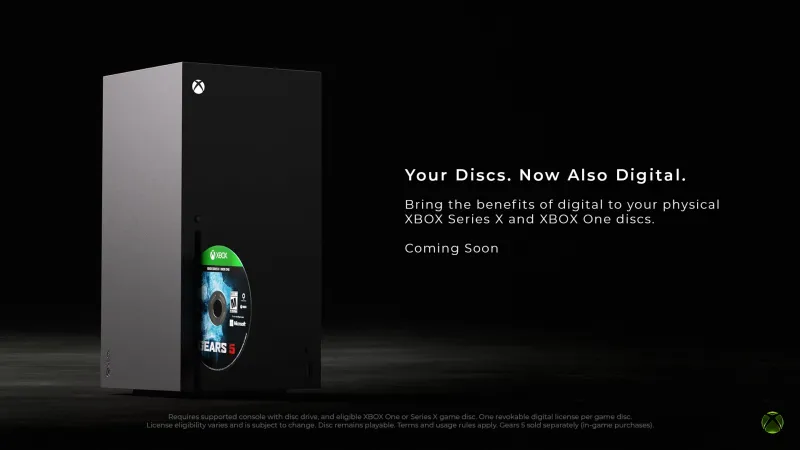
Xbox has officially announced its rumored program that will allow owners of physical Xbox games to use them to claim entitlement to their digital counterparts. This disc-to-digital initiative will become available next week for Xbox Insider members to test out before rolling out to the general public.
“Today we are introducing a feature that brings the benefits of digital to physical discs, giving players more flexibility in how they access and play supported games across the XBOX ecosystem,” reads an Xbox Wire post. “This is part of our broader commitment to game preservation. As technology, devices, and distribution continue to evolve, preserving access to the games people own matters more than ever.”
By inserting a supported Xbox Series X or Xbox One disc game into a console and launching the game, users will automatically claim the digital version. Once claimed, users can experience the perks of the digital version, such as accessing it on multiple platforms using Xbox Play Anywhere and Xbox Cloud Gaming; the physical disc will still work as it always has. This essentially eliminates the need to purchase the same game twice, as has been the case for players who want to own physical and digital copies of the same title. Xbox Insiders will begin testing this feature on August 31.
Xbox states that “thousands” of Xbox Series X and Xbox One titles will initially support this feature, with more games added over time. “While not every title will be available at launch, this is an important step toward a future where players can have greater confidence that the games they buy remain with them for years to come,” says Xbox. It’s unclear when Xbox plans to launch this program to the general public following the Insider testing period.
This disc-to-digital strategy comes as Xbox’s competitor PlayStation has been embroiled in a firestorm of controversy and fan resentment after announcing plans to cease production of physical game discs in 2028. It also potentially serves as a bit of a PR remedy after Xbox initiated massive layoffs (many of which are still incoming) across its studios as part of a restructuring that saw it cut five of its internal development studios loose, the institution of another console price increase this month, among other recent setbacks.
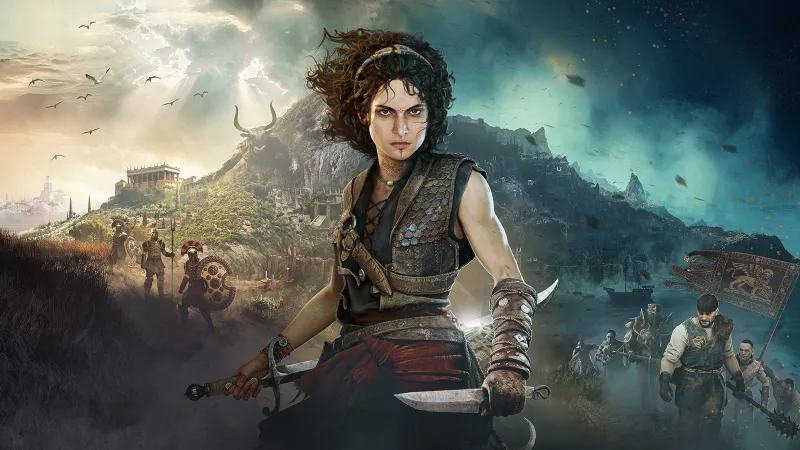
If Resonance’s subtitle, A Plague Tale Legacy, scares you off because you don’t know the larger franchise, fear not. I am living proof that playing the previous two Plague Tale games (which follow different characters and take place after this game) is not required. But as an early compliment to protagonist Sophia’s adventure, I am now a fan and grateful to have an excuse to spend more time in this world. Resonance is not a particularly innovative game, but its well-realized characters, impressive performances, fun-if-simple combat, and rewarding environmental puzzles make for a well-paced and engaging experience that should make Sony raise an eyebrow.
Whether intentionally or coincidentally, Resonance is an impressive cross between Uncharted and God of War, even if it never quite reaches the heights of either. Sophia is a scoundrel of sorts, having grown up in a supportive pirate community after her father was forced to save her from a dangerous childhood situation. A mystical connection draws her to a mysterious island, but it has claimed the lives of many of her peers. I was eager to learn why the island affects Sophia and see the story to its conclusion from the moment the game began.
Sophia is a secondary character in 2022’s A Plague Tale: Requiem, and though I didn’t meet her there, I quickly understood why developer Asobo Studio decided to give her her own game. She is strong, smart, and like many of the pirates in her community, I questioned why she wasn’t already in charge. Sophia’s relationships are established well and quickly, and it makes the stakes of her dangerous adventure appropriately threatening. The performances in the game are also excellent, effective in both the dramatic moments and the quiet conversational ones.
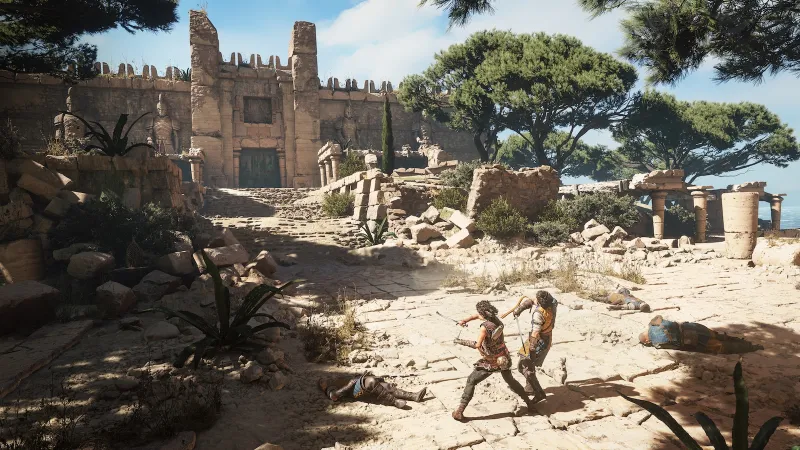
Gameplay alternates between light platforming, stealth, puzzle-solving, and sword combat. No single mechanic stands out as particularly unique or novel, but they are all well-executed genre staples. Combat is a highlight in its simplicity, with no flashy combos, but a very smart health system. Sophia can take three hits, and when she defeats an enemy, she recovers one of those hits. It’s a small twist on the typical health system of a sword action game, but it does a great job of keeping you on your toes. Sophia isn’t a glass cannon, but I felt the perfect amount of stress behind nailing a counter in just about every combat scenario.
Stealth is where I hit the most hurdles in Resonance and sometimes got annoyed, mainly because of how it affected the overall pace rather than frequent failures. The monster you are trying to avoid in these stealth sections (which are backloaded toward the last third of the game) is genuinely scary and not a type of enemy I can recall combating in comparable games. It is perhaps the element of Resonance I will remember most, both in terms of its gameplay machinations and for how it plays into the plot when I reflect on the game in the future.
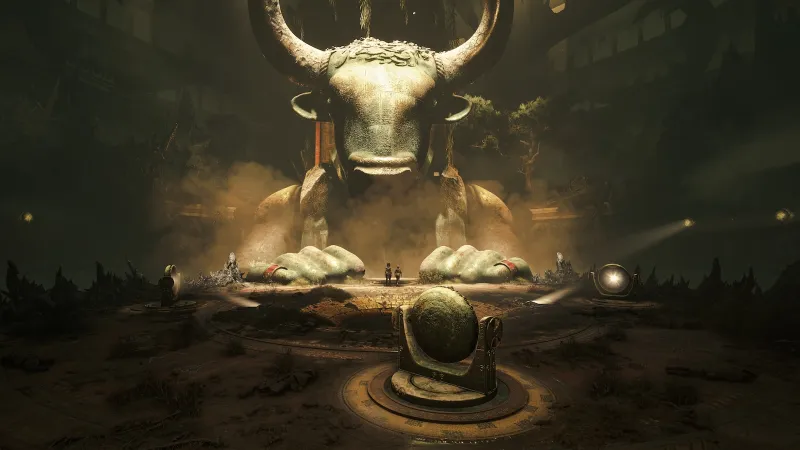
Resonance: A Plague Tale Legacy borrows from many games. There are puzzles with Tomb Raider flavors; like Nathan Drake, Sophia has never known the comfort of a stable platform; and the combat and ties to Greek mythology recall games like God of War. What’s impressive here is how well Asobo Studio executes those familiar genre staples and delivers a moving story starring a charismatic pirate on what may be the most impactful and tragic adventure of her life.
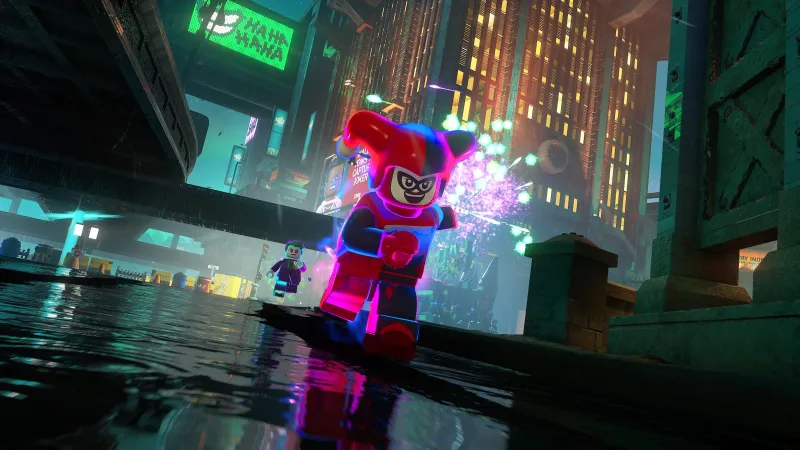
Lego Batman: Legacy of the Dark Knight is one of my favorite games of the year so far, and ever since I rolled credits, I’ve been eager to play the DLC. Announced prior to the game’s launch, we knew it would focus on Harley Quinn and the Joker, and today, WB Games has pulled back the curtain on the new content. The new trailer includes gameplay, new suits for the Bat-family, and a release date: September 18. Check out the video below:
Previous Lego Batman games were known for their large roster of playable characters – especially villains – but Legacy of the Dark Knight shrinks the cast to shine more of a spotlight on each of Batman’s various partners. They all have character-specific gadgets that I always enjoyed discovering, so I’ve been looking forward to these new characters to see what the developers have cooked up.
The Joker and Harley Quinn will get a new exclusive level, where they’ll “orchestrate a breakout from Arkham Asylum with a going-away party Gotham City won’t soon forget,” a press release states. The duo will also appear in Mayhem Mode, which has them rushing through Gotham to destroy landmarks, complete challenges, and fight off members of Task Force X (including Deathstroke, Killer Croc, Captain Boomerang, Deadshot, King Shark, Polka-Dot Man, and Katana). Each run of Mayhem Mode is timed, however, and you’ll have to make it back to the Amusement Mile before the timer runs out and Batman and Robin hunt you down. The seven playable characters in the base game will also all get Joker-inspired suits, with Batman getting to wear the notorious Bat Who Laughs costume.
All of the above is included in Legacy of the Dark Knight’s deluxe edition, which you can upgrade to for $24.99 if you have the base game. On the same day, all versions of the game will receive a free update with the Absolute difficulty, which will surpass Dark Knight as the game’s hardest difficulty. I’m particularly interested in checking this out, because it was one of my main critiques of Legacy of the Dark Knight – even the hardest mode wasn’t very challenging.
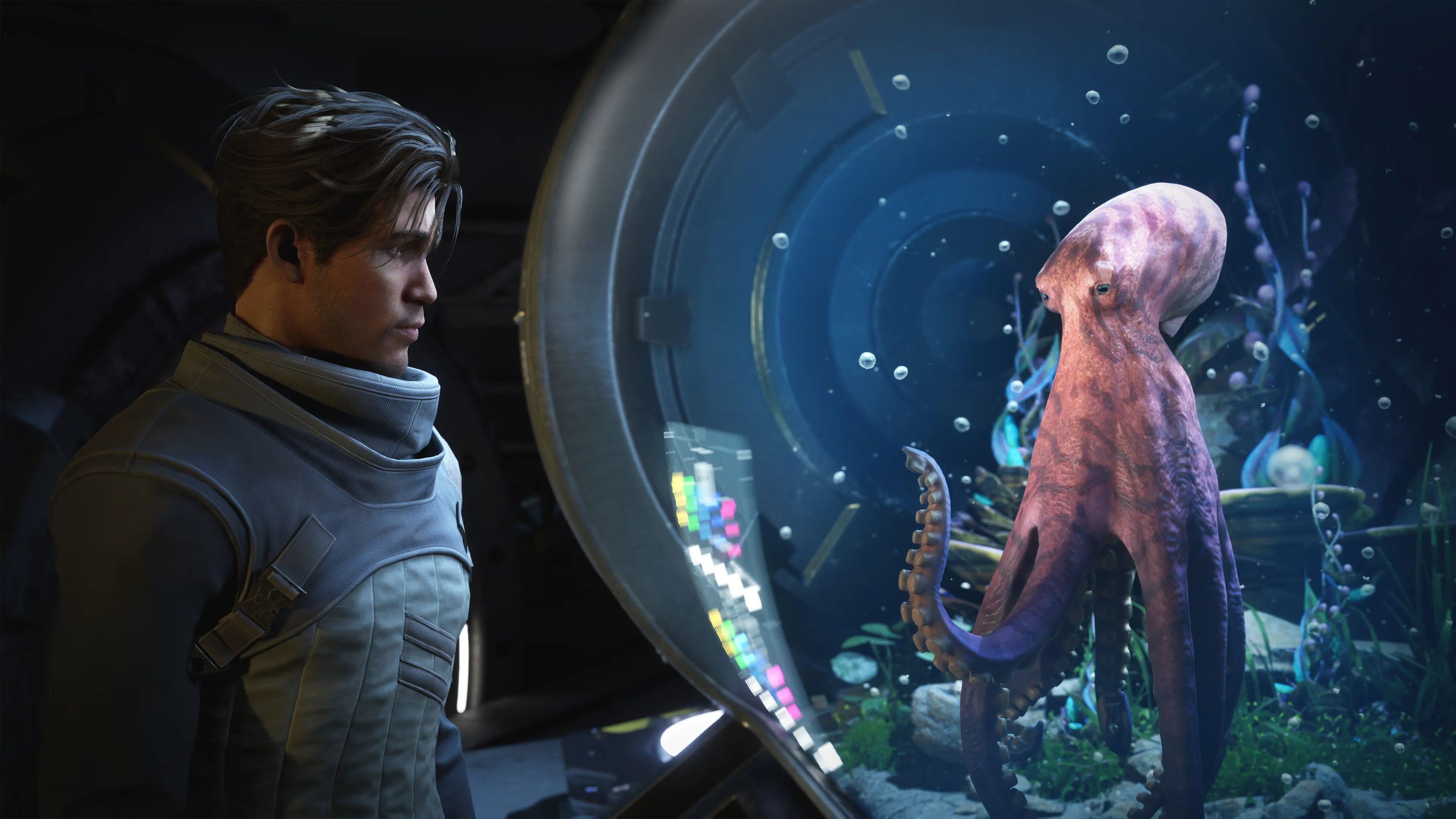
Of all the companions in Exodus, I’m glad that Salt was the one who got the spotlight on the cover of this month’s Game Informer, because I find her to be the most interesting. It’s not only because Salt is an octopus who pilots a mech suit, while most other companions are humans, but I’d be lying if I said that wasn’t a big draw. That said, while the octopus of it all is the first thing you notice about Salt, she’s got a lot going on underneath the surface, which I got a glimpse of in our exclusive cover story demo.
Salt isn’t just an octopus – she’s one of the Awakened, a word for sentient animals in the world of Exodus. They’re larger and smarter than other animals, and thanks to translator chips on their heads, they can communicate with humans and live in society alongside them. Salt is originally from an aquatic world, as we saw in the most recent Exodus trailer that aired at Gamescom. Unfortunately, that’s a home she can never return to.
“Salt is a visitor to your world and has business back home, but time dilation is a big part of our game and our IP, and it affects the stories and characters in very profound ways,” Exodus narrative director Drew Karpyshyn told me. I spoke to him during our cover story trip to Archetype Entertainment, and it was clear he didn’t want to spoil too much of Salt’s backstory.
“Even though Salt hasn’t aged very much, it’s been decades since Salt has been back to her home world,” Karpyshyn continued. “So when she eventually does plan to go back, she knows things will be very different. So, she’s trying to deal with all that as she’s also trying to help you on your missions and, you know, form a partnership with you to get what she needs from the relationship while also helping you get what you need.”
Jun Aslan, Exodus’ protagonist, first meets Salt in a mission I got to play at Archetype, which has you infiltrate the Traveler Launch Center to reclaim some lost technology. Jun and their squad need some extra muscle, so they hire Salt, an infamous bounty hunter. While she might eventually stick around for personal reasons, it’s clear from the start that she’s in it for the money.
Before heading into the mission, our ally Tom says, “We got your back, Jun.” Then, he turns to Salt and says, “You too, Salt.”
“Not necessary,” Salt replies. “If you die, I leave. Contract void.”
As I play through the mission, I enjoy the contrast of Salt’s character. She’s serious and focused, but at the end of the day, she is also still an octopus piloting a robot. It would be easy to reduce her to a goofy voice and jokes about having eight arms, but instead, she’s a no-nonsense mercenary. The jokes she does make are witty and, ironically, pretty dry.
“One of the interesting things with Salt is your first impression is, ‘This is sort of ridiculous. It’s an awakened octopus in this giant mech suit walking around,'” game director Chris King said on our cover story trip. “But I think part of what makes Salt win you over is there’s sort of that quirkiness, and she’s kind of got a sharp tongue, and she’s joking all the time.”
For what it’s worth, Salt’s appearance also surprises Jun. He’s spent a lot of time with Awakened animals – he has a wolf named Houston as an (obviously adoptive) brother – but he’s much more used to them breathing air and walking on their own two legs.
When she’s not in her suit, Salt lives in an aquarium tank.
“[An] octopus is a little more rare, because they typically won’t be on land,” Karpyshyn said. “Salt has her giant mech suit, which allows her to sort of operate on land without having to, you know, go back to a tank every so often. […] Then also, again, Salt has forged this reputation, even before you team up with her, as one of the most ruthless and deadly mercenaries on the planet. So in that regard, she’s also quite unique.”
Her combat prowess is largely thanks to her custom mech suit. The armor is customized specifically for octopi, Karpyshyn told me, based on the human version of the suit worn by characters like Elise, another companion. Salt’s suit adds tentacle arms and a water tank, but retains the bipedal lower half. “It has to operate in a world that is, even with Awakened animals, still mostly dominated by humans,” Karpyshyn says. “So the mech suits are more effective if they’re more bipedal in nature.”
That said, the tentacle arms seem like a must-have for Salt. She uses hers for all sorts of problem-solving, like one sequence where she uses them as makeshift roller chains to rotate the gears on a broken elevator. As I fight alongside her, she constantly remarks on the inefficiency of my human limbs. At one point, Jun uses his Celestial gauntlet to craft a giant hand as a bridge, and Salt just says, “Shape… Human hand. Inferior choice.” Jun promises to make a tentacle next time.
Thinking about the earliest designs for Salt, King said, “I may be showing my age, but when we went through some of the concepts of how this would work, there’s a character from Teenage Mutant Ninja Turtles… I believe his name is [Krang].” Looking the character up later, I saw the resemblance. Krang is a large brain, maybe the size of a basketball, with tentacle arms who pilots a humanoid robot body. “That was kind of the thing that kicked off the inspiration originally,” King concluded.
Firstly, I admit my headline is hyperbolic. Best and worst are subjective and neither word is fully applicable when it comes to Elden Ring on Switch 2. The wordier, more accurate headline that would not inspire the precious clicks that we need to survive in this media hellscape landscape is, “Elden Ring is Okay on Switch 2, so if you can play it somewhere else I would recommend that, but if this is your only option and you haven’t already played it somewhere else, then this version will get the job done.”
[VIDEO]
I played about two hours of Elden Ring on Switch 2 in docked mode. Moving through the tutorial in the caves feels pretty good. It does not hit 60 FPS, unfortunately, but it is consistent, which is important. Leaving the caves and entering the open world is where the game stumbles, but not dangerously so.
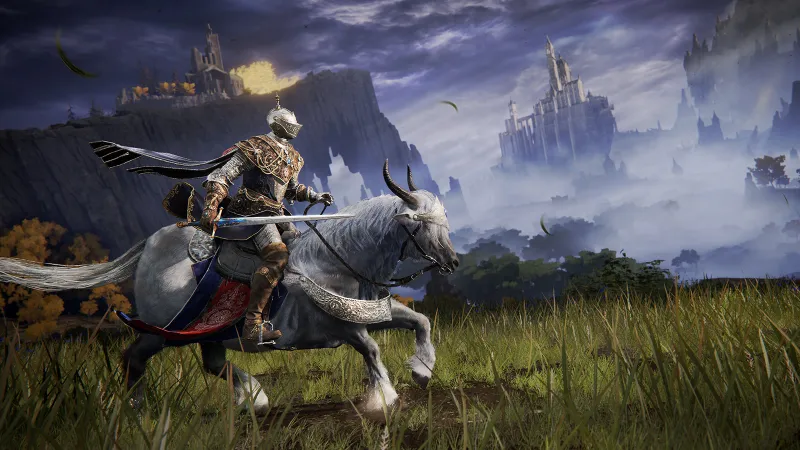
Swinging the camera around quickly in the open world is uncomfortable and jumping on your horse, Torrent, is where I felt the game struggle the most. But it’s not a disaster. And to be fair, wildly swinging the camera around in the open world is not how anyone plays Elden Ring. Jumping into the little pockets of combat strewn across the open world was more than manageable, as you are focusing the camera on your enemy, not the insane looking castle in the distance.
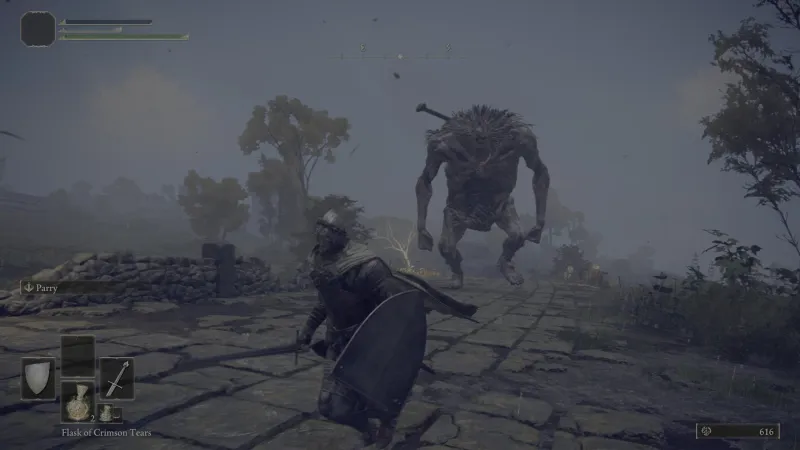
When I encountered monsters like the lovely fella seen above, the game also did not struggle as I feared it would.
Playing Elden Ring on Switch 2 made me think of Resident Evil 2 on Nintendo 64, which was personally my first experience with the franchise. The N64 version of that game had some improvements compared to its PlayStation counterpart, but its cutscenes and backgrounds were highly compressed to fit on a cartridge instead of a disc. It is generally considered the inferior version of the game, but is a perfectly reasonable way to play the game and when I was young, it was my only option.
If you’re in that boat, maybe a young or new player who only has a Switch 2 and no other available platforms, and you’re excited to play what some have called the best game ever made (again… subjective), then Elden Ring on Switch 2 will get the job done. I believe you will get the Elden Ring experience here, but with some asterisks. This is not a Switch 1 port of a PlayStation 5 game where the framerate is merely a suggestion and everything looks out of focus. Elden Ring on Switch 2 is a much better port than say, The Outer Worlds on Switch 1.
However, if you’re like me and you put hundreds of hours into the game on Xbox Series X/S, PlayStation 5, or a solid PC, then you will see those asterisks the moment you load the game on Switch 2. You have a point of comparison and you won’t be able to get all those beautiful additional frames those platforms afforded you.
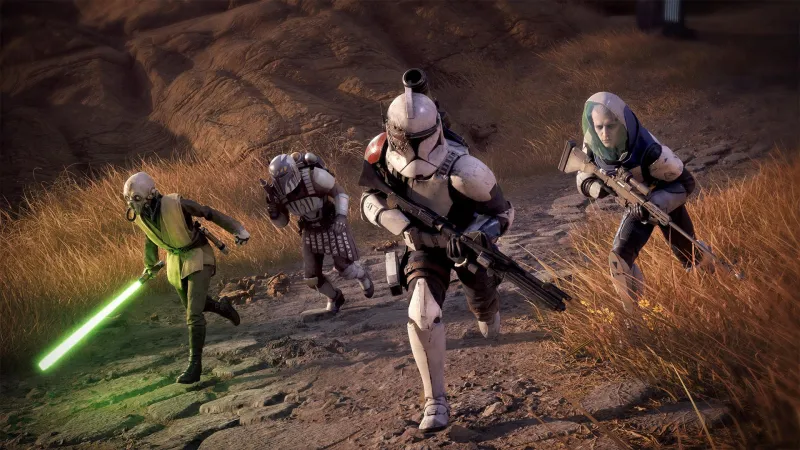
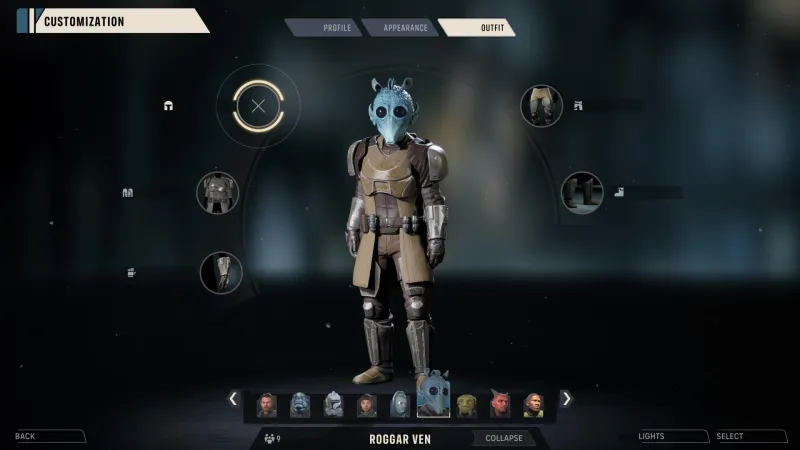
Sometimes you play a game where its inspirations are never in question. Rarely has that been more evident in recent memory than with Star Wars Zero Company from Bit Reactor, a studio founded by former XCOM developers. While it’s more than just an XCOM-like tactics game with Star Wars stylings, the description still holds up under scrutiny – with the excellent tactical gameplay and resource management buoying what is otherwise just a competent if unremarkable story and characters.
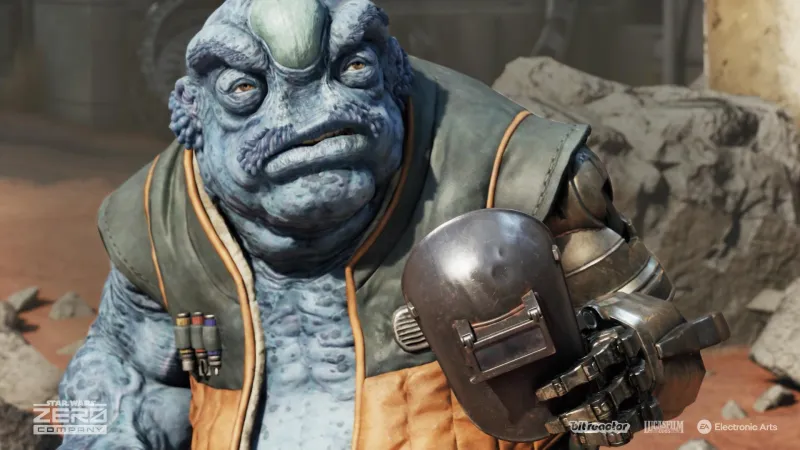
Zero Company refers to the game’s titular mercenary group, headed under Hawks, a former Galactic Republic military captain who left the military life after a mission gone wrong. Scraping to make ends meet during the Clone Wars, Republican Intelligence officer Bennic Halloren taps him and his team for their expertise to investigate a cult encroaching across the galaxy known as The Coil. It’s the type of story where you’ll get more out of this the more you’ve engaged with the franchise outside of the main movies, but probably won’t mean much of anything on its own. References to characters from the broader Star Wars universe are nice, but they’re the only real bright spot on an otherwise whelming story that ultimately detracts more from the game than it adds.
The gameplay loop is simple: every cycle you’re thrown back to your main hub, The Den, and can spend your resources before choosing a mission. Credits and Capacitors can be spent to research permanent upgrades for Zero Company. You can also spend credits to purchase equipment for your units, Den improvements, and as rewards for expanding your influence across the galaxy. Intel is spent on operations and is gained by completing missions. Both grant rewards, including Influence in the zone they take place in. There’s a satisfying balance with the micromanagement here, especially when it comes to tackling The Coil. Occasionally you’ll be forced to choose which of two unit upgrades you want to sabotage through a menu-based choice system. You have to improvise with the knowledge that the enemies are getting stronger, alongside your team. It scratches the same itch that XCOM always has, and if that’s what you’re looking for in a tactics game, it’s very satisfying.
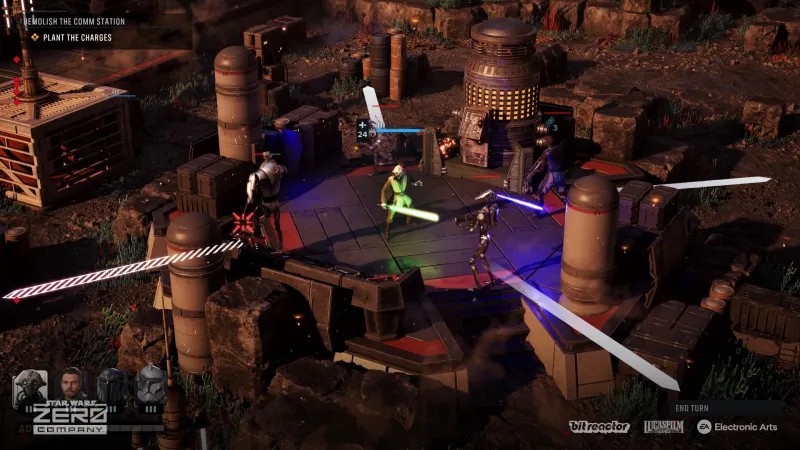
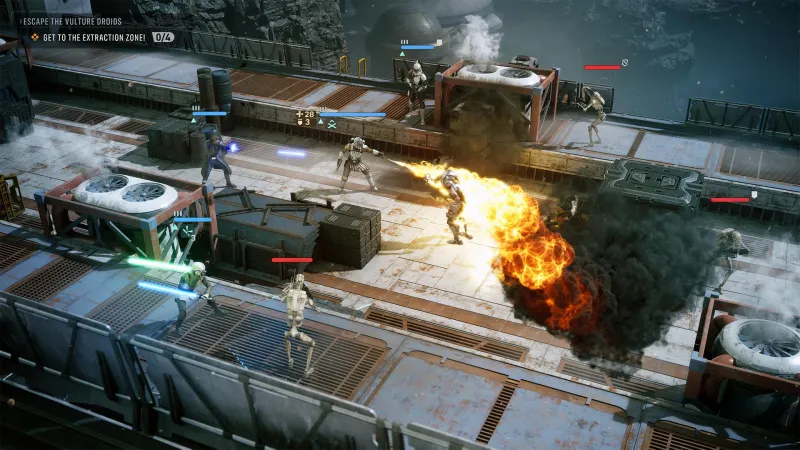
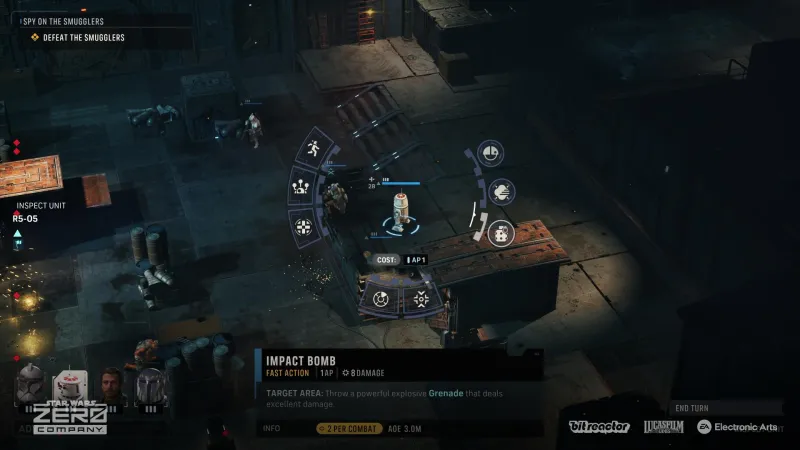
Speaking of XCOM, if you’re familiar with the two most recent games from that series, you already have a good idea of how Zero Company’s missions play. Each turn, your units have access to three action points (AP), which can be used to move or use actions; using different weapons cost different amounts of AP, and while some skills require AP as well, others require advantage, usually earned for successfully attacking enemies. Much like with XCOM, your goal is to seek cover and find a vantage point that plays to an operator’s strengths; each comes with their own specification which determines their passive and active skills. Eventually, players unlock the ability for a second specification, too. This leads to some devious combinations, such as a sniper that can mark enemies they’ll assist against, or using a scout to scan a group of enemies for advantage, before sending a rocket their way.
Growing and improving your operators is well enough on its own, but it wouldn’t be very satisfying if the game didn’t have strong map and mission design to back it up. Thankfully, it does; one standout mission had me dealing with enemy units, while at the same time fleeing towards an extraction point. Every turn, more and more of the map behind me became a death zone. Another mission had two different enemy factions taking pot shots at each other, with Zero Company in the crossfire; play smart, and you only have half the work to do.
Developer Bit Reactor largely succeeds at what it sets out to do, and if you’re a fan of either Star Wars or XCOM it’s an easy recommendation, even if I wish the story had just a bit more juice. If you’re looking for a sci-fi tactics fix, Zero Company delivers the goods.