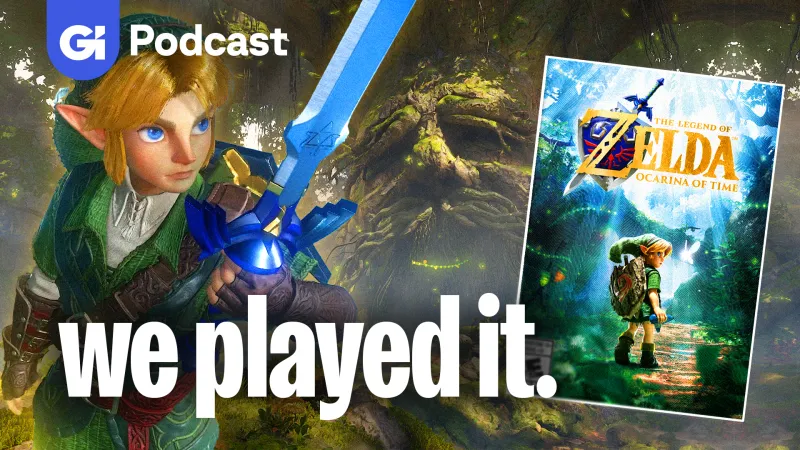
It’s a new week on The Game Informer Show, and we’ve got a ton of games to get into! First, Brian is here to report back on his hands-on impressions of The Legend of Zelda: Ocarina of Time remake.
After the break, Charles and Wes hop on to discuss their reviews of Castlevania: Belmont’s Curse and Valor Mortis, and we also briefly get into Dressmaker and the new Lego Batman DLC before answering some listener questions.
The Game Informer Show is a weekly podcast covering the video game industry. Join us every Friday for chats about video game reviews, news, and exclusive reveals alongside Game Informer staff and special guests from around the industry. Support the show by subscribing to our physical video game magazine!
Welcome to spooky month where lawns suddenly grow giant skeletons, it’s cold enough for a hoodie, the remakes of Resident Evil 2, 3, and 4 released on Switch 2, and we’re all prepping to hunker down for Winter. And Grand Theft Auto VI.
We’re still in the thick of new release season which, fun fact, used to just be the month of November. But now it starts in August and ends in March, give or take a few weeks.
Before we get to our regularly scheduled weekend recommendations, though, here are some of the biggest Game Informer stories of the week.
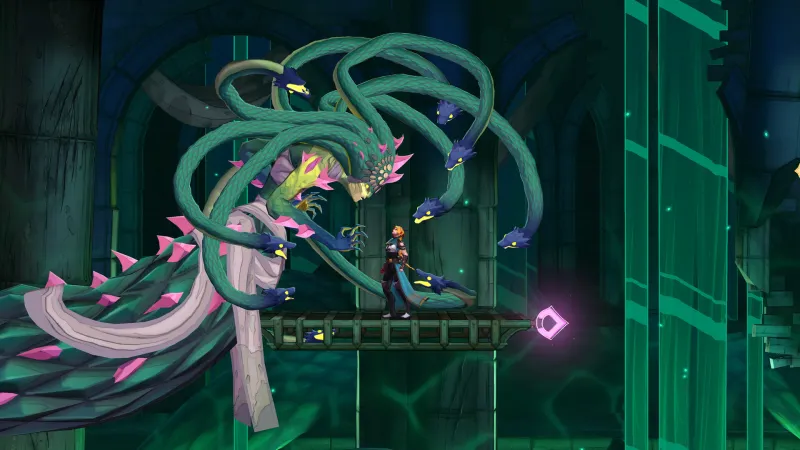
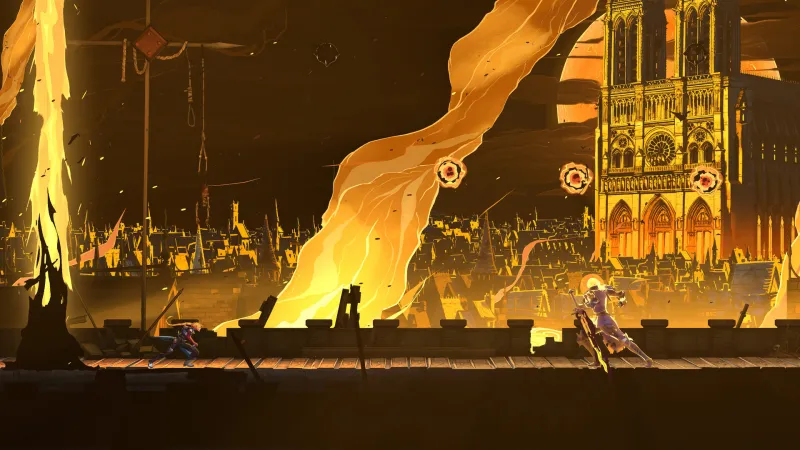
It has been a long wait for a brand new Castlevania game, and frankly, I think Belmont’s Curse has been worth the time spent in the queue. Charles Harte agrees, as he wrote in his review, “Belmont’s Curse is a strong reminder of why the Castlevania series is so influential, with a rich world, tense combat, and a map chock-full of secrets. While this latest entry certainly pays homage to the Castlevanias of yore, it also breathes fresh life into the franchise, making me excited for its future. Castlevania is back, and between Rose Belmont and Evil Empire, it’s in great hands.”
The game comes from the team behind Dead Cells, a game heavily influenced by Castlevania to begin with, and the result shows how great a fit the team and franchise is. Controlling Rose Belmont feels great, the world is big and fun to explore without being overbearing, and beating each boss is a rewarding challenge. I often feel one mark of a good game for me is if it keeps me up past my bedtime, and Belmont’s Curse is, unfortunately, doing a great job of making me feel tired all day. But that’s a good thing.
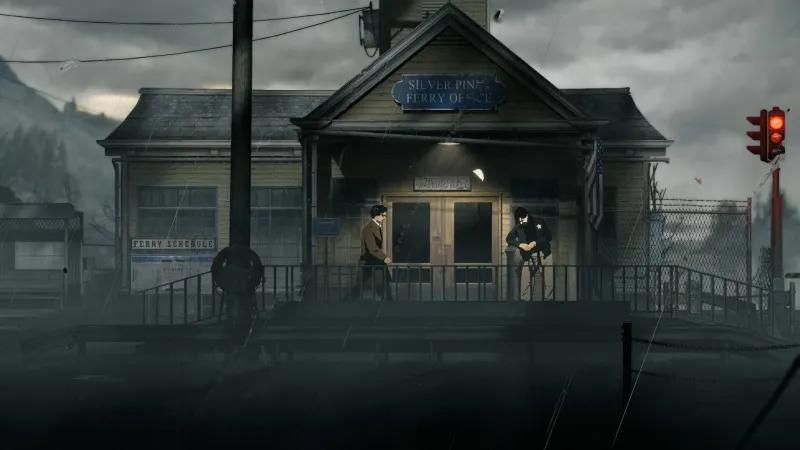
Silver Pines
Kyle Hilliard
The short pitch for Silver Pines is that it is a Metroid-inspired game crossed with a Silent Hill game. That’s a good hook on its own, but what makes it stand out (at least in the limited time I have so far spent with it), is its animation. I don’t know that it was actually rotoscoped (think the original 1989 Prince of Persia), but it feels like it was, which makes it look great and lends it an intentional level of uncanny valley that aids the creepy atmosphere. Throw in a dash of Twin Peaks energy, and you end up with something that feels unique against a sea of comparable (but often well-designed) Metroid-inspired games.
Just Dance: Decades Of Hits
Kyle Hilliard
Just Dance is an frequent tradition in my household. We don’t play it every year, but I was eager to check out Decades of Hits because of its included soundtrack. Just Dance generally leans on contemporary music and as a dad facing down his forties (who is still very cool, right? Right?!) I appreciate the chance to learn about recent pop hits and make a fool of myself in front of my family, but I like how musically diverse this entry is.
You have Sabrina Carpenter, Chappell Roan, and Olivia Rodrigo songs (which I adore), but you also get ABBA, Spice Girls, No Doubt, Daft Punk, Britney Spears, Sum 41, TLC, Gorillaz, Run DMC, Billy Joel, and Elton John among many others.
Also, in recent years, Just Dance has started its own tradition of including at least one shockingly impressive stop-motion animated sequence. I am not sure what executive at Ubisoft is accidentally approving the budget for the continued creation of these types of videos, but I hope they never notice because they’re great.
The Jackbox Party Pack 12
Kyle Hilliard
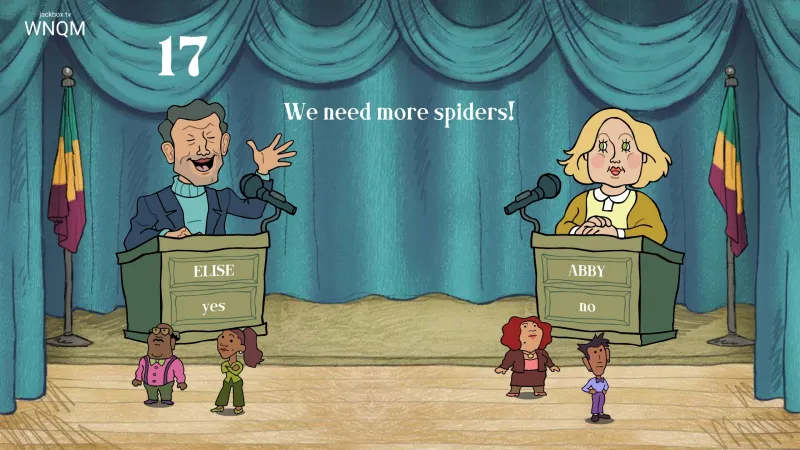
You really can’t go wrong with any Jackbox game. Sure, there are some occasional duds in the packages, but there are always at least one or two super fun games that are always worth returning to. 12 is out this week and includes a game about sorting trivia questions into the right categories at high speed, one where you try to make the most ridiculous greeting card, a game encouraging silly debates, one that identifies connections among everyone playing, and finally Hyperface, where you manipulate selfies.
Maestro On Switch 2
Matt Miller
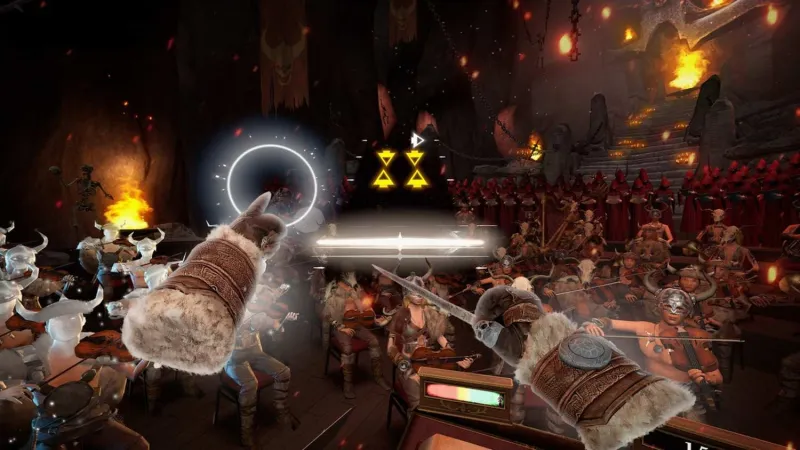
After an earlier release on VR platforms, the rhythm game Maestro recently made its way onto Switch and Switch 2, including a physical game cartridge launch. If you’ve always secretly loved the idea of stepping up onto the podium for a try at the conductor’s gig, it’s one worth tracking down. The game includes a number of classical hits from the likes of Beethoven, Vivaldi, and Tchaikovsky, but there’s also the chance to play more contemporary tracks like those you’d hear in Star Wars or Game of Thrones. With Joy-Cons in hand, you’ll keep the tempo, cue in musicians, adjust dynamics, and more. The accompanying visuals and “storytelling” aren’t going to blow your mind, but the included music is hard to beat, and with occasional exceptions where the game misread my motions, I found the motion-tracking mostly up to the task of nailing the fantasy.
Toy Story: Retro Roundup / Toy Story 3 Complete Edition
Brian Shea
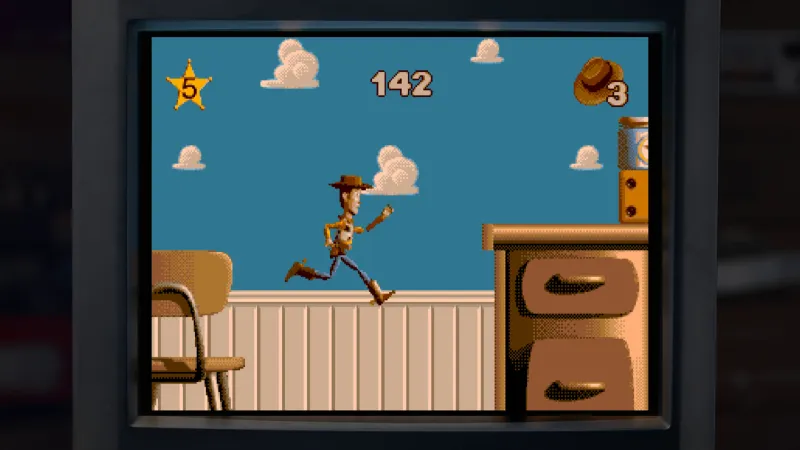
If you spent hours playing the early Toy Story games, then the retro compilation masters at Digital Eclipse have something for you in the form of Toy Story: Retro Roundup. On top of Toy Story, Toy Story 2: Buzz Lightyear to the Rescue, Toy Story 2, Buzz Lightyear of Star Command, and Toy Story Racer (including multiple versions of many of these), you can also get your hands on the 1998 A Bug’s Life game. It may not have the breadth of extra content of something like Digital Eclipse’s Atari 50 or Tetris Forever, but it’s a fun stroll down memory lane with some behind-the-scenes interviews and materials. Alongside this retro collection, there’s also the separate Toy Story 3 Complete Edition, also released by Digital Eclipse this week.
Kingdom Hearts Collection [I~III]
Wesley LeBlanc
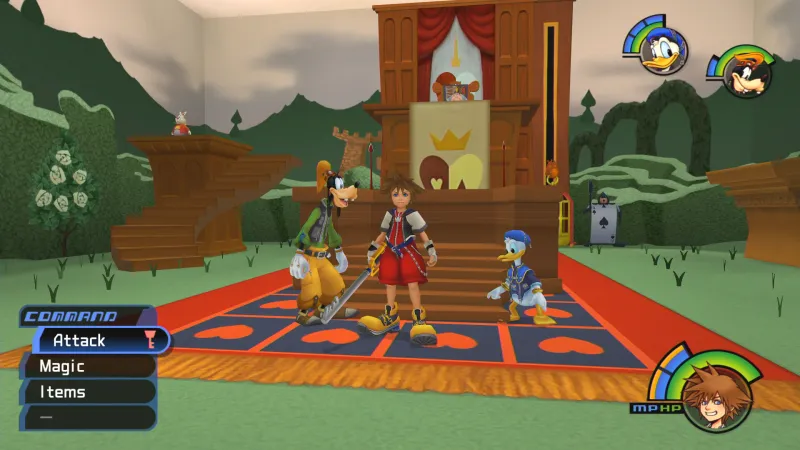
Kingdom Hearts Collection [I~III] – yes, that’s really what it’s called – is out on Nintendo Switch 2, and after spending some time with it, man, it feels right at home on the console. This collection includes Kingdom Hearts HD 1.5 +2.5 ReMix (which itself includes a bunch of Kingdom Hearts games, including 1 and 2), Kingdom Hearts HD 2.8 Final Chapter Prologue, and Kingdom Hearts III + Re Mind DLC. Basically, it has everything you need to catch up on the Kingdom Hearts saga before Kingdom Hearts IV launches next year.
As for actually playing these games, they feel amazing on Switch 2, courtesy of HD resolutions, on handheld and docked, and 60 FPS gameplay. I don’t know why exactly, but playing the Kingdom Hearts series on Switch 2 just feels right. It probably has something to do with just how many of these games were Nintendo console originals. Nonetheless, if you’re new to Kingdom Hearts or looking for a new place to tear up while “Dearly Beloved” plays, this Switch 2 collection will satisfy your needs.
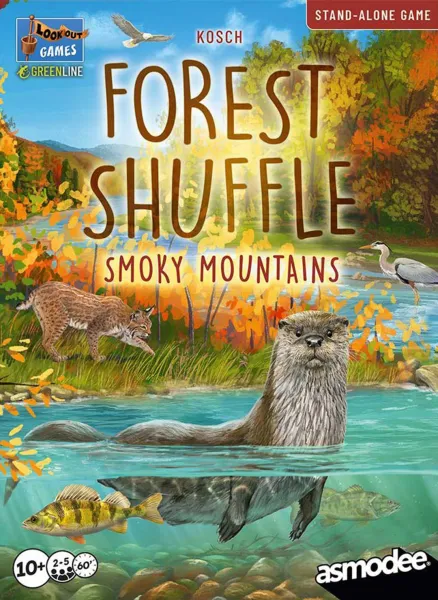
Tabletop Pick – Forest Shuffle: Smoky Mountains
Matt Miller
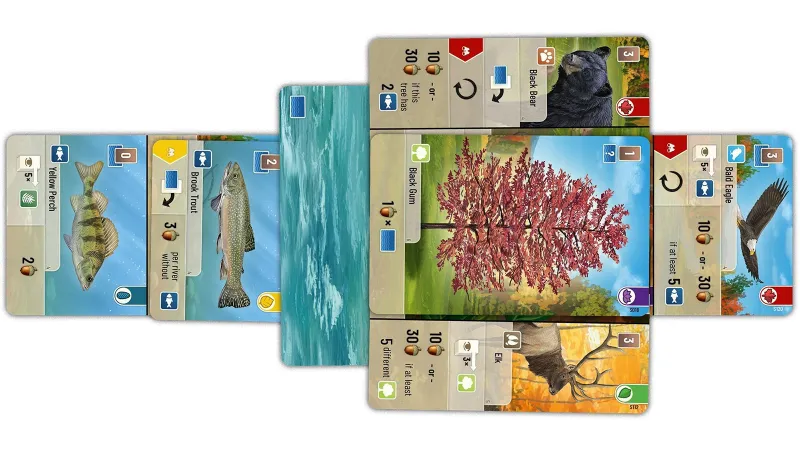
This new standalone version of Forest Shuffle does more than transplant the theming into the Smoky Mountains of North America. It has also allowed its creators to refine balance, add new elements (like an intriguing new water/river terrain), create a more vibrant and visually beautiful presentation, and overall, up the value and playability of the game across the board. In short, it’s what I think is the best version of an already very good game.
For newcomers, the Forest Shuffle formula is a card game that involves a mix of card hand management and tableau-building, as you slowly play out a forest scene onto the table, filled with unique trees, animals, and plants, and gathering points for the types and variety of things living in your woods. It’s an approachable and visually enchanting game that still offers plenty of strategic depth as you plan out the shape and potential of your nature scene, all while planning against the impending arrival of winter.
Yakuza/Like a Dragon developer Ryu Ga Gotoku Studios is releasing its quasi-prequel game, Stranger Than Heaven, in January, and ahead of its release, the team has been pulling back the curtain on protagonist Makoto Daito’s decades-spanning adventure through Japan. A new story trailer RGG released today shows Makoto arriving in Japan and seemingly learning to rap, courtesy of Snoop Dogg’s Orpheus.
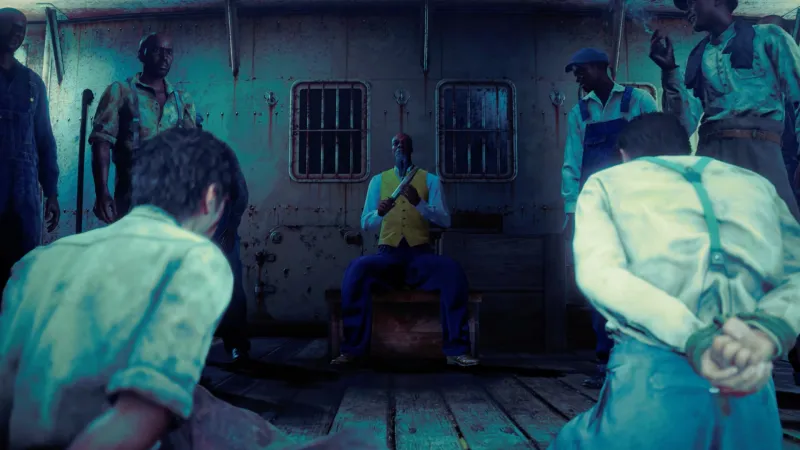
Titled “Act 1: Kokura Story Trailer,” this new Stranger Than Heaven teases how Makoto traveled to Japan to learn English and work before deciding he wants to go to Japan. He ends up on a large ship and begs Orpheus to take him to Japan. And so, Makoto’s first stop in the country is Kokura, Fukuoka Prefecture, in 1915. Stranger Than Heaven spans multiple decades across its 50-year story, taking Makoto to Kure, Minami, Atami, and finally Shinjuku.
Check out the latest Stranger Than Heaven story for yourself below:
Stranger Than Heaven launches January 15 on PlayStation 5, Xbox Series X/S, and PC.
Eternal Anima is the time-twisting RPG revealed during the big September Nintendo Direct that looked like a Square Enix HD-2D game but isn’t. It is also the game with the “Never Strive For A Better Tomorrow” splash screen. After playing the game for roughly an hour within developer Marvelous Inc.’s Tokyo office, I eschew that line – I will, in fact, strive for a better tomorrow, if only so I can play more Eternal Anima one day.
The world has essentially come to its final act in Eternal Anima. Urvis Ael is the last remaining bastion of civilization in a flooded world. That said, living in Urvis Ael isn’t all that bad; just don’t strive for a better tomorrow or really any kind of change. Protagonist Wade breaks those rules and sets out on an adventure, feeling deep down that a better life is possible.
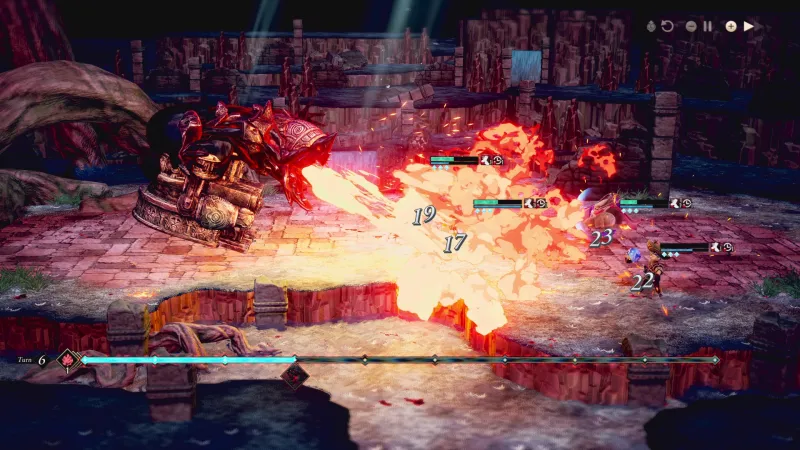
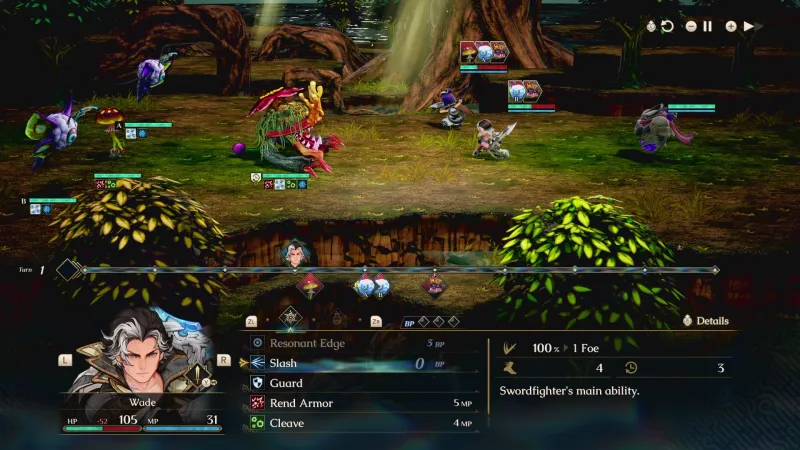
Wade is bestowed with the power of Psychometry, which lets him look into the past, view memories, and inherit abilities and classes for use in combat. My hands-on time with Eternal Anima is mostly focused on combat, and for good reason: it rules. It is turn-based combat, but with a time-turning twist. Wade also has the power of Future Sight, which means he already knows exactly what every enemy will do each turn, reflected in the UI. Every ability has an action speed shown on the timeline at the bottom of the screen. You can always see an enemy’s upcoming action, who they will target, and even the outcome.
Combat in Eternal Anima is less about hitting enemies harder and more about hitting them smarter. When you attack an enemy’s weaknesses with Wade or other party members, you knock them back on the battle timeline, pushing their predecided actions back in the move queue. Your goal is to push them back enough that you kill them before they can attack, or, for bigger enemies, knock them off the timeline in what’s known as a Break. This cancels their action, opening up your party for another round of attacks.
The battle system doesn’t feel as active as a standard turn-based RPG; instead, it makes you feel more like a god playing with action figures. You decide what happens, then sit back and watch it all unfold.
Everything is depicted in a beautiful, bokeh-enhanced art style that’s unique to Eternal Anima, despite the initial HD-2D impression. I love how the world and enemies look, which makes it even more disappointing that the characters are rendered as chibi. It doesn’t gel with the game’s painterly visuals and clashes with its heavier thematic tones.
As I explore Eternal Anima’s miniature settings, which resemble closed-off dioramas placed carefully on a larger world map, I take part in fishing minigames, collect items, defeat enemies, and encounter NPCs from the past, like Fletcher. After I interact with a glowing sword on the ground, an animated flashback plays, detailing Fletcher’s story and ending with a notification that I received a bow from his past.
As I continue through this world, some two centuries before my time, I encounter a man from this period who’s trying to save his forest hometown from flooding. Of course, I already know this will happen in my timeline because the entire world is flooded, but Wade suspects that if he can convince this person of the looming threat, he can change the present by altering the past. My demo ends shortly after, but now, a month removed from the preview, I’m still thinking about Eternal Anima, specifically its combat.
A lot of turn-based combat makes you feel powerful. But Eternal Anima’s makes you feel like a genius, and that’s smart and novel. I’m left striving for March now.
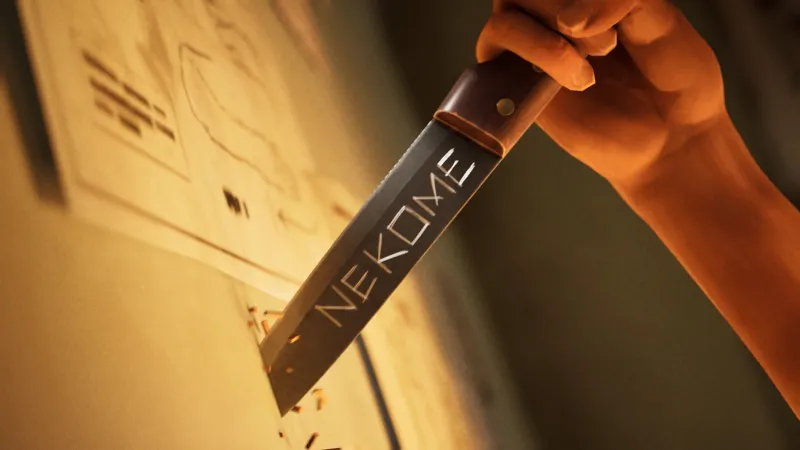
I’ve been tracking Nekome: Nazi Hunter here at Game Informer since its reveal earlier this year. I finally went hands-on with it during Gamescom 2026 and relished just how disrespectfully brutal it is to Nazis. You will soon get the chance to experience that brutality yourself because developer ProbablyMonsters is releasing a demo on Steam soon on October 19, and it will be available through October 26.
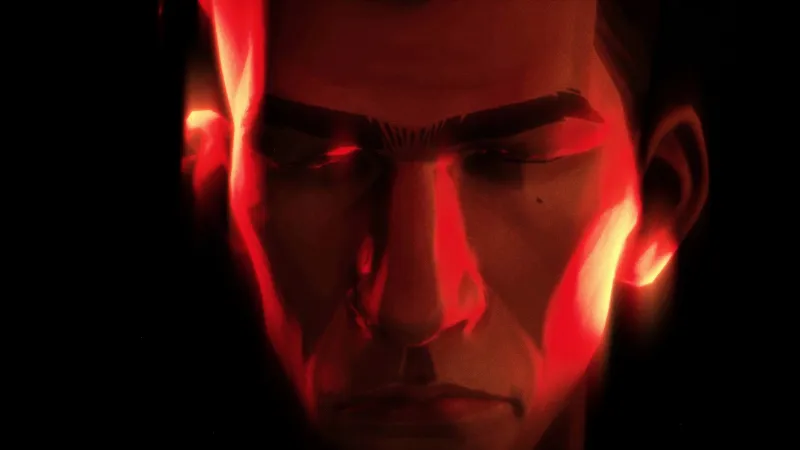
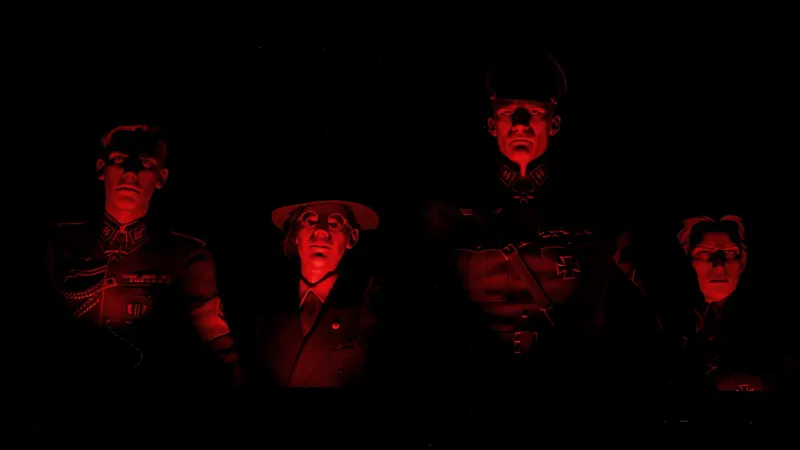
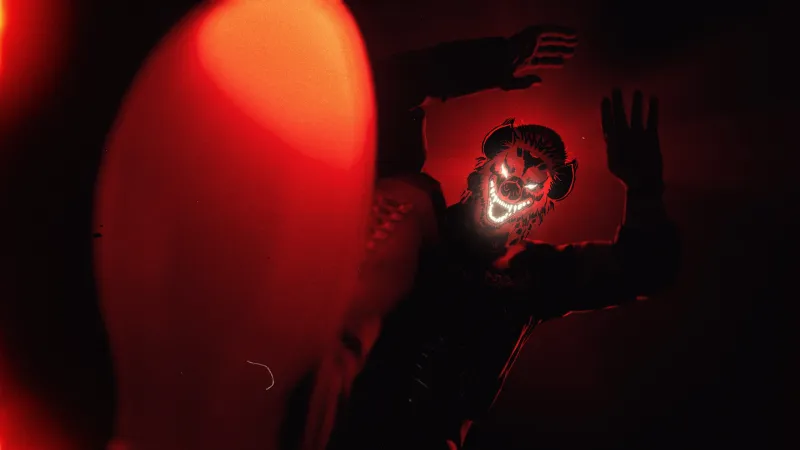
Ahead of that demo launch, ProbablyMonsters also released a new trailer highlighting the game’s narrative and villainous Hyena troupe of Nazi leaders as part of today’s Galaxies Autumn Showcase. These Hyenas are at the center of protagonist Vano’s Nazi hunting, and they are a notorious squad of Nazi agents whose extreme brand of cruelty made them feared across occupied Europe and the world, according to a press release. Players will control Vano as he kills countless Nazis in violent and bloody ways while tracking down each of the Hyenas (who he will presumably also kill violently and bloodily).
Check it out in the latest Nekome: Nazi Hunter trailer for yourself below:
Game Informer also spoke to Nekome: Nazi Hunter game director Jeronimo Barrera about the game in the lead-up to this trailer and the incoming Steam Next Fest demo. In the interview, which took place over email, Barrera talks about the game’s politics (or lack thereof), the Hyenas, visual inspiration, and more:
Game Informer’s Wesley LeBlanc: How did the team decide on the Hyenas as the antagonists/villains of the game, rather than say, the obvious choice of Hitler?
Barrera: As we developed the narrative, we had already committed to pursuing the grindhouse aesthetic that would drive the presentation. We needed a disgusting set of villains that would be fun to hunt down and murder. Although we are rooted in real-world events, the player fantasy we are after is to hunt down and murder as many Nazis, both big and small, and that needs to deliver over-the-top fun.
Can you tell me about the Hyenas? What are their differences from a narrative perspective, and what are their differences from a gameplay perspective? Does each Hyena approach the hunt for Vano in different ways?
We introduce the Hyenas almost immediately in the narrative. After that, the player won’t be confused as to why they need to hunt them down, not the other way around! Vano hunts them down, and each Hyena boss fight is a unique challenge that pushes the players’ abilities.
It sounds like Vano will be hunted across occupied Europe and beyond? What can you tell me about that beyond?
Our research into how we can tell a new story and give a new experience has given us a lot of surprising locations to explore. For example, we were shocked when we realized that we could have our first encounters with Nazis on U.S. soil! Vano’s adopted home is New York City. It’s hard to believe, but there were Nazi Party rallies in New York. This is where Vano starts his hunt through a tragic coincidence, which then takes Vano to Europe. But he’s not being hunted; he is the hunter.
Is there anything larger than life or supernatural or demonic happening narratively, or is it Vano versus some Nazis that are led by the Hyenas? I ask because scenes in this new trailer almost imply some monstrous transformation, or maybe even something vampiric, as blood drips from the Hyenas’ faces (though I recognize that could just be a style choice).
The Nazis were hideous monsters. We play on those themes for our abilities and how we present them to the player. There are themes we explore that could be considered metaphysical. But with that said, it’s up for people to interpret the narrative on their own.
How would you describe the art style/visual design of the game?
Our biggest inspiration came from the grindhouse film genre. Turning the stylized pulpiness and violence of movies like Inglourious Basterds into a video game was a challenge that the team was excited to tackle, and we believe this grindhouse spirit gives our game a distinct visual style.
Graphic novels were another major influence. Our goal with the art style was to create something over the top and entertaining, while respecting the serious subject matter. The game would lose its sense of fun if it looked too real, and graphic novels helped us find a look that is visually interesting yet able to handle the story’s darkness and violence.
How long has the team been working on the game?
The team began working on the game in 2024. The genesis of the game was a meeting inside ProbablyMonsters where we started quoting Inglourious Basterds, and we all became set on the idea of making a game about hunting down and killing Nazis through an untold Second World War story.
How big is the team?
Nekome: Nazi Hunter’s development is led internally at ProbablyMonsters by Brett Bourbin, Brand Inman, Sergei Kuprejanov, Kay Willis and me, with assistance from co-development partners.
What has it been like working on a smaller title like this and what does your AAA experience bring to the project?
Going from concept to the player’s hands in 18 months is an epic lift that’s only possible with amazing devs that bring extraordinary experience and expertise. The AAA sensibilities run deep at ProbablyMonsters; there are some legends in our house. What makes us different is that our independent approach allows us to tell unique stories and make experiences like Nekome that would have a hard time getting to market.
After Gamescom, ButWhyTho? published a story about how Willis said the game isn’t political, and it caused a lot of discussion/backlash about the game. I wanted to see if the team had any follow-up on the idea that Nekome isn’t political now that some time has passed. At least from my perspective, all art is political; not to mention, making a game where you’re very much visibly and graphically killing and mutilating Nazis is sending a very clear message, especially in 2026 when we have people proudly stating they are a Nazi today. But that’s just my line of thinking – I’m curious where the team lands on this discussion now that some additional time has passed.
I think we’re overcomplicating this. Nazis are bad. That shouldn’t be a political statement, just common sense. Nekome is a revenge story about people who suffered horrific atrocities at the hands of Nazis. We’re not making a statement about modern politics. We’re telling a story with villains who are unquestionably evil.
If someone feels politically attacked by a game where you kill Nazis, maybe they should take a long, hard look in the mirror.
Anything I missed you’d like to touch on?
We created Nekome because we saw an opportunity to tell a Second World War story through a perspective that games have rarely depicted. World War II is one of the most common settings in media. And yet, there are almost no games that explore the persecution of the Roma and Sinti during that period.
That is a real, deeply horrible part of history, so our story also comes with responsibility. The team has worked with historians and cultural consultants to help us approach Vano’s identity, his community and the historical context thoughtfully and credibly. We promise to tell Vano’s story honestly and approach that history with care.
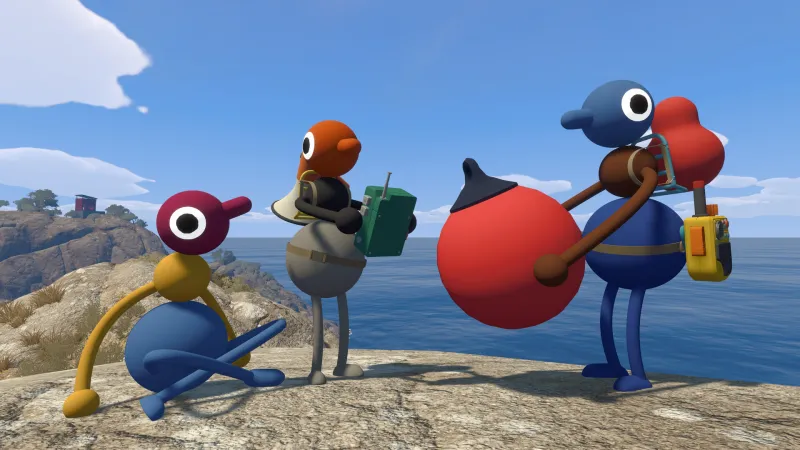
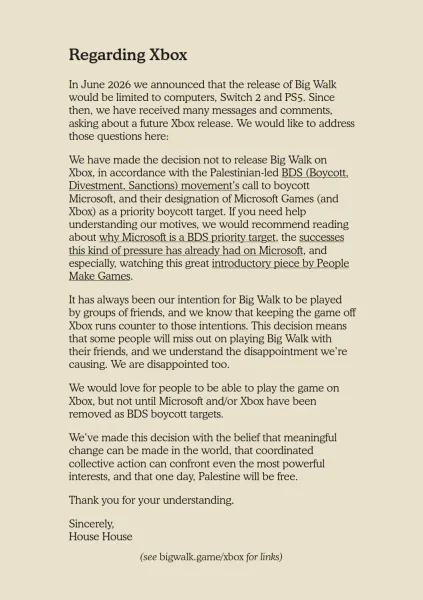
Untitled Goose Game developer House House launched Big Walk, its multiplayer cooperative puzzle-adventure game, on PlayStation 5, Nintendo Switch 2, PC, and Mac in August to critical acclaim. Since then, players have asked the studio to release the game on Xbox Series X/S, the only console absent from its launch lineup. Today, House House released an explanation stating that Big Walk is not on Xbox in accordance with the Palestinian-led BDS boycott against Microsoft.
“We have made the decision not to release Big Walk on Xbox, in accordance with the Palestinian-led BDS (Boycott, Divestment, Sanctions) movement call to boycott Microsoft, and their designation of Microsoft Games (and Xbox) as a priority boycott target,” the statement reads.
House House later writes that it would love for players to experience Big Walk on Xbox, but notes that won’t happen until Microsoft and/or Xbox have been removed as BDS boycott targets.
BDS is an international boycott movement “for freedom, justice, and equality,” and “upholds the simple principle that Palestinians are entitled to the same rights as the rest of humanity,” according to the organization. BDS states that Israel is occupying and colonizing Palestinian land, discriminating against Palestinian citizens of Israel, and denying Palestinian refugees the right to return to their homes. The movement, which has been around since 2005, is inspired by the South African anti-apartheid movement and urges action to pressure Israel to comply with international law, which BDS says the country has been noncompliant with since 1948.
As for the Microsoft and Xbox boycott target prioritization, BDS says on its website that “Microsoft is perhaps the most complicit tech company in Israel’s illegal occupation, apartheid regime, and ongoing genocide against 2.3 million Palestinians in Gaza. […] Microsoft partners with the apartheid regime of Israel and its prison system. It provides the Israeli military with Azure cloud and AI services that are central to accelerating Israel’s genocide of 2.3 million Palestinians in the illegally occupied Gaza Strip. After 34 years of deep complicity with Israel’s military, the Israeli army relies heavily on Microsoft to meet technological requirements of its genocide and apartheid regime.”
The BDS movement also calls on people to boycott Microsoft’s gaming products, including canceling Xbox Game Pass subscriptions, boycotting Candy Crush, Minecraft, and Call of Duty, and boycotting all Microsoft Gaming products, including Xbox-branded consoles, headsets, and all games published by Microsoft-owned publishing labels.
House House closes its statement, which you can read in full via the image below, stating, “We’ve made this decision with the belief that meaningful change can be made in the world, that coordinated collective action can confront even the most powerful interests, and that one day, Palestine will be free.”
There’s a lot of debate about the term “friendslop” these days, but regardless of how you feel, it’s clear most players of these games call them that affectionately. Perhaps the most successful friendslop game is Peak, which hit critical mass amongst friend groups, Discords, Twitch streams, and more after its June launch last year. Now, it’s set to reach new friend groups as Peak launches on PlayStation 5, Xbox Series X/S, and Nintendo Switch 2 next week.
More specifically, developers Aggro Crab and Landfall will release Peak on PS5 on October 22. The console versions of Peak will include “all content updates, biomes, and new items the game has received since launch,” including custom mountain runs.
You can get a taste of Peak’s humor and gameplay in the new trailer below:
Peak launches on PlayStation 5, Xbox Series X/S, and Switch 2 on October 22.
Developer Strange Scaffold, the studio behind games like I Am Your Beast and TMNT: Tactical Takedown, has released a new trailer for El Paso, Elsewhere 2, highlighting the game’s third-person vampire-shooter action. Plus, you can play the game today thanks to a new demo on Steam.
This sequel is the follow-up to 2023’s breakout El Paso, Elsewhere (which is also getting a TV adaptation – thanks, GameSpot), and brings back protagonist James Savage as he continues his journey across the United States to kill monsters like gargoyles, possessed animatronics, vampires, and more, and seal away these evil forces. Strange Scaffold says James is betrayed by a close friend and dragged into the Void itself to repay a terrible debt to an Eldritch horror. “He once killed the monster he loved to save the world,” a press release reads. “Now, he must save his betrayer to save himself.”
Check out the new El Paso, Elsewhere 2 trailer for yourself below:
Strange Scaffold says today’s new demo features a single level early in the sequel’s campaign, set in a fairytale forest. It features weapons new to the series, like an M16 and an automatic shotgun, and players can expect the aforementioned gargoyles and vampires, along with witches and more.
The full release of El Paso, Elsewhere 2 will feature more than 20 levels, 15 weapons, Frankenstein, and a “neo-noir tale of supernatural grief and recovery.”
Xalavier Nelson Jr., who is the studio head of Strange Scaffold, writes in a press release, “We looked back to the PS2 not just for inspiration, but for methodology. Just like the games we grew up loving, we’re directly using the foundation and assets of the original project to drive a quantum leap in gameplay. Combat is faster, more brutal, and more nimble, and takes place in exponentially more detailed environments.”
El Paso, Elsewhere 2 launches next year on Xbox Series X/S and PC (via Steam).
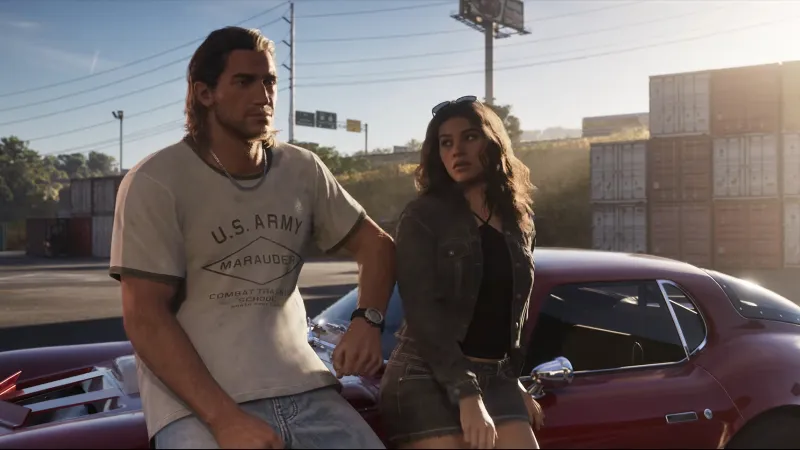
Grand Theft Auto VI is nearly, actually, truly upon us. The game releases November 19 and to celebrate the release that is about a month a four days away, Rockstar has unleashed its presumed final trailer.
The trailer offers a little background on Jason, some insight into his and Lucia’s relationship, lots of explosions, a man eating fried chicken in a very intimidating way, and hints at the physical and emotional strife the protagonist duo will be experiencing in the game.
The trailer features a song with a very long title called Flower In A Hurricane (feat. Tame Impala, SZA, King Gizzard & the Lizard Wizard) [from GTAVI], which you can find embedded below. The track comes from the electronic duo, Justice, who are now officially confirmed as the composers for Grand Theft Auto VI’s original score. Look out out for that song to break streaming records soon just as Tom Petty’s “Love Is a Long Road” did recently after appearing in a GTAVI trailer.
Ace Combat 8: Wings of Theve flies on the tailwinds of its predecessor, which brought life back to the series in 2019. Yet it also dips deep into the series’ wealth of mechanics and themes – wingmen, huge mission areas, memorable rivals – to forge what feels like the ace of aces, and one of the series’ best entries.
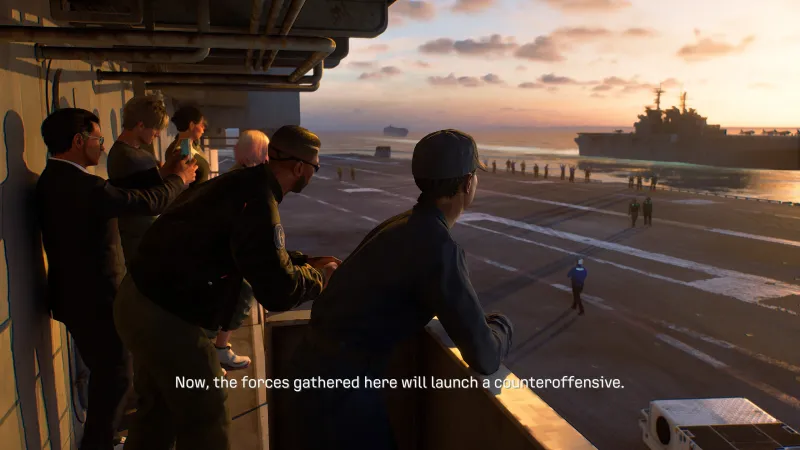
In the wake of an invasion of your homeland, you go down in a dogfight with Sotoa’s elite Shadow squadron alongside the “Wings of Theve,” a folk hero for the FCU that you discover is a little more tall tale than living legend. You don his identity and become the new “Wings of Theve” to help keep the war effort alive.
Though Ace Combat is certainly no stranger to stories about war, politics, and their effect on the world at large, Wings of Theve takes it to a new height thanks to its focus on your wingmen and the crew of your carrier, the Endurance. Over 30 missions, you build a small band of surviving fighters aboard your meager fleet, all hoping to make it to the conflict’s resolution. From your Joker Squadron and sister Queen Squadron to enemy aces and crew aboard the Endurance, the cast is both packed and memorable.
Though there are still some odd story wrinkles, specifically when asking for an arbitrary button press to advance the scene, and the voice of the former Wings pilot Cope speaking to you from the beyond lays on a little thick at the start, Ace Combat 8’s story soars thanks to its new first-person perspective and focus on the squadron around you and other members of the Endurance. Big moments in missions hit that much harder when you’ve spent time around these pilots, seen their struggles up close, and then have to desperately battle alongside them for your life in the skies above.
Each mission is a brilliantly laid-out box of objectives and tasks, an impressive feat given the variety of what Bandai’s Aces team asks you to accomplish. In one, you soar across a vast desert, taking out strategic reserves of power, ammo, and hangars full of planes to whittle down an invasion force’s resources. In another, you jet toward an island at high speeds and low altitudes to avoid radar detection; then, several missions later, you’re trailing massive cargo planes in the sky, following their contrails because radar jamming masks their exact position.
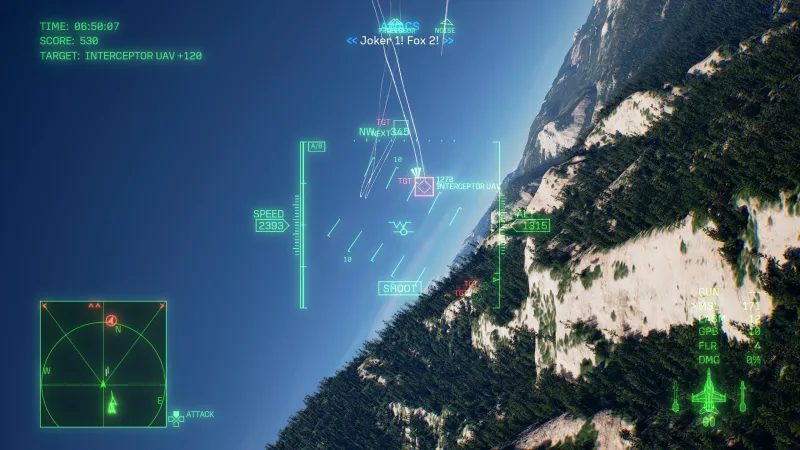
A wealth of planes and weapons are available, and all feel fantastic to fly. The jets feel a little heavier than in Ace Combat 7, but it’s a good heft; in the midst of a high-G turn, it appropriately feels like you’re wresting the nose of a giant mass of steel at sonic speeds. You can also pack two special weapons at a time, which lets you specialize more and opens up more options in your hangar for each outing. I still found myself beelining straight for the F-35C, but enjoyed several of the other options as well; one special section involving an A-10 bomber was a particularly fun break from the whiplash-inducing missile rodeo of other missions.
It’s not just missiles the enemy will throw at you, either. Get used to hearing “Rail Gun Warning” in your headphones, as Sotoa’s fleet of land battleships and other terra-naval units make ground forces especially troublesome in Ace Combat 8. Sotoa’s Lux Lunae, or the Shadows as your squad calls them, are also a highlight. From their sleek black paint jobs and open-comms chanting as they enter the battlefield to their mid-air maneuvers, the Shadows continually push you to the edge and beyond. Besting the Lux Lunae’s aces was a consistent source of improvement and achievement as a virtual pilot.
Multiplayer pushes even further, with modes for those who just like to chase high scores and those who want to dogfight other human pilots. Modes where your four-flier squad compete for score, either alongside or against an enemy squadron, make up the bulk of multiplayer playtime. The star attraction is the emergency sorties: special missions that fire up every so often for all players, pitting them against Ace Combat superweapons like the Arsenal Bird. It’s a solid base with room to grow for future support, though a lot of menuing, grinding for specific plane upgrade needs, and cosmetic monetization options put speed bumps on my playtime more often than I’d have liked.
Ace Combat 8: Wings of Theve perfectly represents why fliers have stuck with this series. A fantastic campaign, filled with missions I want to replay over and over again, is buoyed by a compelling cast and story, excellent flight controls, explosive dogfights, and encounters you can’t wait to scream through at supersonic speeds. Ace Combat 8 proves the series is no museum piece; Wings of Theve soars with the best of the best, and it’s a blast to play again and again.