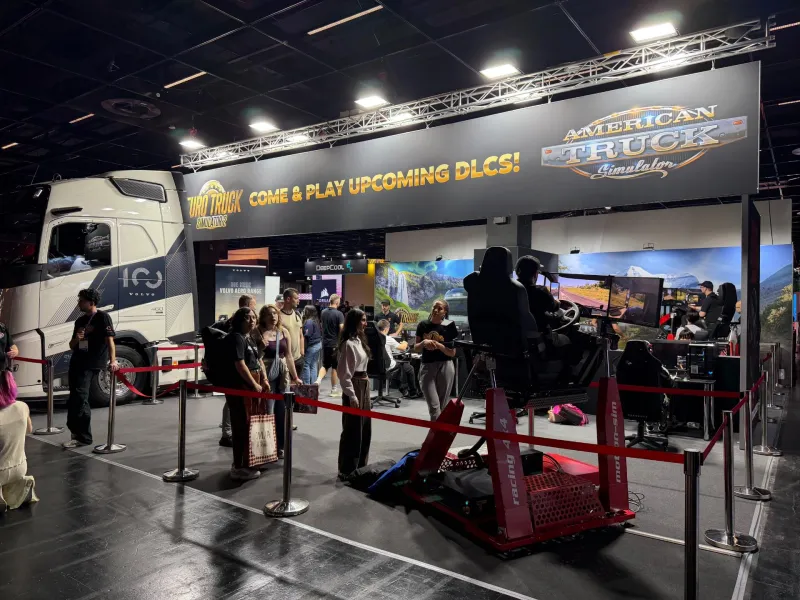
Didn’t make it to E3 heir apparent, Gamescom, in Cologne, Germany this year? Don’t worry. We’ve got you covered with our tour video.
Join Game Informer editors Kyle Hilliard and Wesley LeBlanc (mostly Wesley), for a tour of the hall floors showing off the impressive spectacle booths, myriad cosplayers, and food options while we only really get lost once.
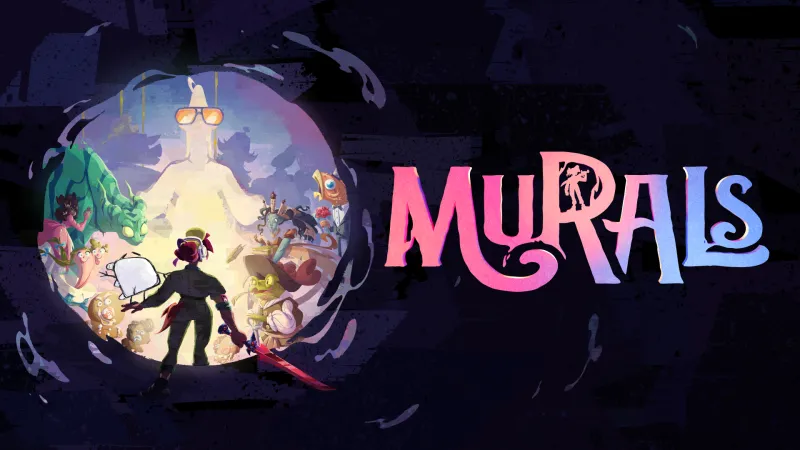
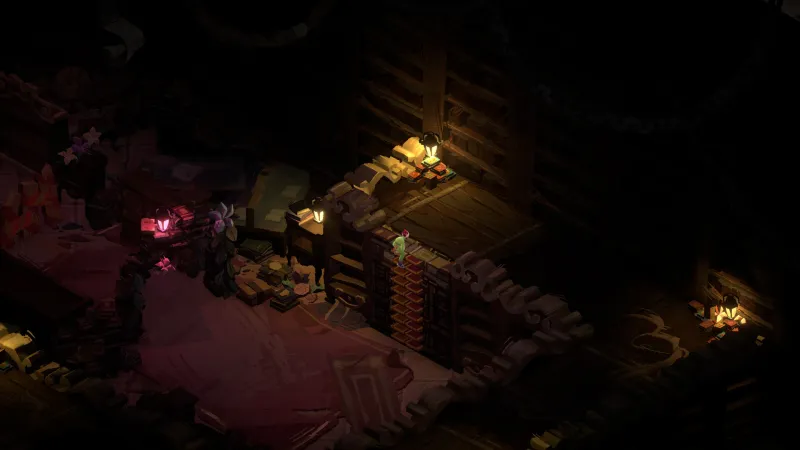
Though Dlala Studios has other games, it was 2023’s Disney Illusion Island that put this team on my personal map. You can read why in Game Informer’s Disney Illusion Island review here, but ultimately, it’s Dlala’s love for its own projects and the accompanying passion that kept me waiting patiently/impatiently for whatever its next game would be. I finally learned what it was last week during Gamescom’s Opening Night Live event when Dlala revealed Murals, a fairytale action game launching next year.
In Murals, you play as The Hero, fitting for a game about classic fairy tales like The Little Mermaid, Rapunzel, Rumpelstiltskin, and more. These are familiar tales, but game director and Dlala CEO AJ Grand-Scutton, who explains the game to me while design director Grant Allen actually plays it, is quick to mention that these aren’t Disney’s takes on the stories, despite the studio’s lineage with the Mouse. Instead, it’s Dlala’s spin on the works created by Hans Christian Andersen and the like, with the studio’s distinct spin.
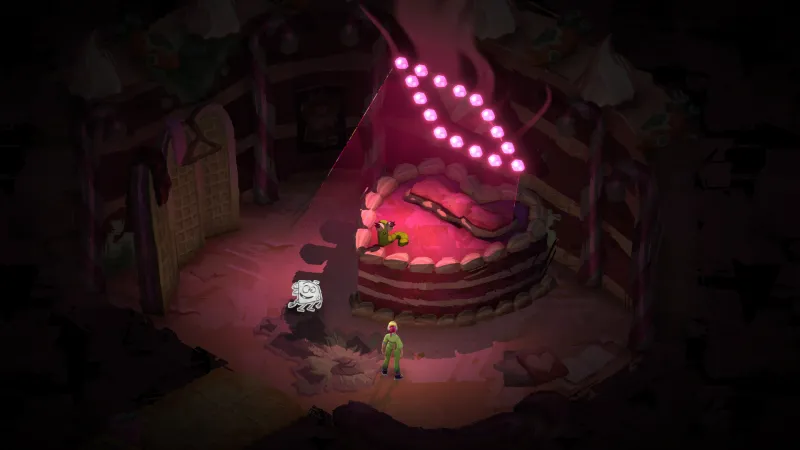
For my appointment, Grand-Scutton and Allen give me a taste of Murals’ Little Mermaid rendition. Inside this mural, seemingly watched over by an ominous and mischievous man named The Creator, The Hero attempts to help the Little Mermaid, who lies in a moving bathtub with her head doused in octopus-looking hair. The Hero does so alongside Toast, a sketch gone awry because of chaos in this world caused by monsters collectively known as The Distorted. Grand-Scutton explains that The Hero does speak, but rarely, with the whimsical and naively adorable Toast handling most of the talking.
This demo is too short to get a bigger picture of Murals’ narrative, but I like the Dlala spin on these classic characters alongside the original creations like The Hero and Toast (and I’m not surprised – Dlala has a commanding way of designing interesting and lovable characters). I look forward to learning more about this aspect of the game, but for now, my demo is primarily focused on combat.
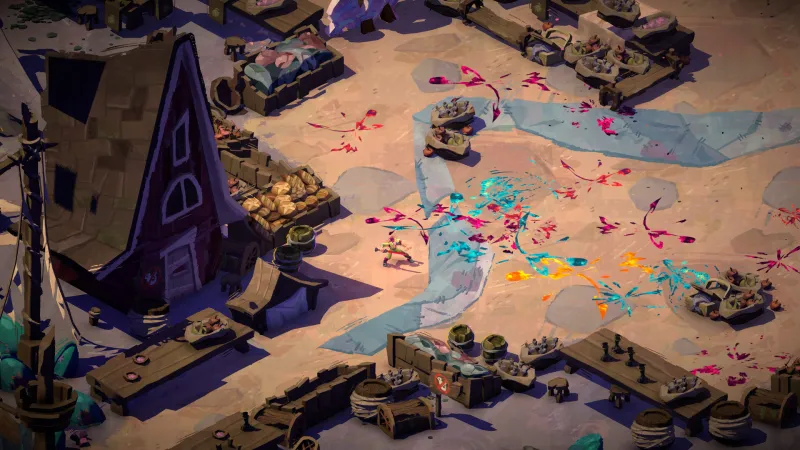
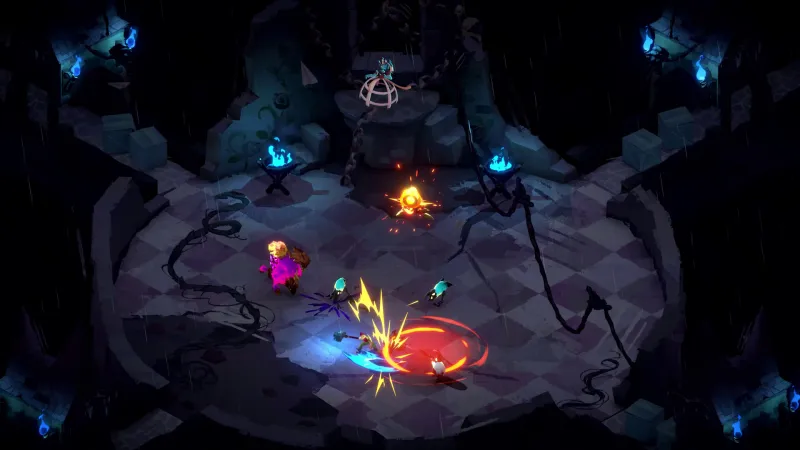
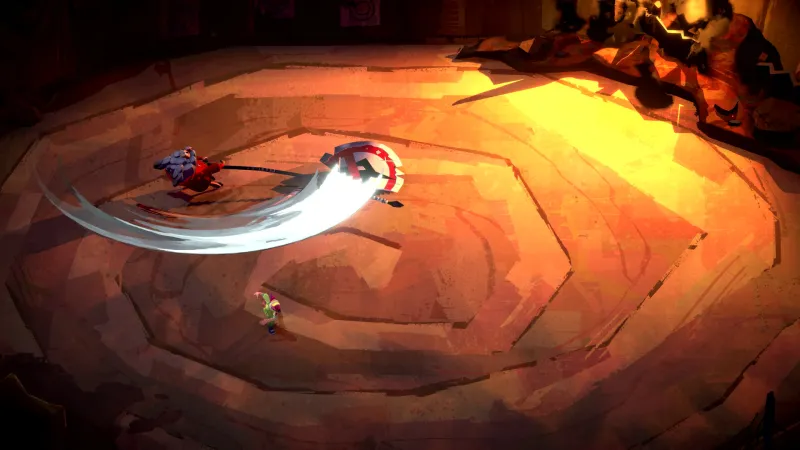
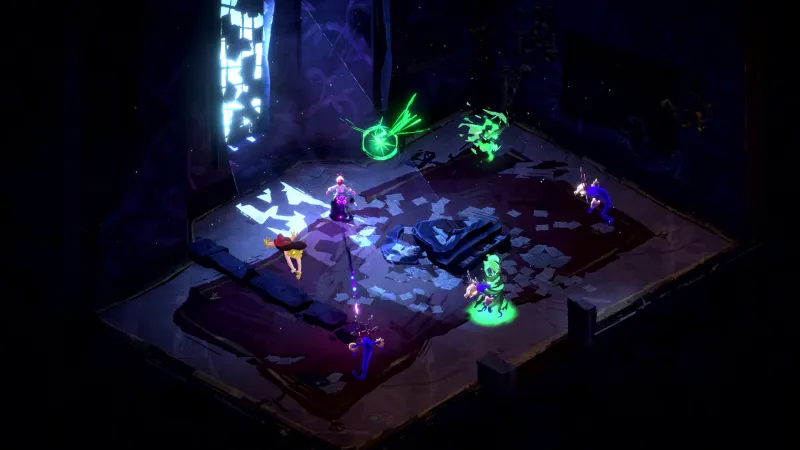
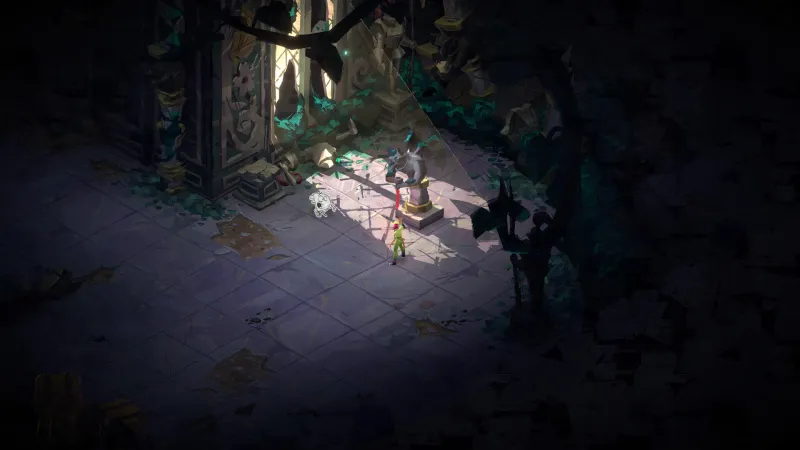
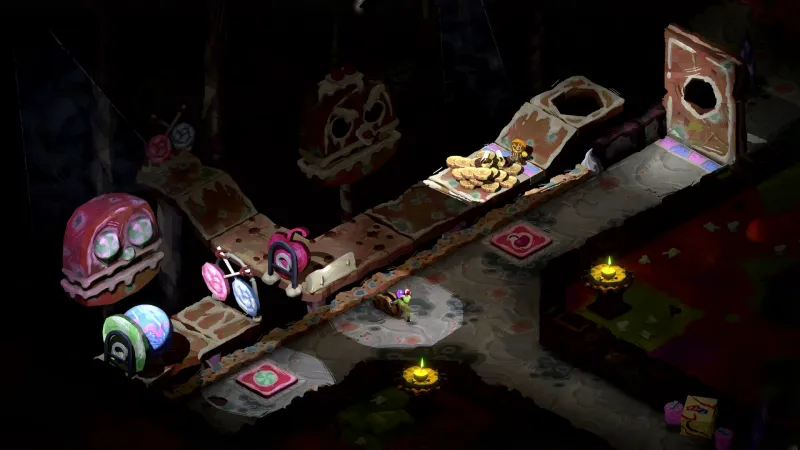
Taking inspiration from Doom, with various types of enemies that each do one thing really well, and action games like Hades, with isometric arena-style combat and post-bout pickups for your combat kit, Murals is a big departure from Disney Illusion Island, which was completely void of combat. The combat is immediately stylish, readable, and vibrant, with explosions of color and effects that enhance an already painterly vista of environmental design. Allen, who is on the sticks, is using The Hero, equipped with the “all-around melee weapon” known as the Dixie Cut sword, in tandem with a Dragon Medallion blaster, which is basically a magical gun, great for keeping encroaching enemies at bay.
Without going hands-on myself, it’s hard to say, but Murals looks like it controls like Hades. Don’t be fooled, though: this isn’t a roguelite. Instead, Murals is a linear adventure with a story to tell. And, unlike Hades, Murals’ stages are smaller, designed with unique barriers and environmental hazards that block out and shape otherwise standard arenas. The result is a more interesting combat playground that seems to require close attention to positioning, both offensively and defensively.
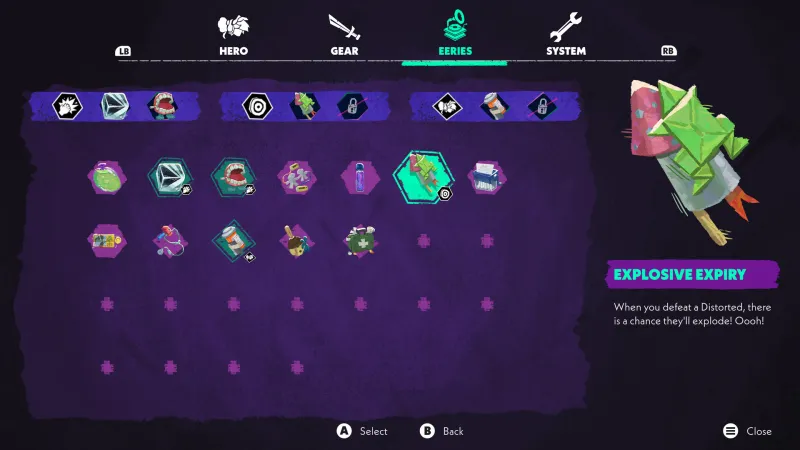
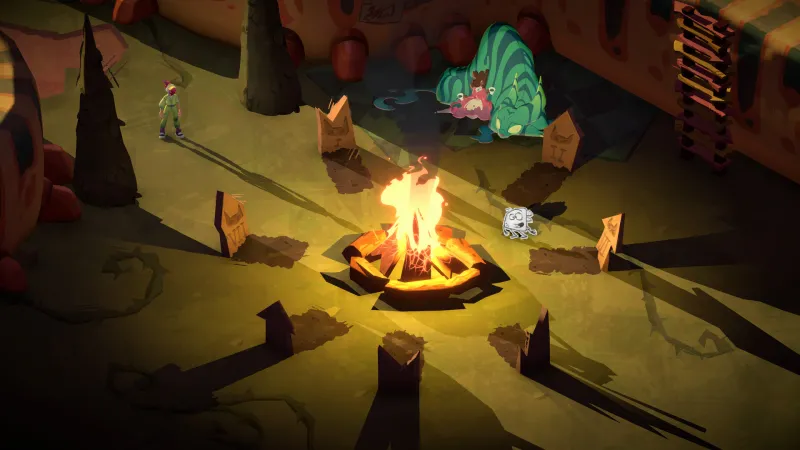
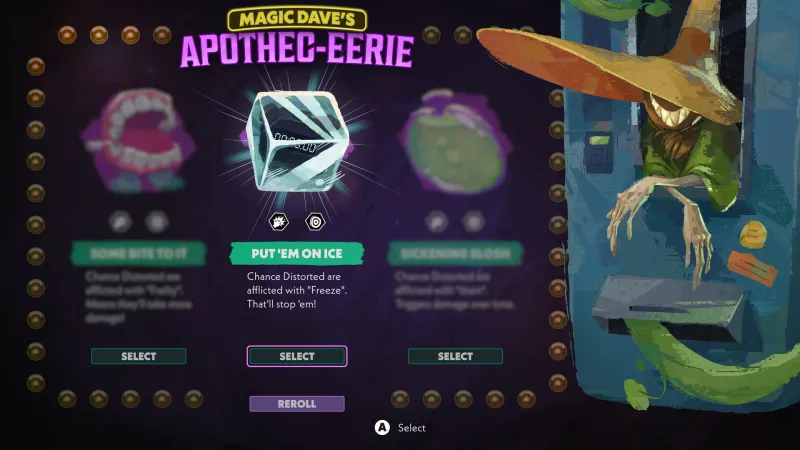
After making our way through this beachside area to help the Little Mermaid, we come across Magic Dave, a fantastical scarecrow voiced by British comedian Bob Mortimer (Grand-Scutton and Allen are delighted he’s a part of the game, as massive fans of his work), who sells Eeries. These are combat changes – think Hades’ Boons, Grand-Scutton tells me – but they are permanent throughout your entire adventure and can be equipped and unequipped freely to change how your Hero’s combat kit plays. We pick up an Eerie that adds a chance to freeze enemies whenever they’re hit by a projectile from your blaster.
Later, we switch from our sword to the Wolfhammer and combo it with the Chain ‘Em Eerie, which adds a chance for this melee weapon to electrify enemies on hit. Grand-Scutton says progression is simple, with XP earned from encounters alongside bonuses for kill streaks, which lets you level up the Hero’s damage output, health, and more, though I don’t get to see the menus for it.
As you defeat enemies, you collect Distortion, which fills up an on-screen bar (positioned under the Hero’s health bar), and once full, you can use an Ultimate-style move that clears arenas with a beautiful hand-animated visual effect. We continue our way through this beachy area, skating around on the Hero’s shoes, which are basically Heelys (side note: we should bring Heelys back), until we reach a boss fight that, unfortunately, I don’t get to see.
I close out this preview with a quick discussion about difficulty, considering Dlala certainly must now have fans newer to gaming following Disney Illusion Island, which was designed with family play in mind. Grand-Scutton says there are various settings to tweak that will allow players to make Murals easier or harder, and that he expects Murals to be as welcoming as Disney Illusion Island was.
My 30-minute appointment ends too soon – I want to see more. But considering I waited three years to see Dlala’s next project after Disney Illusion Island, I think I can manage the wait until its launch sometime next year.
Though Dlala Studios has other games, it was 2023’s Disney Illusion Island that put this team on my personal map. You can read why in Game Informer’s Disney Illusion Island review here, but ultimately, it’s Dlala’s love for its own projects and the accompanying passion that kept me waiting patiently/impatiently for whatever its next game would be. I finally learned what it was last week during Gamescom’s Opening Night Live event when Dlala revealed Murals, a fairytale action game launching next year.
In Murals, you play as The Hero, fitting for a game about classic fairy tales like The Little Mermaid, Rapunzel, Rumpelstiltskin, and more. These are familiar tales, but game director and Dlala CEO AJ Grand-Scutton, who explains the game to me while design director Grant Allen actually plays it, is quick to mention that these aren’t Disney’s takes on the stories, despite the studio’s lineage with the Mouse. Instead, it’s Dlala’s take on the classics created by Hans Christian Andersen and the like, with the studio’s distinct spin.
For my appointment, Grand-Scutton and Allen give me a taste of Murals’ Little Mermaid rendition. Inside this mural, seemingly watched over by an ominous and mischievous man named The Creator, The Hero attempts to help the Little Mermaid, who lies in a moving bathtub with her head doused in octopus-looking hair. The Hero does so alongside Toast, a sketch gone awry because of chaos in this world caused by monsters collectively known as The Distorted. Grand-Scutton explains that The Hero does speak, but rarely, with the whimsical and naively adorable Toast handling most of the talking.
This demo is too short to get a bigger picture of Murals’ narrative, but I like the Dlala spin on these classic characters alongside the original creations like The Hero and Toast (and I’m not surprised – Dlala has a commanding way of designing interesting and lovable characters). I look forward to learning more about this aspect of the game, but for now, my demo is primarily focused on combat.
Taking inspiration from Doom, with various types of enemies that each do one thing really well, and action games like Hades, with isometric arena-style combat and post-bout pickups for your combat kit, Murals is a big departure from Disney Illusion Island, which was completely void of combat. The combat is immediately stylish, readable, and vibrant, with explosions of color and effects that enhance an already painterly vista of environmental design. Allen, who is on the sticks, is using The Hero, equipped with the “all-around melee weapon” known as the Dixie Cut sword, in tandem with a Dragon Medallion blaster, which is basically a magical gun, great for keeping encroaching enemies at bay.
Without going hands-on myself, it’s hard to say, but Murals looks like it controls like Hades. Don’t be fooled, though: this isn’t a roguelite. Instead, Murals is a linear adventure with a story to tell. And, unlike Hades, Murals’ stages are smaller, designed with unique barriers and environmental hazards that block out and shape otherwise standard arenas. The result is a more interesting combat playground that seems to require close attention to positioning, both offensively and defensively.
After making our way through this beachside area to help the Little Mermaid, we come across Magic Dave, a fantastical scarecrow voiced by British comedian Bob Mortimer (Grand-Scutton and Allen are delighted he’s a part of the game, as massive fans of his work), who sells Eeries. These are combat changes – think Hades’ Boons, Grand-Scutton tells me – but they are permanent throughout your entire adventure and can be equipped and unequipped freely to change how your Hero’s combat kit plays. We pick up an Eerie that adds a chance to freeze enemies whenever they’re hit by a projectile from your blaster.
Later, we switch from our sword to the Wolfhammer and combo it with the Chain ‘Em Eerie, which adds a chance to electrify enemies on hit with this melee weapon. Grand-Scutton says progression is simple, with XP earned from encounters alongside bonuses for kill streaks, which lets you level up the Hero’s damage output, health, and more, though I don’t get to see the menus for it.
As you defeat enemies, you collect Distortion, which fills up an on-screen bar (positioned under the Hero’s health bar), and once full, you can use an Ultimate-style move that clears arenas with a beautiful hand-animated visual effect. We continue our way through this beachy area, skating around on the Hero’s shoes, which are basically Heelys (side note: we should bring Heelys back), until we reach a boss fight that, unfortunately, I don’t get to see.
I close out this preview with a quick discussion about difficulty, considering Dlala certainly must now have fans newer to gaming following Disney Illusion Island, which was designed with family play in mind. Grand-Scutton says there are various settings to tweak that will allow players to make Murals easier or harder, and that he expects Murals to be as welcoming as Disney Illusion Island was.
My 30-minute appointment ends too soon – I want to see more. But considering I waited three years to see Dlala’s next project after Disney Illusion Island, I think I can manage the wait until its launch sometime next year.
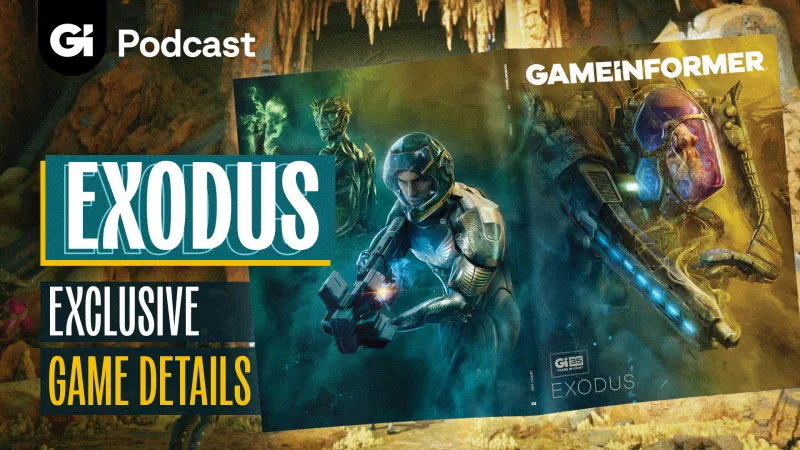
Game Informer traveled to Archetype Entertainment in Austin, TX, to play Exodus, an upcoming sci-fi role-playing game from the creators of Mass Effect, Halo, and more. Eric and Charles return from their trip to share exclusive details about the game, including one of its “awakened” characters, Salt, an octopus inside a railgun-toting mech. You’ll also learn more about the lore, backstory, and combat of this promising time-twisting epic.
Later in the podcast, Alex shares his impressions of Star Wars: Zero Company, Kyle compares Resonance: A Plague Tale Legacy to the Uncharted series, and the group finally discusses a great bullet-heaven platformer you should play, Blood Dungeon.
The Game Informer Show is a weekly podcast covering the video game industry. Join us every Friday for chats about video game reviews, news, and exclusive reveals alongside Game Informer staff and special guests from around the industry. Support the show by subscribing to our physical video game magazine! Submit a question or topic you’d like to hear us discuss: Podcast@GameInformer.com
Sponsored: Logitech G just changed the game again with the new PRO X2 Superstrike. This isn’t just an upgrade; it’s a total reimagining of the mouse click. Stop playing fair and start playing faster. Go to LogitechG.com and enter code GAMEINFORMER at checkout to save 25% off Logitech G products.
00:00 – Introduction04:37 – Exodus Cover Story Breakdown32:34 – Sponsored: Get 25% Off Logitech G Pro X2 Superstrike34:04 – Star Wars: Zero Company Impressions01:06:48 – Resonance: A Plague Tale Legacy01:15:00 – Blood Dungeon
Game Informer traveled to Archetype Entertainment in Austin, TX, to play Exodus, an upcoming sci-fi role-playing game from the creators of Mass Effect, Halo, and more. Eric and Charles return from their trip to share exclusive details about the game, including one of its “awakened” characters, Salt, an octopus inside a railgun-toting mech. You’ll also learn more about the lore, backstory, and combat of this promising time-twisting epic.
Later in the podcast, Alex shares his impressions of Star Wars: Zero Company, Kyle compares Resonance: A Plague Tale Legacy to the Uncharted series, and the group finally discusses a great bullet-heaven platformer you should play, Blood Dungeon.
The Game Informer Show is a weekly podcast covering the video game industry. Join us every Friday for chats about video game reviews, news, and exclusive reveals alongside Game Informer staff and special guests from around the industry. Support the show by subscribing to our physical video game magazine! Submit a question or topic you’d like to hear us discuss: Podcast@GameInformer.com
Sponsored: Logitech G just changed the game again with the new PRO X2 Superstrike. This isn’t just an upgrade; it’s a total reimagining of the mouse click. Stop playing fair and start playing faster. Go to LogitechG.com and enter code GAMEINFORMER at checkout to save 25% off Logitech G products.
00:00 – Introduction04:37 – Exodus Cover Story Breakdown32:34 – Sponsored: Get 25% Off Logitech G Pro X2 Superstrike34:04 – Star Wars: Zero Company Impressions01:06:48 – Resonance: A Plague Tale Legacy01:15:00 – Blood Dungeon
Showa American Story director Xiangyu Luo was born in China and remembers rumors in the 1980s that Japan’s economic prowess had grown so powerful it could buy America. Of course, that didn’t happen, but Nekcom’s upcoming action RPG, Showa American Story, which is set to launch sometime this year, is set in a world where it did. Hollywood is Neo Yokohama; Japanese immigrants have formed gangs like the Warriors, who don clown makeup and 1980s club attire; and protagonist Chigusa Choko has been resurrected from the grave and will kill many of the Warriors (and other enemies in her way) while searching for her sister.
It’s an interesting premise, made even more interesting by the fact that Luo and team have morphed it into a Quentin Tarantino-inspired action RPG that’s raunchy, bloody, absurd, and hilarious. Though the combat feels clunky and could use more fluidity, it’s still packed with personality in weapon design and animation. And that personality extends to the rest of the game, especially its characters and RGG-style storytelling.
There are a few demos I can choose from in the small booth I arrive at for this Gamescom preview of Showa American Story. I select the first one, which sees Choko, the charismatic Bubba, and Michael Hero, who strolls along with us in a wheelchair. We walk up streets that wind around the mountain that used to be famous for hosting the Hollywood sign, but now it reads Neo Yokohama.
We soon come across a band of enemies known as the Warriors, and yes, they are dressed like a street gang from 1979’s The Warriors. They’re threatening a random man who didn’t pay the sex worker whose services he used, and despite his pleas for mercy, they pick him up, spread his legs, and bash his crotch into the tree over and over. I, as Choko, arrive at the scene, and my first bout of combat ensues.
I primarily use a katana for now, using light and heavy attacks to slash through them, damaging their health bars and increasing a stagger meter. It could use some work, as swinging the sword feels sluggish, like it’s stuck in mud, and there’s a noticeable amount of input lag, too (though that could be the result of the demo and the Gamescom show floor). It’s still fun, though, as various combos trigger hilarious and brutal animations. I slice arms, necks, and more while puncturing bellies and stabbing enemies over and over by pressing X during a fast QTE button-mash segment.
I also have a machine gun with limited ammo that feels fine, and a shotgun that’s perfect for execution-style finishers. I also notice Lou and his interpreter in the room laughing at “how American” my use of the shotgun is.
After this combat encounter, I’m presented with dialogue options to ask how the tree is, considering a human being was just smashed into it over and over, or how the man’s “balls” are, considering they were just smashed into a tree over and over. It’s obviously played for laughs, and it works.
I finish this conversation and continue making my way up the mountain, picking up an American Flag weapon on the way. It’s a large, slow-swinging weapon that attacks enemies in large swaths, great for swarms of Warriors or the zombies (I’m not sure why zombies exist in this world, but they do) that I fight later. It’s my favorite weapon of the demo, too, because its execution move is overly and satirically patriotic, and it’s hilarious. I also pick up a massive BioShock Big Daddy-style drill that lets me pierce through multiple enemies at a time across a given combat arena.
Later, in a Chapter 4 demo, I learn there’s a man who owns an onsen at the top of this mountain who is in trouble and in need of saving. It turns out, he’s being spit-roasted (literally butt naked over a fire) by two men who turn out to be the final boss of this demo.
These two men are very large, buff, and backed by the William Tell Overture as their boss fight song, and the entire battle feels all the more patriotic because of it. That said, the clunky combat got in the way of what is clearly meant to be a fun and over-the-top encounter. Part of that clunkiness stems from the game’s desire for you to use weapon-switching combos, which, while hard-hitting and flashy, are hard to pull off because you have to use a strange combination of R1 and D-pad buttons; it doesn’t feel great. I have some other issues with combat, such as its confusing Rage system and stamina system, but I get the sense I’ll be more comfortable with these mechanics in the full game, when I’m not having to rush past tutorials to complete a 30-minute demo.
Combat issues aside, though, Showa American Story made me laugh, and not a lot of games do that. Its world is absurdist but charming, its characters are off-the-wall, and I enjoy the America-by-way-of-Japan-by-way-of-1980s-Chinese-rumors setting. I look forward to exploring more of it and seeing what else Choko is up to when the game launches later this year.
Showa American Story director Xiangyu Luo was born in China and remembers rumors in the 1980s that Japan’s economic prowess had grown so powerful it could buy America. Of course, that didn’t happen, but Nekcom’s upcoming action RPG, Showa American Story, which is set to launch sometime this year, is set in a world where it did. Hollywood is Neo Yokohama; Japanese immigrants have formed gangs like the Warriors, who don clown makeup and 1980s club attire; and protagonist Chigusa Choko has been resurrected from the grave and will kill many of the Warriors (and other enemies in her way) while searching for her sister.
It’s an interesting premise, made even more interesting by the fact that Luo and team have morphed it into a Quentin Tarantino-inspired action RPG that’s raunchy, bloody, absurd, and hilarious. Though the combat feels clunky and could use more fluidity, it’s still packed with personality in weapon design and animation. And that personality extends to the rest of the game, especially its characters and RGG-style storytelling.
There are a few demos I can choose from in the small booth I arrive at for this Gamescom preview of Showa American Story. I select the first one, which sees Choko, the charismatic Bubba, and Michael Hero, who strolls along with us in a wheelchair. We walk up streets that wind around the mountain that used to be famous for hosting the Hollywood sign, but now it reads Neo Yokohama.
We soon come across a band of enemies known as the Warriors, and yes, they are dressed like a street gang from 1979’s The Warriors. They’re threatening a random man who didn’t pay the sex worker whose services he used, and despite his pleas for mercy, they pick him up, spread his legs, and bash his crotch into the tree over and over. I, as Choko, arrive at the scene, and my first bout of combat ensues.
I primarily use a katana for now, using light and heavy attacks to slash through them, damaging their health bars and increasing a stagger meter. It could use some work, as swinging the sword feels sluggish, like it’s stuck in mud, and there’s a noticeable amount of input lag, too (though that could be the result of the demo and the Gamescom show floor). It’s still fun, though, as various combos trigger hilarious and brutal animations. I slice arms, necks, and more while puncturing bellies and stabbing enemies over and over by pressing X during a fast QTE button-mash segment.
I also have a machine gun with limited ammo that feels fine, and a shotgun that’s perfect for execution-style finishers. I also notice Lou and his interpreter in the room laughing at “how American” my use of the shotgun is.
After this combat encounter, I’m presented with dialogue options to ask how the tree is, considering a human being was just smashed into it over and over, or how the man’s “balls” are, considering they were just smashed into a tree over and over. It’s obviously played for laughs, and it works.
I finish this conversation and continue making my way up the mountain, picking up an American Flag weapon on the way. It’s a large, slow-swinging weapon that attacks enemies in large swaths, great for swarms of Warriors or the zombies (I’m not sure why zombies exist in this world, but they do) that I fight later. It’s my favorite weapon of the demo, too, because its execution move is overly and satirically patriotic, and it’s hilarious. I also pick up a massive BioShock Big Daddy-style drill that lets me pierce through multiple enemies at a time across a given combat arena.
Later, I learn there’s a man who owns an onsen at the top of this mountain who is in trouble and in need of saving. It turns out, he’s being spit-roasted (literally butt naked over a fire) by two men who turn out to be the final boss of this demo.
These two men are very large, buff, and backed by the William Tell Overture as their boss fight song, and the entire battle feels all the more patriotic because of it. That said, the clunky combat got in the way of what is clearly meant to be a fun and over-the-top encounter. Part of that clunkiness stems from the game’s desire for you to use weapon-switching combos, which, while hard-hitting and flashy, are hard to pull off because you have to use a strange combination of R1 and D-pad buttons; it doesn’t feel great. I have some other issues with combat, such as its confusing Rage system and stamina system, but I get the sense I’ll be more comfortable with these mechanics in the full game, when I’m not having to rush past tutorials to complete a 30-minute demo.
Combat issues aside, though, Showa American Story made me laugh, and not a lot of games do that. Its world is absurdist but charming, its characters are off-the-wall, and I enjoy the America-by-way-of-Japan-by-way-of-1980s-Chinese-rumors setting. I look forward to exploring more of it and seeing what else Choko is up to when the game launches later this year.
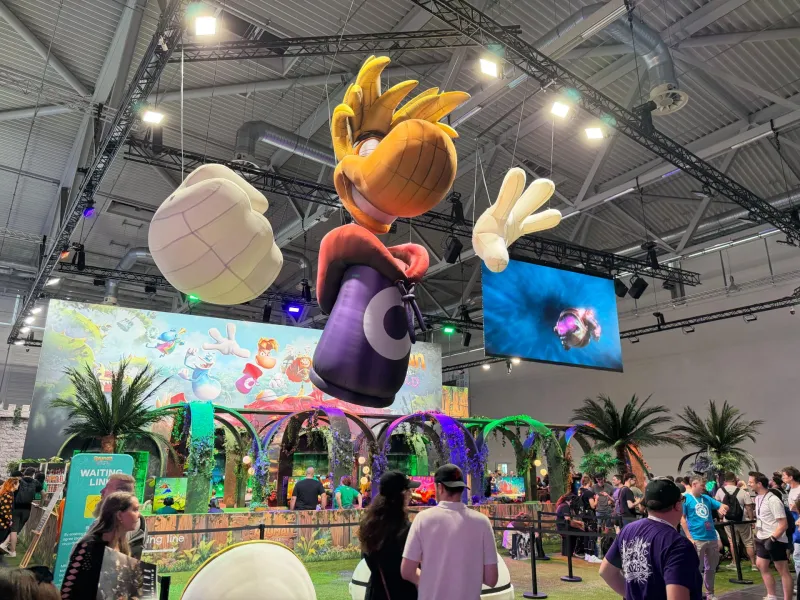
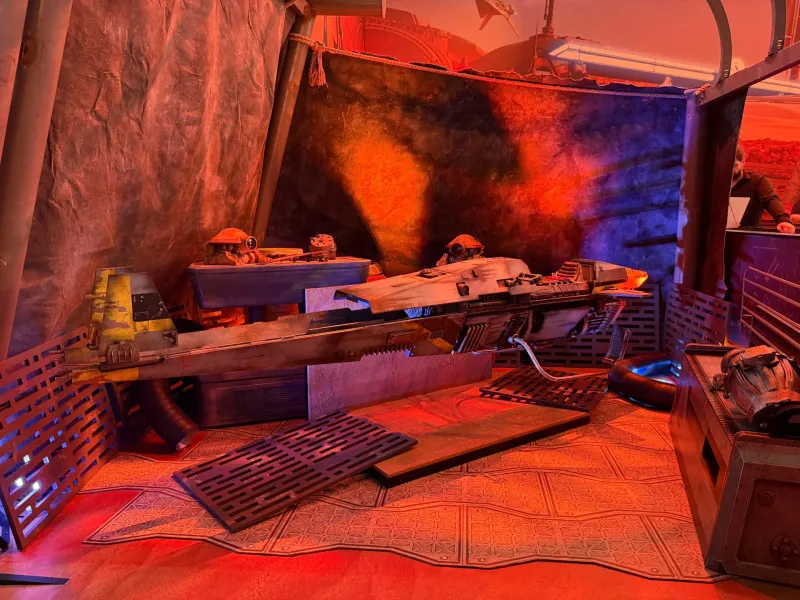
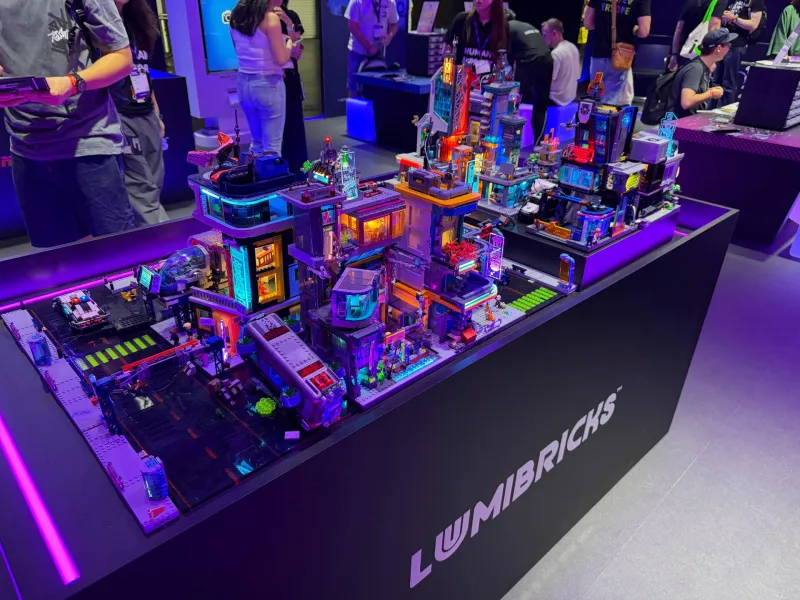
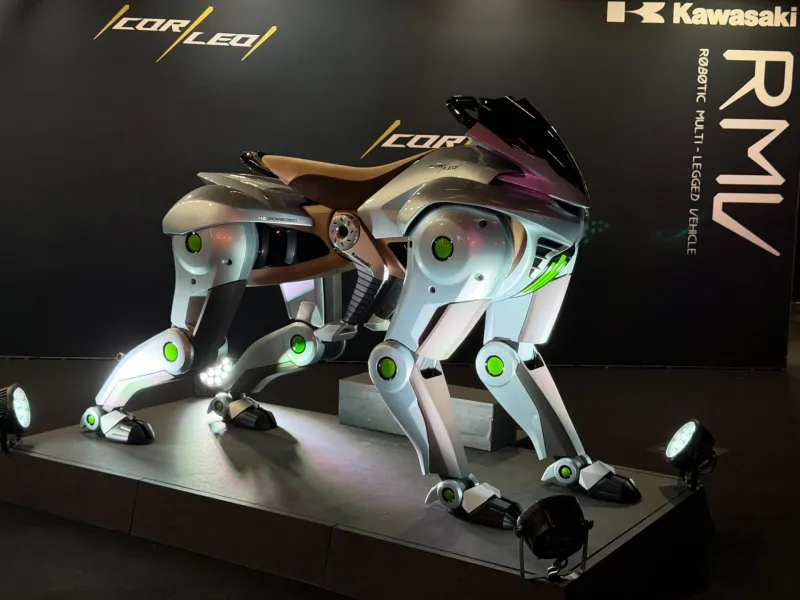
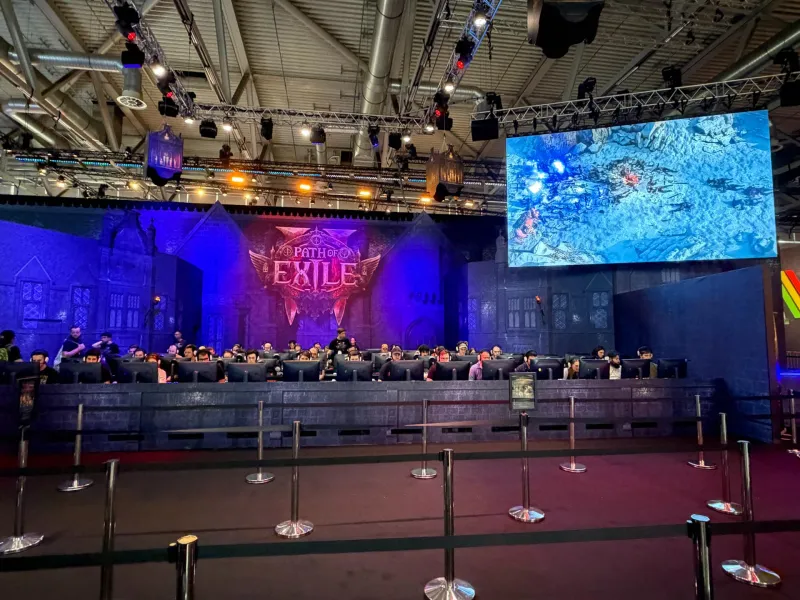
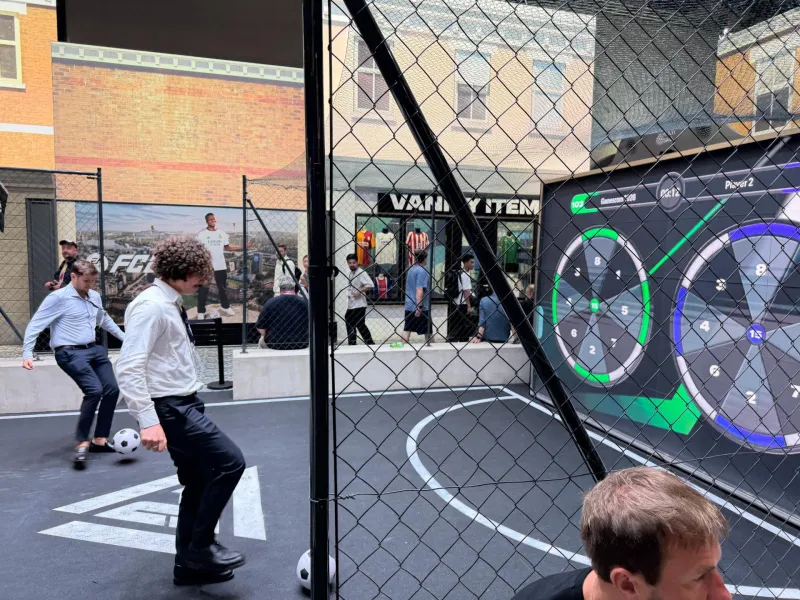
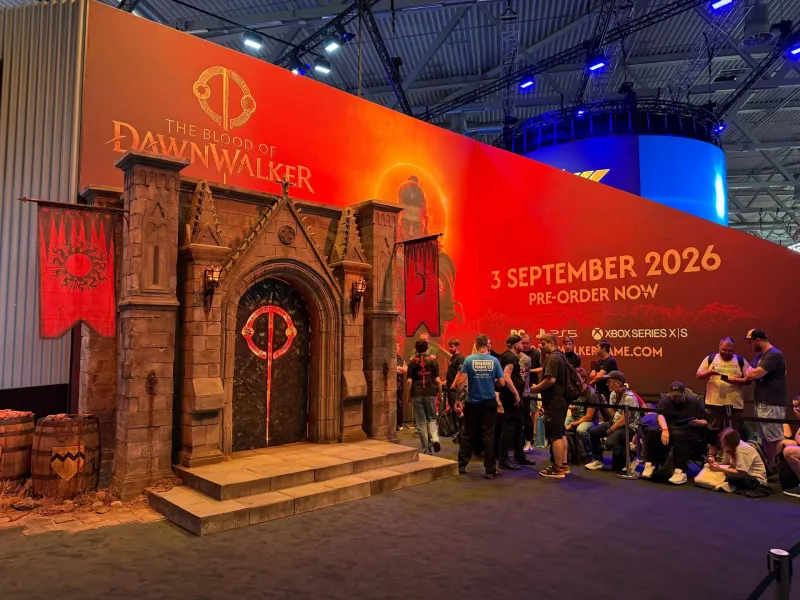
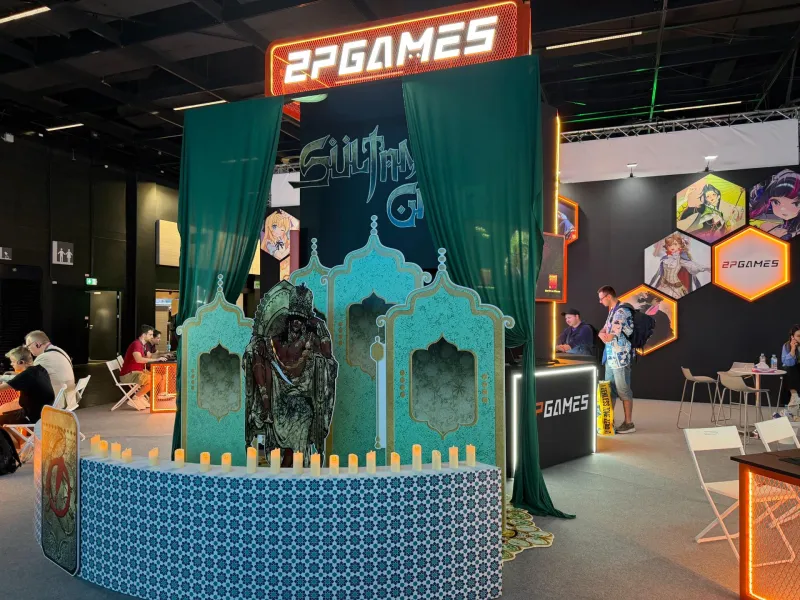
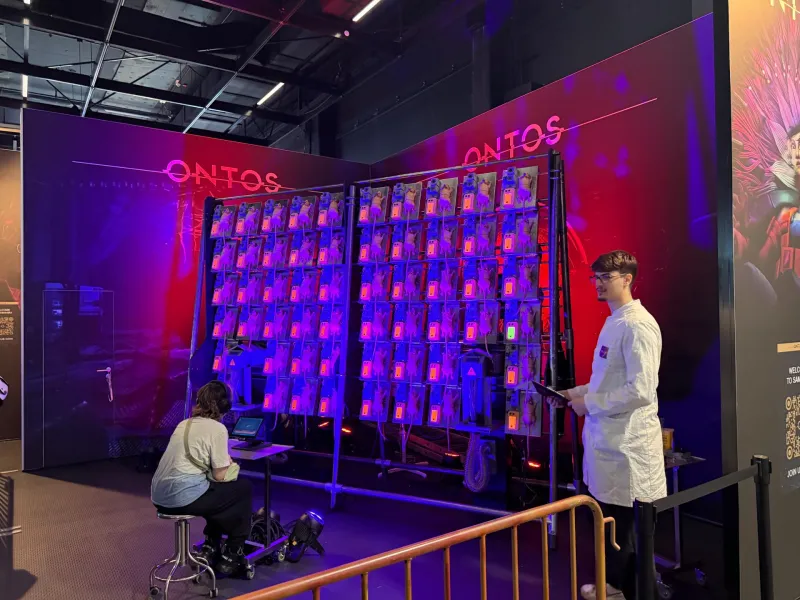
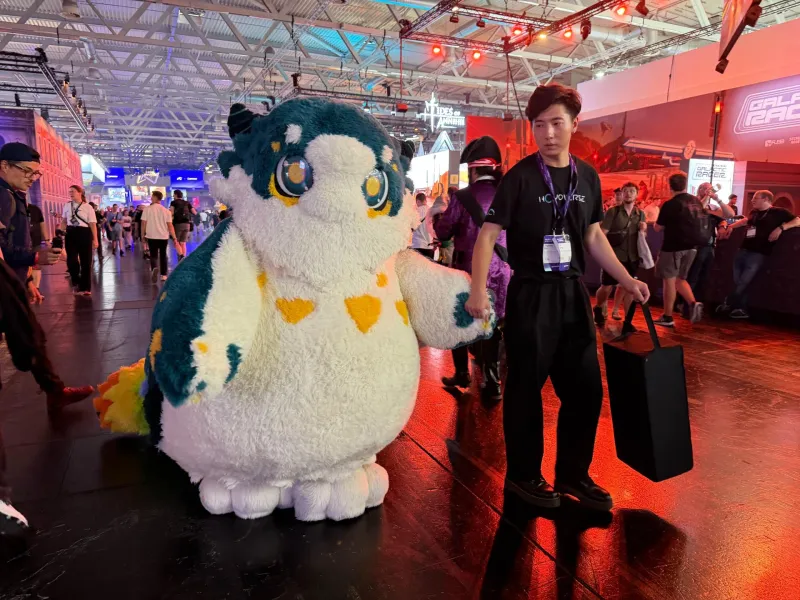
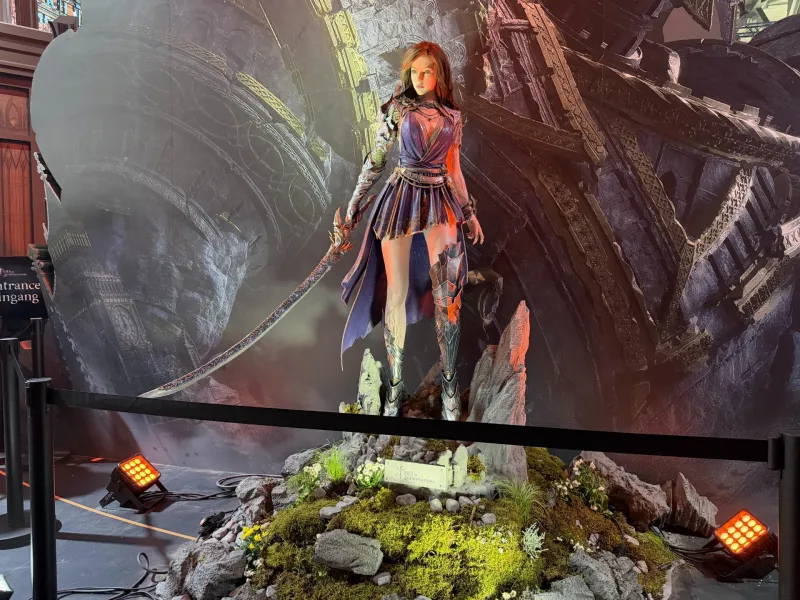
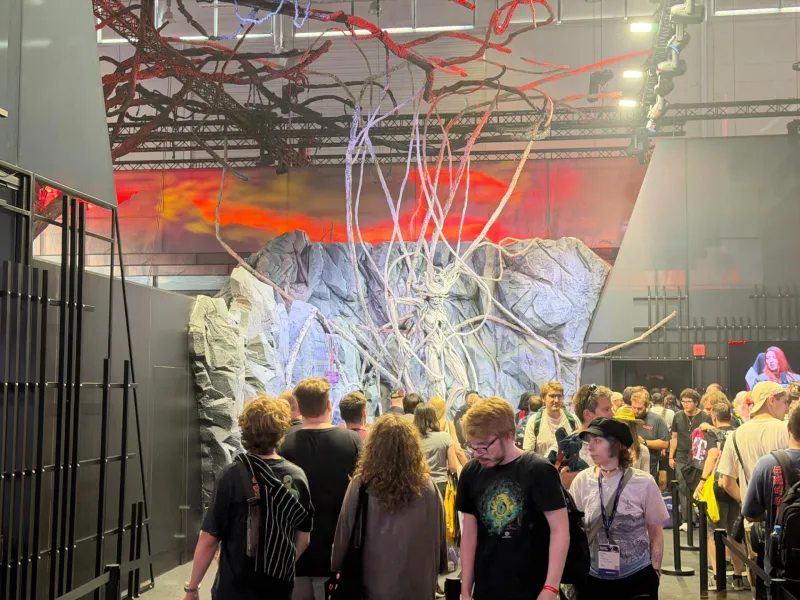
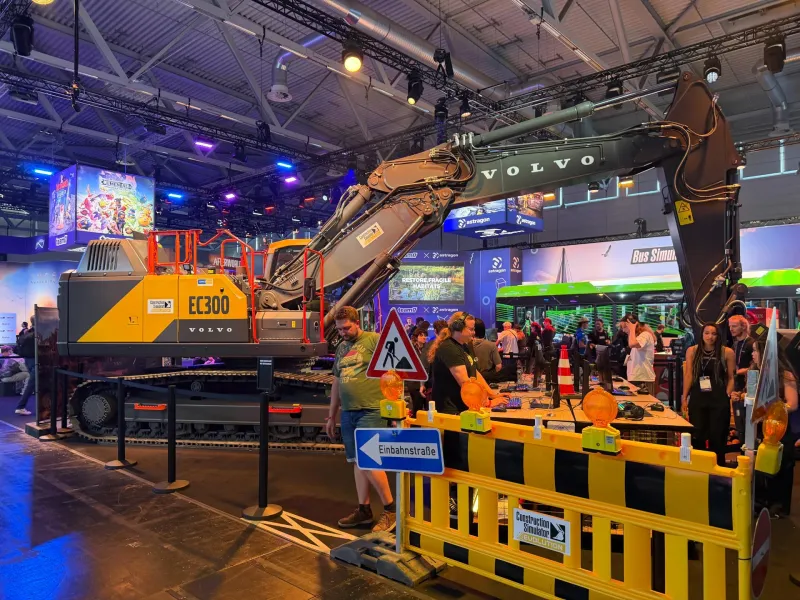
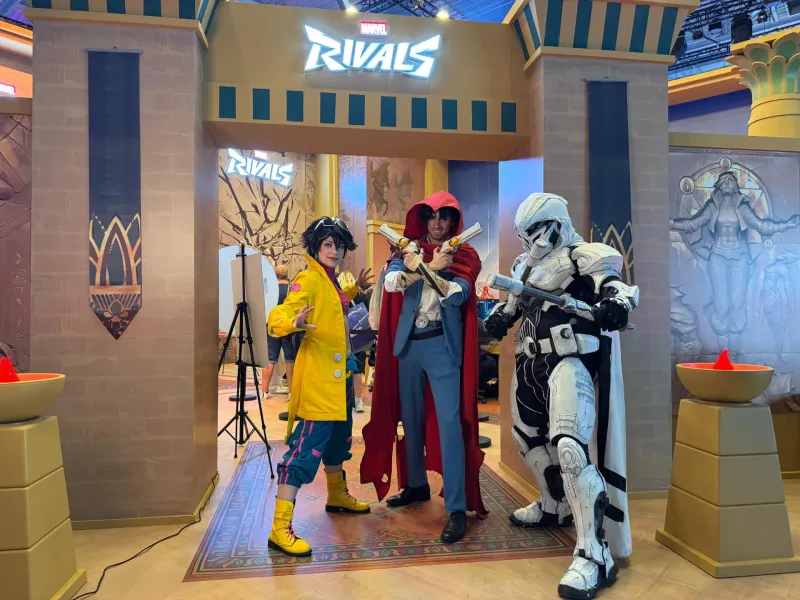
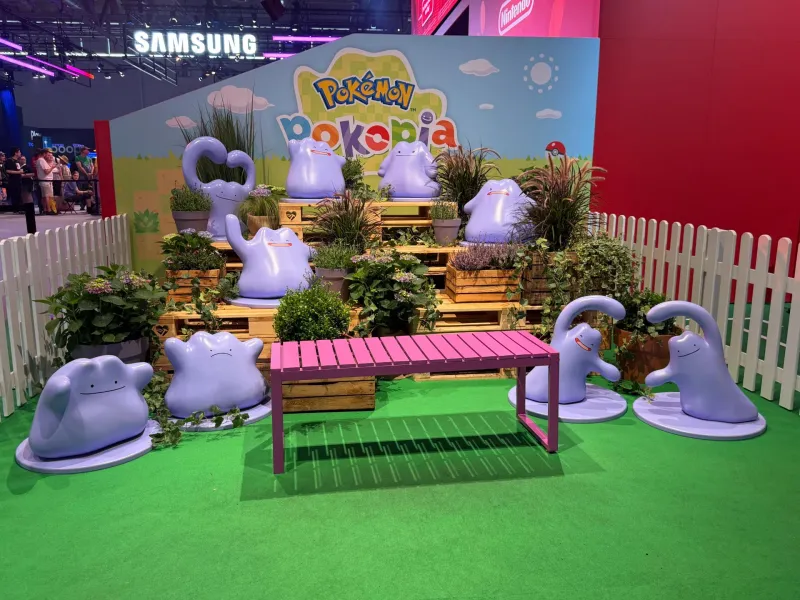
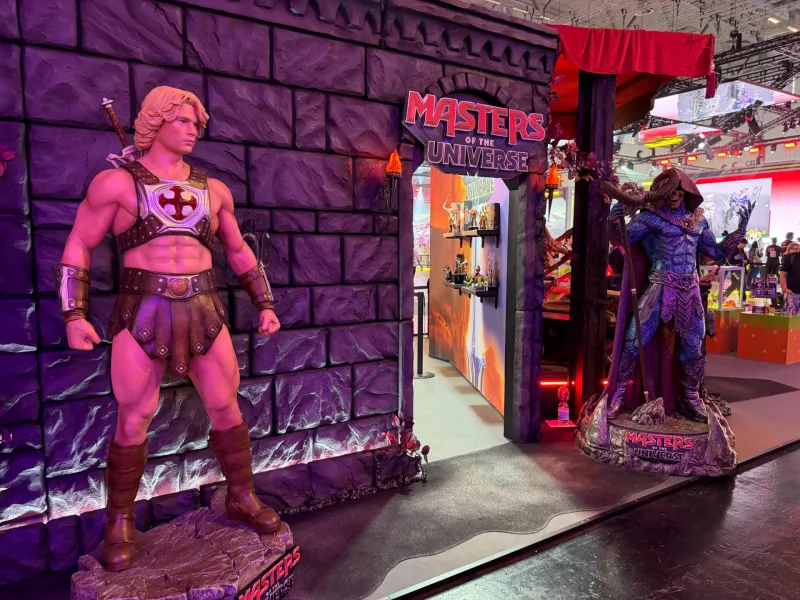
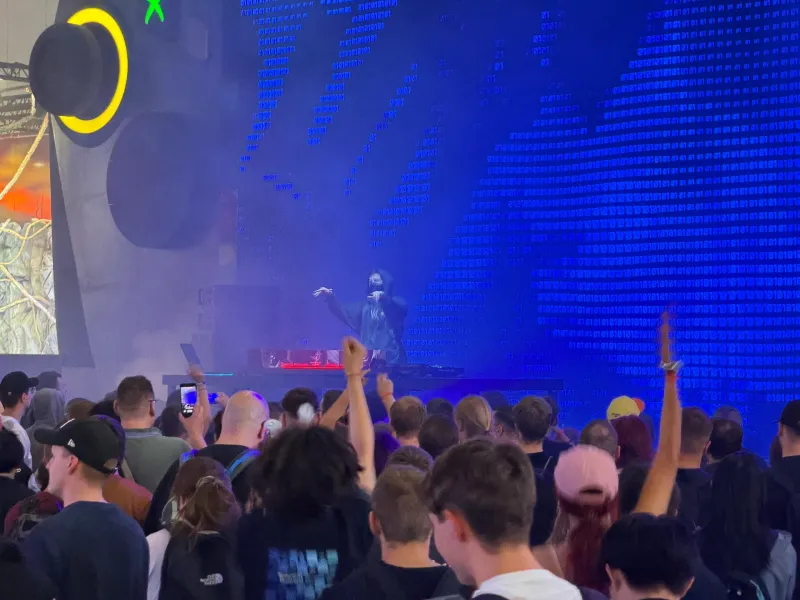
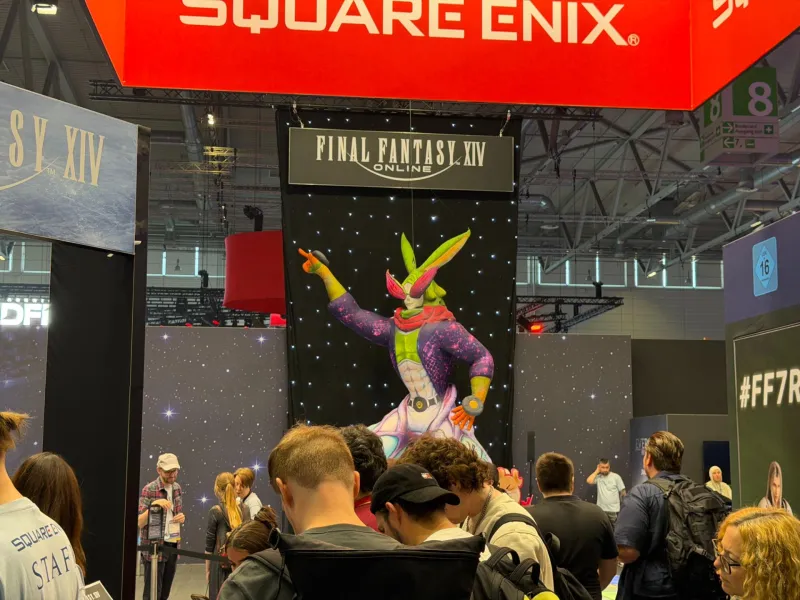
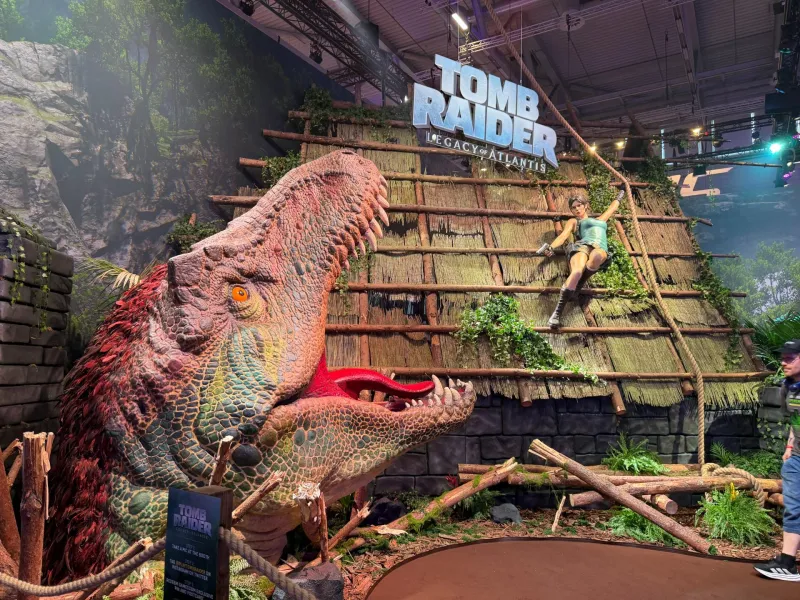
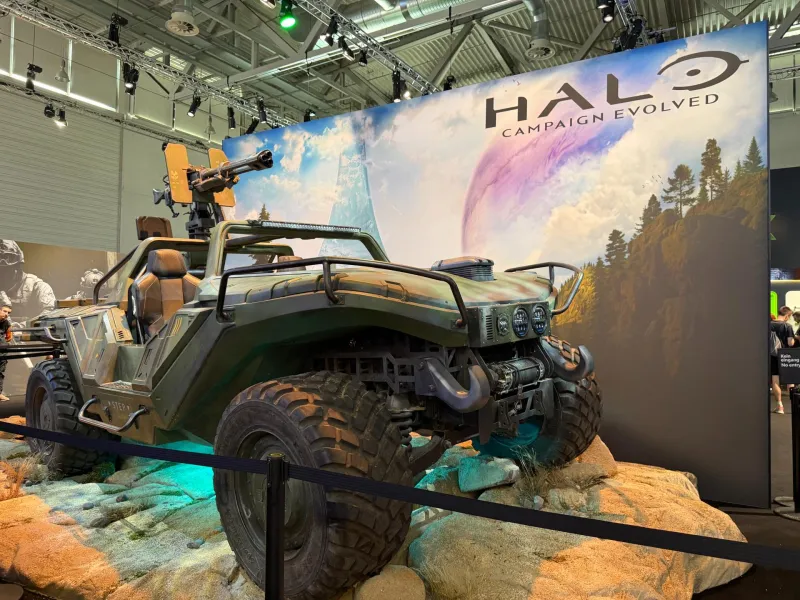
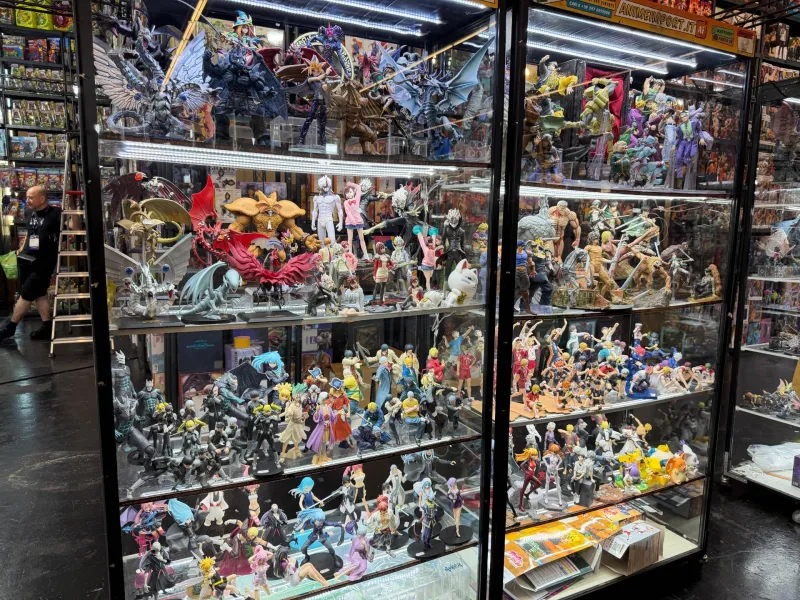
Each year in August, the gaming world descends upon Cologne, Germany, for Gamescom. Gamescom 2026 featured some of the biggest upcoming and ongoing games, with massive booths reminiscent of the E3 showfloors of old. Not only was Game Informer in attendance at the show that attracts upwards of 300,000 attendees annually, but we had a large, two-booth presence ourselves, with most of our editorial staff on hand, as well as representatives from the rest of our team.
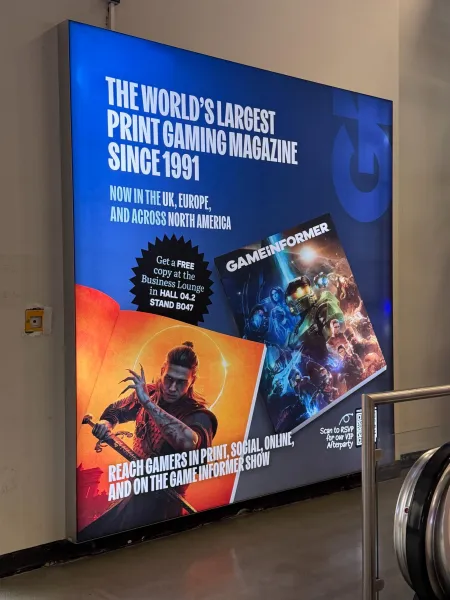
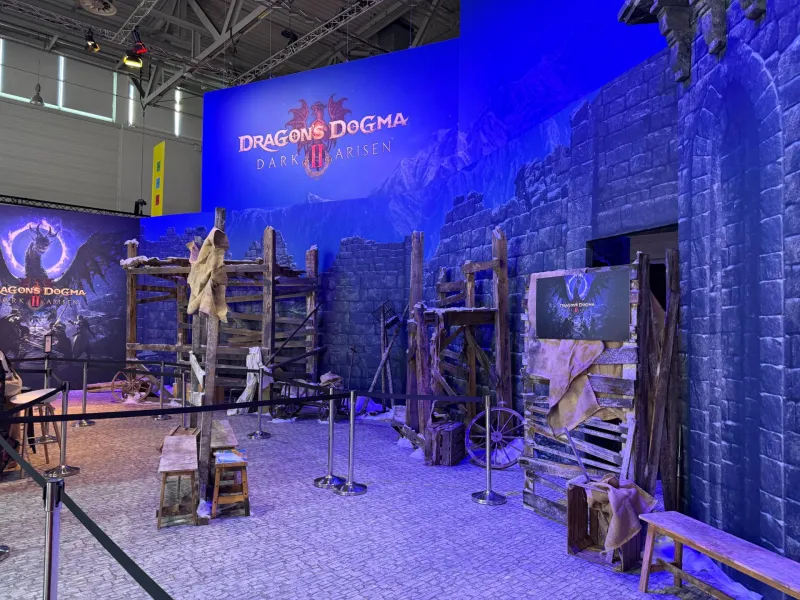
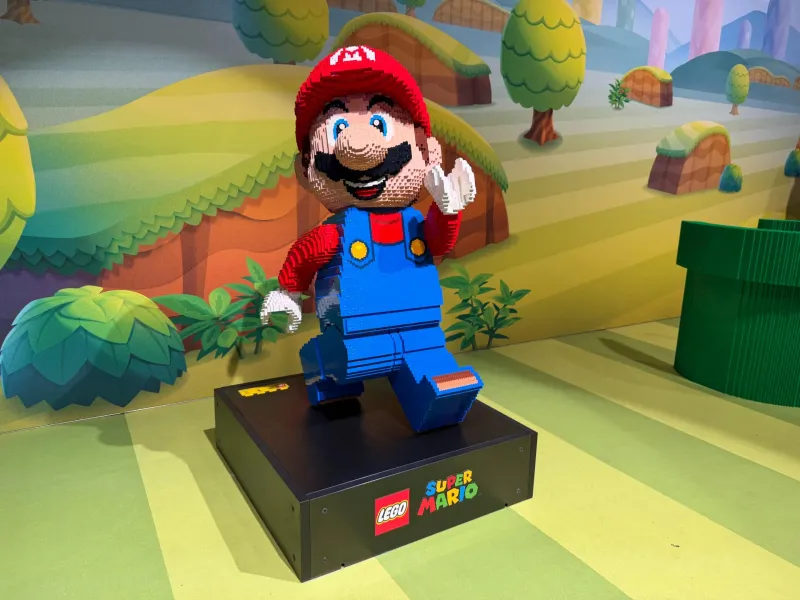
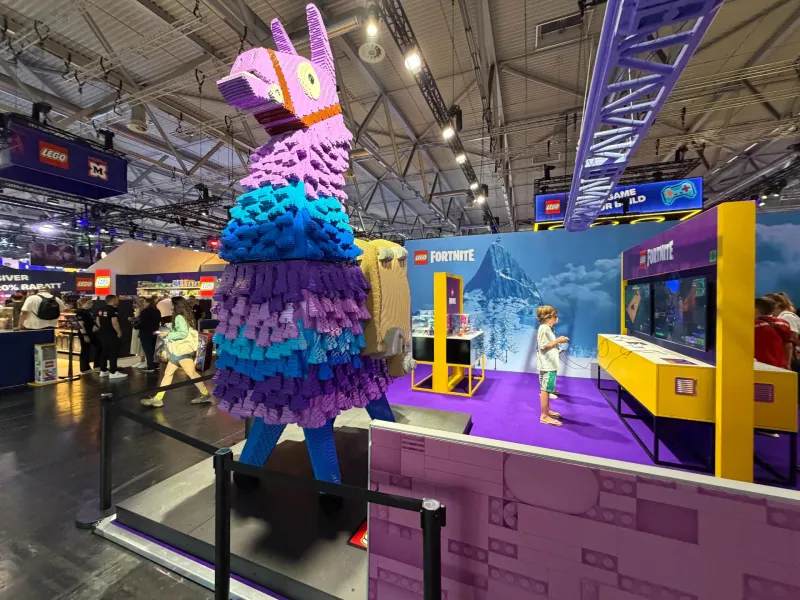
En route to the various halls, you could spot several Game Informer ads, celebrating our 35th anniversary, the rollout of our international print subscriptions, and our newly released mobile app, but for most, those aforementioned halls were the true destination. We also spent hours combing through those halls, scoping out the biggest and most interesting sights. Below, you can see some of the coolest booths, statues, and more from the show!
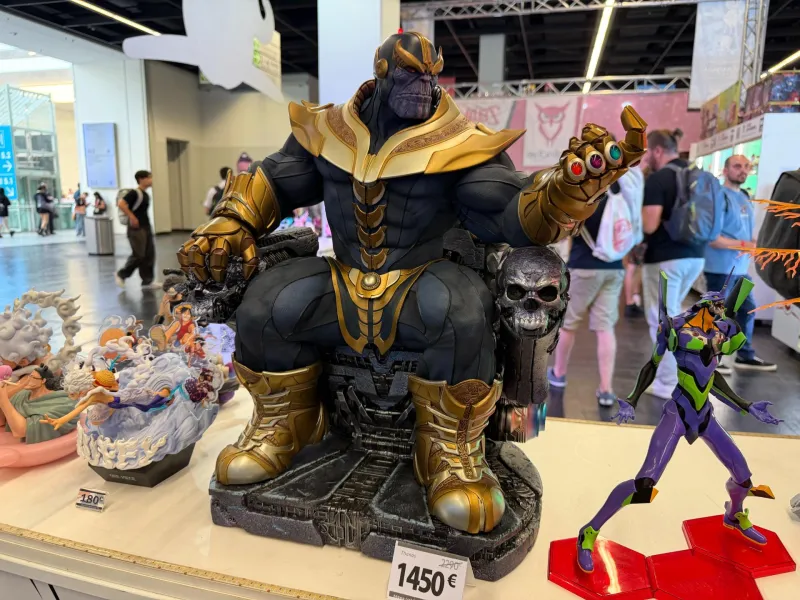
Which booth looks the coolest to you? Which taxi-based booth is the best? How would you get that giant Thanos statue from, say, Cologne to Saint Paul, Minnesota (asking for a friend)? Let us know in the comments below!
Each year in August, the gaming world descends upon Cologne, Germany, for Gamescom. Gamescom 2026 featured some of the biggest upcoming and ongoing games, with massive booths reminiscent of the E3 showfloors of old. Not only was Game Informer in attendance at the show that attracts upwards of 300,000 attendees annually, but we had a large, two-booth presence ourselves, with most of our editorial staff on hand, as well as representatives from the rest of our team.
En route to the various halls, you could spot several Game Informer ads, celebrating our 35th anniversary, the rollout of our international print subscriptions, and our newly released mobile app, but for most, those aforementioned halls were the true destination. We also spent hours combing through those halls, scoping out the biggest and most interesting sights. Below, you can see some of the coolest booths, statues, and more from the show!
Which booth looks the coolest to you? Which taxi-based booth is the best? How would you get that giant Thanos statue from, say, Cologne to Saint Paul, Minnesota (asking for a friend)? Let us know in the comments below!
Platform:
PlayStation 5, Xbox Series X/S, PlayStation 4, Xbox One, Switch, PC
Publisher:
Capcom
Developer:
Capcom
Release:
2027
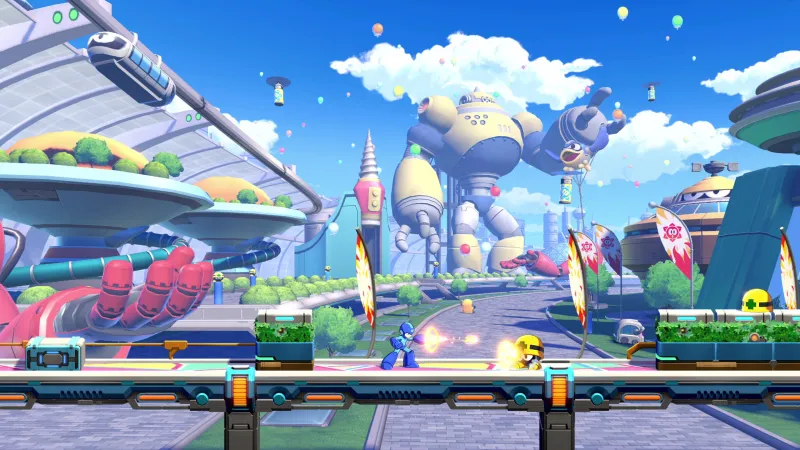
Since its announcement, Capcom has made it fairly clear that despite the Dual Override subtitle, this entry in the Mega Man series is not a spin-off. It is a mainline Mega Man game despite being the first to not end in a number, but I wanted to be completely sure. “Yes, that is correct. This is part of the mainline Mega Man series,” producer Hiroyuki Minamitani (who says Zero is his favorite Mega Man game) told me during an interview following some hands on with the game at Gamescom.
Mega Man series producer, Shingo Izumi (Star Force: Leo/Dragon/Pegasus is his favorite Mega Man game) says that it really comes down to making sure new players who maybe discovered Mega Man through Super Smash Bros. Ultimate or Fortnite (or maybe even the recently released Pragmata skins) aren’t intimidated by history. “As the number increases over time, certain players who have never had a chance to play past Mega Man games may feel some sort of resistance as we feel many new players will be joining in with Dual Override,” Minamitani says. “We felt that we want the title to be more approachable for that audience, as well. So, the title is a combination of the main title and the subtitle, as well. […] We have hope that people introduced to Mega Man outside of Mega Man games will hopefully give Dual Override a shot now that they’re familiar with the character.”
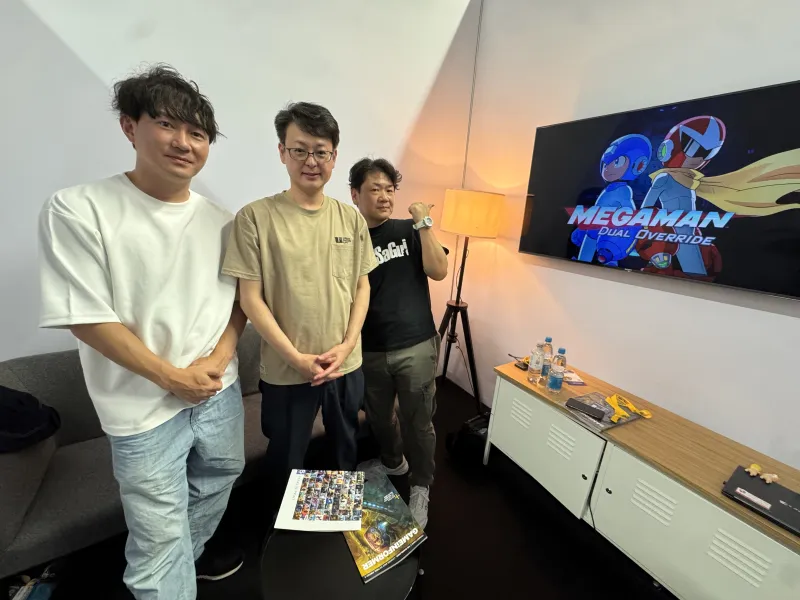
From left to right, Dual Override producer Hiroyuki Minamitani, director Shinya Ikuta, and Mega Man series producer Shingo Izumi
That effort to welcome new players to a mainline Mega Man game seems to extend to the story, as well. Mega Man has never had a complicated story, but it has maintained a canon of sorts across its 11 games. I don’t think we can expect any unexpected narrative revelations. “The Dual Override story kind of stands alone within the entire canon. I don’t think there is a chronological aspect to it, but it is a standalone story that fits within the overall Mega Man world without having to play the others,” Minamitani says. It will have plenty of callbacks and references to past games, though, as it is intended to be a celebration of Mega Man’s 40th anniversary.
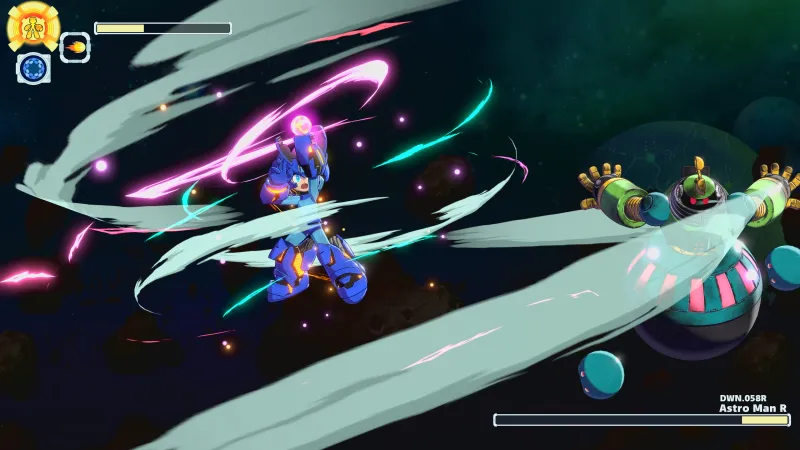
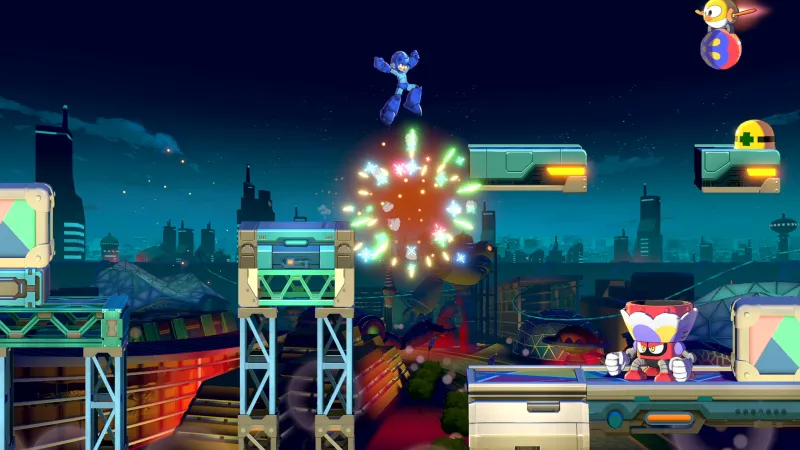
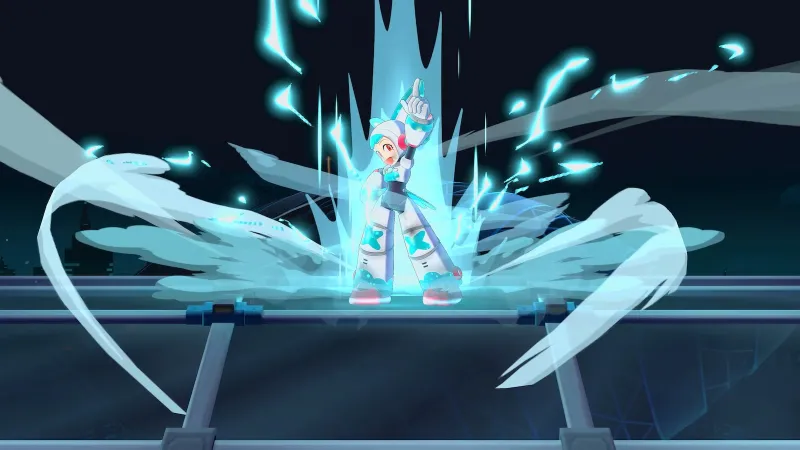
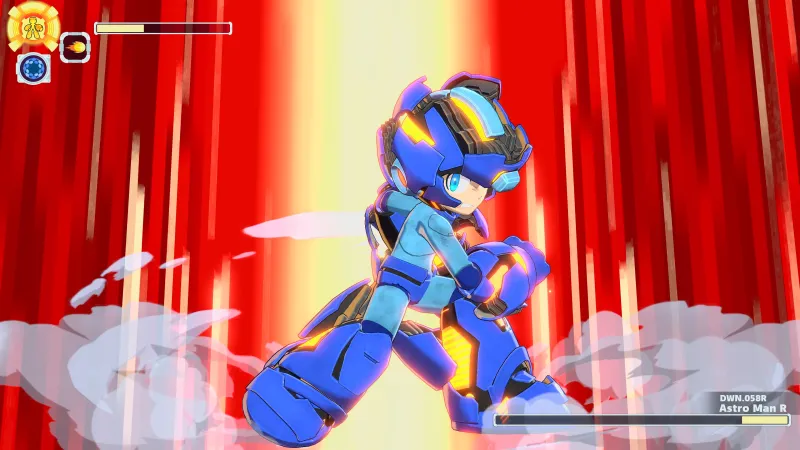
One of the ways this manifests is in a new structure. I played through three stages leading up to a final conformation with Twinkle Girl – a first for a Mega Man game – and each of those three stages featured a boss. The second stage boss was Astro Man R, which Mega Man even commented before the fight started that they made a copy of him. Astro Man was a boss in Mega Man 8.
“If you have played other Mega Man titles in the past you might notice that as you progress through the stage, things become more and more challenging as you get further along to the end of the stage,” director Shinya Ikuta (Mega Man 2 is his favorite) says. “That’s when you feel that sense of accomplishment for defeating the boss. For this title we wanted to provide more segmented senses of accomplishment so you feel that after you defeat the boss at the end of that particular area within the entire robot master stage.”
The intention is effective as I did, in fact, feel accomplished as I made it through each of the difficult (but not too difficult) stages, each being shorter than the typical Mega Man level, but each still full of pattern recognition and combat challenges. It also just means more room for more bosses in general. “Yeah, exactly. That creates an opportunity to include more than just the brand new bosses. There is an opportunity for returning bosses, going back to the decision of, what can we do to celebrate the 40th anniversary,” director Ikuta says.
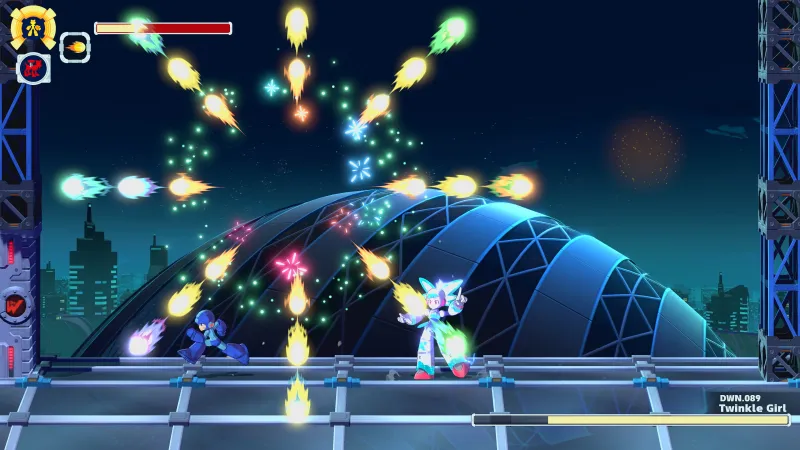
Among the bosses I played, I had the most trouble with Twinkle Girl, an exuberant performer who fires off exploding fireworks as a main attack, but does plenty of moving and dashing which also must be avoided.
The titular Dual Override ability allows players to build up a meter to activate some limited, extra firepower. I had it set to activate automatically when I reached a certain low health threshold, which I liked. It gave me a “one last shot!” feeling without reducing the challenge too much. Even if you’re shooting stronger blaster shots, your health is still low, so you still need to play defensively. In Dual Override mode, if you can charge your weapon up enough, you also can fire an even more powerful shot. I appreciated the Dual Override mode and definitely see myself activating it basically whenever it is available. I also appreciate that the flashy cutscene that plays when you activate it can be skipped.
I enjoy the core Mega Man games, and I walked away from Dual Override eager to see the rest and what kinds of new bosses it will offer. But my heart will always belong to Mega Man X. The last time we received a new mainline Mega Man X game was X8 in 2004. Mega Man may be celebrating 40 years, but I am commiserating 22 years of no proper new Mega Man X games.
“From my perspective, yes, that is something we would definitely love to visit,” series producer Izumi says when I ask not if one is being worked on or if there is anything to tease, but rather, if a new X game is something he would be open to at least considering. “Mega Man X is an important series within the Mega Man brand. We definitely value that series, and if there is a chance, we would always love to consider that.”