Bloober Team’s Switch 2 Exclusive, Onyx: The Dark Grip, Is The Most Nintendo-Sounding Game Ever

Onyx The Dark Grip Broken Mirror Games Bloober Team Nintendo Switch 2 Exclusive Release Date 2027

Platform:

Publisher:
Bloober Team

Developer:
Broken Mirror Games

Rating:
Teen

Bloober Team has been on a hot streak lately, bringing Silent Hill back into the positive-convo zeitgeist with its Silent Hill 2 remake in 2024, followed by another survival-horror hit last year, Cronos: The New Dawn (which is getting an action-focused DLC called Lazarus this year, too). All of this is on the heels of other Bloober games like The Medium and the team’s original Layers of Fear series. Regardless of how you feel about the Poland-based studio’s horror output, you can’t deny it stays busy, so it came as no surprise to see yet another new Bloober game revealed during a Nintendo Direct earlier this month. 

Dubbed Onyx: The Dark Grip, this 2.5D “dark adventure” game is launching exclusively on Nintendo Switch 2 sometime next year. After speaking with Bloober’s senior brand manager Dawid Podgorski, I’m convinced this is one of the most Nintendo-sounding games hitting the console in 2027, and that’s courtesy of a suite of console-specific gestures and mechanics that remind me of the Wii and DS era.  

Bloober Team CEO Piotr Babieno started selling Nintendo games at a local game shop 15 to 20 years ago, becoming one of the first to do so in Poland, where Nintendo hardware and software had barely entered the market. Babieno even organized the first Nintendo fan convention in Poland during the GameCube era, “so we’ve always had an idea to make something specifically for Nintendo,” Podgorski tells me, explaining Bloober’s Nintendo history. 

Podgorski works for Bloober, but Onyx: The Dark Grip is actually in development at the studio’s subsidiary Broken Mirror Games, which Podgorski says Bloober uses to “make a game we cannot make on our own.” Broken Mirror Games consists of Bloober specialists and external devs – it’s also behind the upcoming 3v1 asymmetrical horror game Saw: Genesis. Onyx: The Dark Grip could only exist as a Switch 2 exclusive, Podgorski explains, and that much is very clear after my quick 20-minute meeting. 

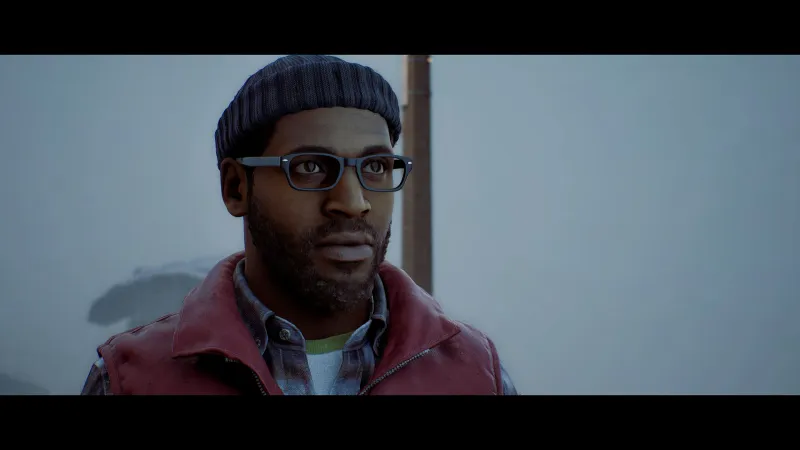
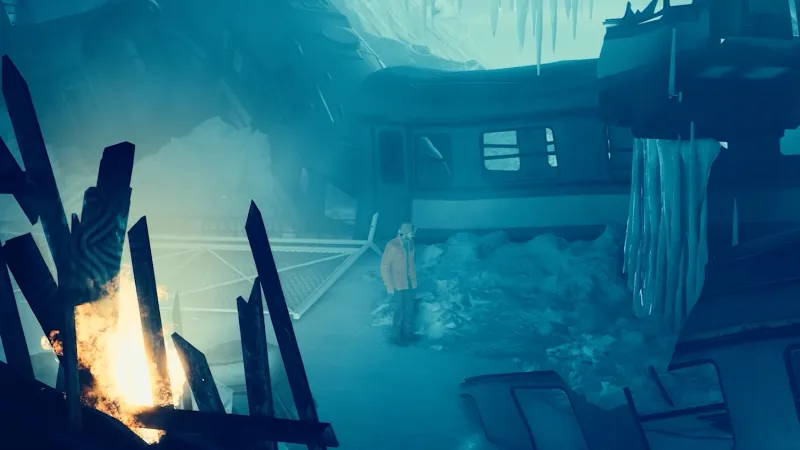
“Survive as the Vessel, Intervene as the Player” is the slideshow pitch for Onyx: The Dark Grip, and that’s because you possess Holden, a “regular guy” human whom you, as a god-like creature, need to find something. Onyx: The Dark Grip is set in a small, isolated town gripped by a relentless winter, based on Poland’s real-world Bieruń. However, curiously, Holden doesn’t know he’s possessed – he only feels that he needs to keep going (to where you drive him to) but has no idea why. 
Game Informer

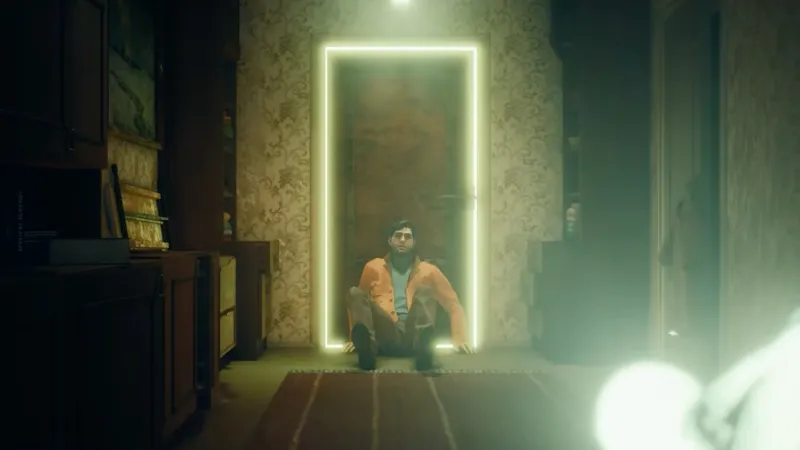
The game has been in development for three years and is an homage to classic Nintendo consoles and experiences found on the Wii and DS and other consoles like the PlayStation Vita, all of which uniquely took advantage of what the consoles could do. As the Vessel – Holden – you will explore the town, solve puzzles, and fight using melee and ranged attacks. Podgorski stops short of calling it a full-on horror game, instead calling it a “dark adventure” experience, but the reveal trailer suggests Onyx: The Dark Grip will, at the very least, be spooky. As the god, you will manipulate reality to accomplish what you need using Holden, and that’s where all the Nintendo-sounding things happen.

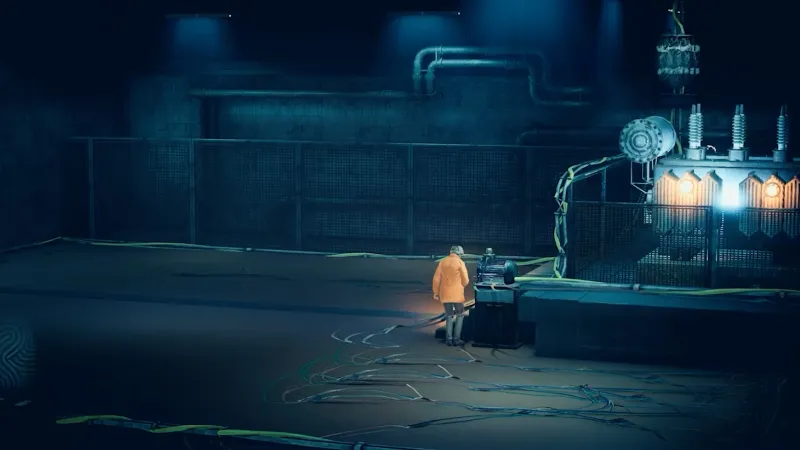
Players will use god-like powers to move things in Holden’s world, allowing him to progress forward; you will touch the screen with both thumbs to act as an electrical conductor for the generator Holden is interacting with in the game; you will have to whistle and blow into the microphone to make Holden warmer when he gets cold; and when Holden’s mental health is afflicted by terror and fear, moths will cover the screen, and you will need to swipe those away to clear the screen and Holden’s headspace. 
Game Informer

You can even read NPC minds as a god and put your own thoughts into their brains. Plus, you can use what is essentially a “Talk With The Dead” spell to learn key information from corpses in the town, and you can also swipe the screen to throw fireballs and start fires with sparks. Podgorski says your “Void” ability also lets you crush enemies emerging from beyond by tilting the Switch 2 back and forth using the built-in gyroscope. 

Podgorski emphasizes that you are not playing as the character on the screen, but as yourself too – the god of Holden’s world. And, like you with a Switch 2 in hand, Onyx: The Dark Grip’s god, as it were, will play with Holden’s world like a handheld game device, metaphorically. “Everything happening there is there, and you can intervene, but you are not there,” Podgorski tells me about Holden’s world. 

Game Informer

Inspirations for Onyx: The Dark Grip include Eternal Darkness (horror that breaks the fourth wall), Silent Hill (psychological instability and perception horror), Inside (2.5D cinematic clarity and restraint), Resident Evil 2 (pressure and pacing), and True Detective: Night Country (winter isolation and grounded dread). Polish composer and multi-instrumentalist Jan Borysewicz will back the adventure with a score recorded with the Prague Philharmonic Orchestra. 

That’s a lot to be excited about for Onyx: The Dark Grip, but I didn’t get to see the game in action; I only learned these things from Bloober’s senior brand manager (a point Podgorski acknowledged). That said, the premise is enough to keep it on my radar as we head into 2027. The more games that remind me of the Vita, Wii, and DS era, the better, and Onyx: The Dark Grip seems set on doing just that. 
Control Resonant Review – Fun, Frustration, And Fun Again

Game Informer

Reviewed on:
PlayStation 5

Platform:
PlayStation 5, Xbox Series X/S, PC, Mac

Publisher:
Remedy Entertainment

Developer:
Remedy Entertainment

Release:

The more things change in Control Resonant, the more of it retains the best traits of its predecessor, Control. An endearing new protagonist, Dylan Faden, joins several of the memorable allies that assisted his older sister, Jesse, in her 2019 adventure. Every new high-flying melee battle is complemented by the same fascinatingly bizarre stories centered around supernatural mundane objects, interdimensional entities, and the FBC’s strange bureaucracy that made the first game such a fun world to unravel. And like the game before it, Control Resonant’s storytelling highs are sometimes dampened by some design headaches. But even when Control Resonant stumbles (and at times frustrates), its world and story drew me back in, further cementing it as one of my favorite universes in gaming.

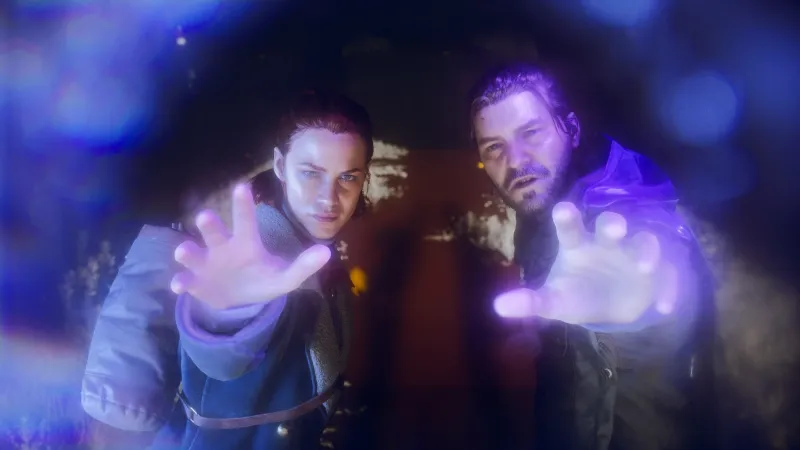
Seven years after FBC director Jesse Faden sealed the Hiss – along with herself, her allies, and many FBC employees – within the bureau’s headquarters, the Oldest House, a new, more devastating paranatural occurrence has bled beyond its walls. Manhattan has been distorted into a mind-bending version of itself that threatens the very fabric of reality. That the Hiss has escaped into the city and possessed many citizens who weren’t lucky enough to evacuate doesn’t help. Jesse has mysteriously left the FBC, leaving her supernaturally gifted and long-imprisoned brother, Dylan, to pick up the pieces. Thankfully, for a guy who spent years in a coma, he does a great job walking in his sister’s sizable shoes.

After he played the role of the possessed and tortured damsel in distress in Control, I’m impressed by how likable Dylan is in Resonant. His awkward, socially inept earnestness and drive to atone for past sins make him a softer and sympathetic lead – a nice juxtaposition of his power that causes many to vilify him as a monster – and I especially love his dynamic with his charismatic FBC handler Zoe De Veras. The duo’s entertaining choice-driven banter adds weight, levity, and humor to a wild story. I also enjoyed being reacquainted with returning favorites such as obsessed scientist Emily Pope and altered item supervisor Frederick Langston. I always looked forward to receiving a new message from someone or visiting them to learn details about the seven-year lockdown, Jesse’s hypothetical fate, and the evolving state of New York.

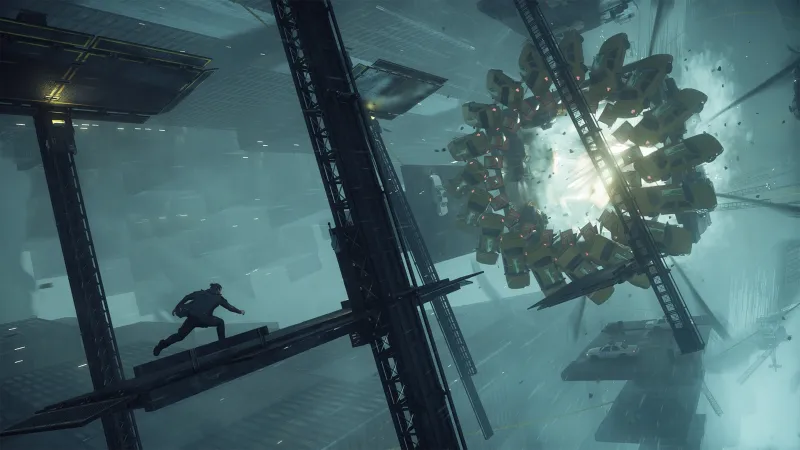
Cool moments, including surprising and even heartbreaking revelations, plus a few left-field mechanical and visual twists, prop up an overall strong narrative. Fascinating, often meaty sidequests also make good use of Resonant’s premise: ordinary citizens experiencing the paranatural for the first time. I was delightfully surprised by the variety of stories and gameplay in missions involving singing along with a malevolent karaoke machine, escaping a taxi-filled pocket dimension by solving “spot the difference” visual puzzles, or chasing down an FBC employee’s temperamental supernatural pet.

Game Informer

Exploring Manhattan’s open hubs for longer mission strings, such as uncovering a secret organization’s activities and completing abandoned FBC experiments, made me excited to bust into every identically designed laundromat, apartment building, and cafe. Unfortunately, these quests are accompanied by lesser, repetitive tasks like escorting trapped rangers or fending off enemy waves to protect assets. In a game with such well-crafted missions, these paper-thin tasks feel out of place and like obligatory additions to pad out the world. Thankfully, you can ignore these lesser jobs to little consequence, but you shouldn’t overlook every optional diversion, and not just because they’re largely good.  

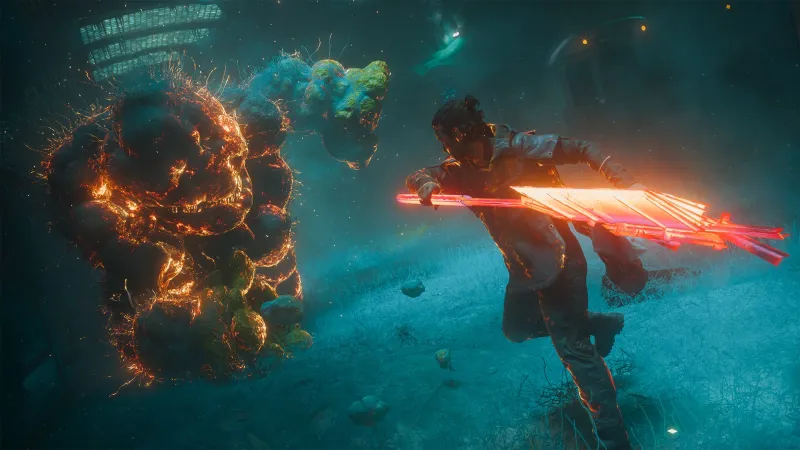
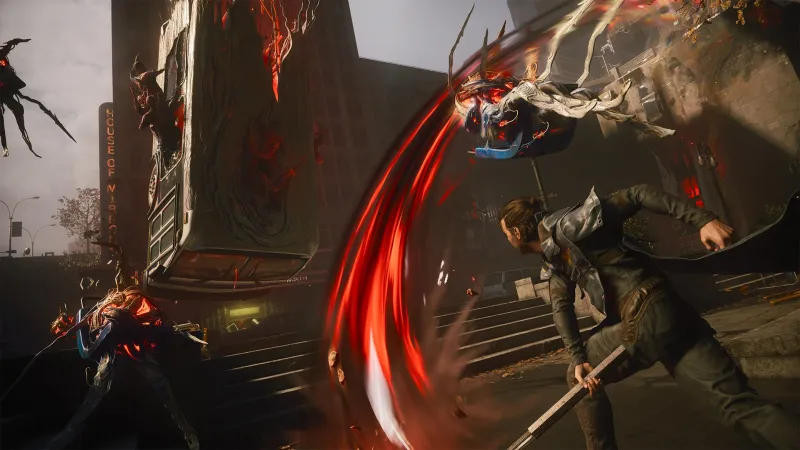
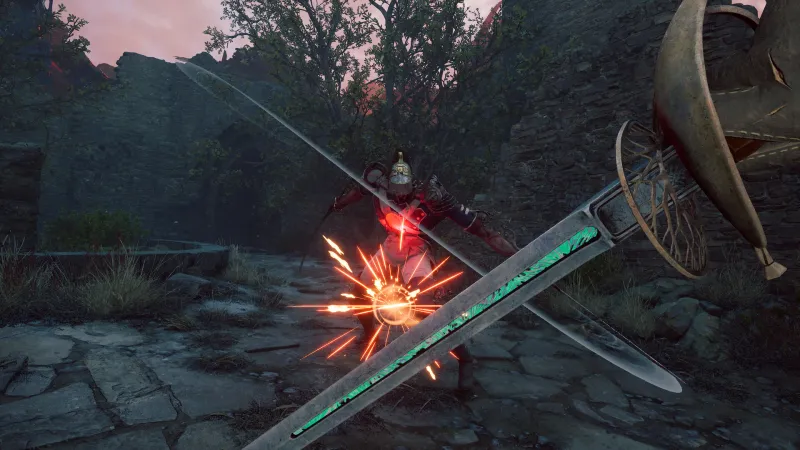
Control Resonant doesn’t politely suggest you complete its quests; it sternly demands compliance. Doing so strengthens you enough to survive the often overwhelming character-action-style melee combat encounters. Dylan wields a transforming weapon called the Aberrant, a fun upgradable tool that can morph into a one-handed axe, dual sword-like weapons, or a two-handed scythe. Each is entertaining in its own way and is accompanied by less fun, semi-useful sidearms, like a heavy axe or a weirdly sluggish whip. While the side weapons don’t feel as good or as powerful to handle, combo finishers add nice exclamation points to the otherwise basic attack combos. I like rocking foes with a barrage of reinforced punches, slicing them with a hovering spinning blade, or knocking them back using a giant glaive-like weapon. The unexpected star of combat may be Dylan’s swift perfect dodge, which always feels great to execute and chain into an attack.

Game Informer

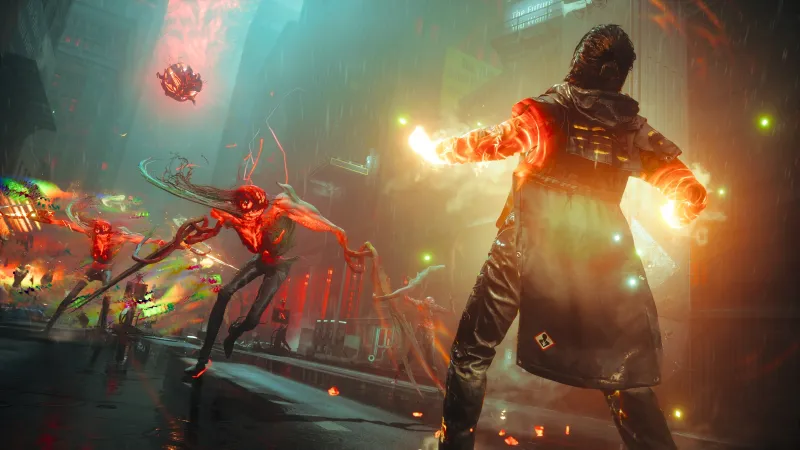
Combat begins basic and repetitive but becomes more mechanically interesting and strategic as you unlock new supernatural abilities. Igniting foes with explosive fire attacks, poisoning them using rapid-fire mold spores, summoning abstract entities to fight alongside Dylan, or simply force-pushing enemies into hazards and off ledges helps spice up the basic attack strings. Mastering these tools matters because Control Resonant can be an infuriatingly challenging game. Enemies often level alongside you, meaning you rarely overpower them. Unfortunately, this often means chipping away at sturdy health bars in large, wave-based battles that usually last longer than necessary. I’m also lukewarm on Resonant’s system of killing big enemies to win fights, as smaller foes respawn non-stop until their larger counterparts fall. While it adds enjoyable intensity at times, it can also make more challenging battles feel like lengthy wars of attrition. As powerful as Dylan is, I wish Control Resonant’s balancing eased up more often so I could fully experience the power fantasy it tries to present.

Boss battles against disturbingly distorted humans called Resonants offer entertaining, more evenly designed tests. I also appreciate how Remedy shook up encounters by introducing enemy types besides just variations of the Hiss, such as mold monsters and another faction I won’t spoil. While battles still eventually fall into repetitive territory due to how often you fight bands of baddies roaming Manhattan, at least there’s a deeper enemy pool to wade through.


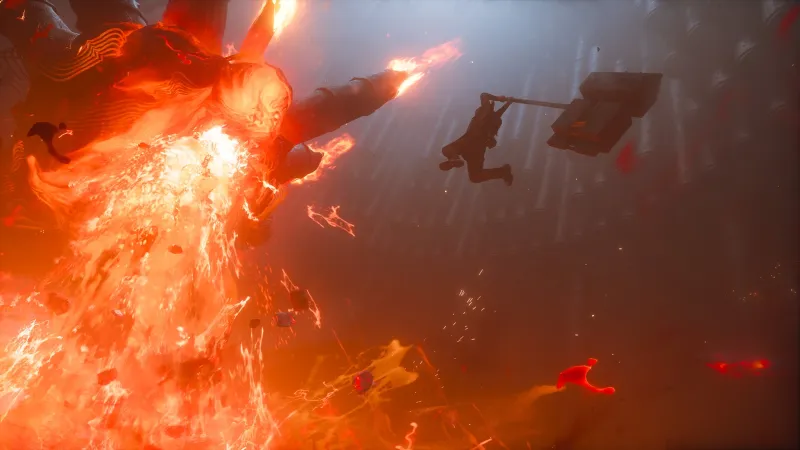
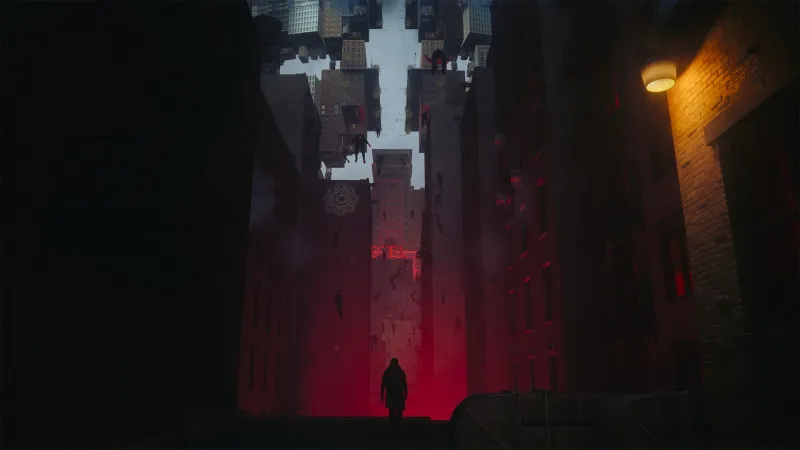
Despite being set in an open Manhattan, its structure resembles the Oldest House in the first game in that you must learn abilities and gain keys to access areas and expedite travel. The path to an objective isn’t always obvious, requiring careful observation to find obscure openings, but fun abilities like warping to rooftops or hovering across large distances make getting around a blast. Mind-bending imagery makes Manhattan feel like a surrealist painting in some spots and a sci-fi novel’s cover art in others, adding nice visual variety beyond standard cityscapes. However, navigating visually trippier areas that you can approach from multiple angles can be a tricky, headache-inducing proposition.

Despite my annoyances, they always faded as I bolted toward the next story mission or mysterious question mark on the map. Depending on how much you engage with Control Resonant’s offerings, it will either be an oppressive action game with great narrative beats and presentation or just a pretty tough action game with all the worldbuilding fixins. Remedy mostly nails its first attempt at stylish action, but the misses are apparent and disappointing. The remaining package has me eager to uncover every remaining secret even after rolling credits. As someone most excited to be awash in Control’s lore again, I’m glad that aspect of this sequel resonates most effectively.

GI Must Play

Score:
8.5

About Game Informer’s review system

Final Fantasy VII Revelation Will Let You Spec Into Different FITS Classes But Still Wear The Party’s Classic Outfits

Final Fantasy VII Revelation April 8 2027 Release Date PlayStation 5 Xbox Series X/S Nintendo Switch 2 PC

One of the bigger additions to Square Enix’s Final Fantasy VII Remake trilogy in the upcoming finale, Revelation, is the FITS system. This Function-Integrated Tactical Suitwear system allows players to spec Cloud and friends into four different “types,” which are basically jobs. There’s Warrior, Knight, Black Mage, and Summoner. The feature adds additional customization to Revelation’s already feature-packed combat (which also adds two new party members with Cid Highwind and Vincent Valentine), but it also changes how a party member is dressed. After going hands-on with Final Fantasy VII Revelation’s first chapter during Tokyo Game Show last week – read my preview here – I asked director Naoki Hamaguchi if players can still wear the team’s classic outfits. 

Game Informer

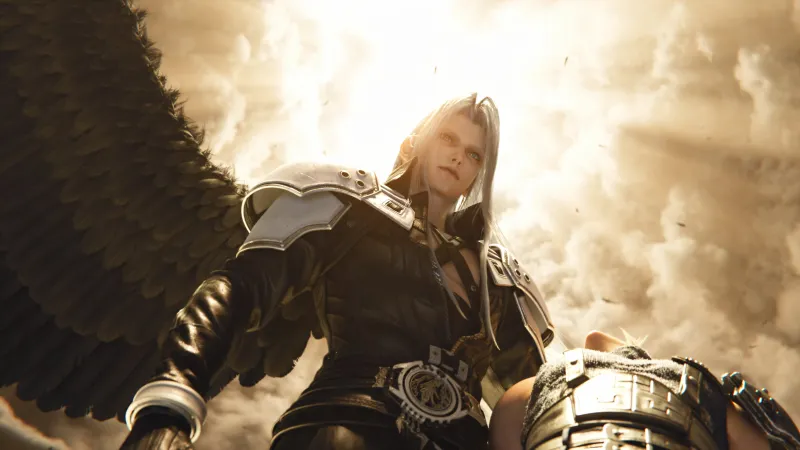
While I enjoy different costumes and outfits in games, if there is a canon outfit, I always prefer to wear it during big story moments. When fighting Sephiroth, I want Cloud wearing his classic Soldier gear – not the flowing dress outfit associated with a FITS type like the Black Mage, for example. Hamaguchi quickly quells my fears, telling me, “That was really important for us to keep.” 

“There are, of course, players who want to use all these different classes, but still want to keep Cloud and his signature look,” Hamaguchi says, explaining that this option will be available from the jump. 

It’s not quite clear whether it’s an official transmog system or just an option to turn FITS looks on/off, but it’s still great to hear I can take a Black Mage Cloud into a fight against Sephiroth while still wearing Cloud’s trademark Soldier gear. 

Game Informer

Final Fantasy VII Revelation hits PlayStation 5, Xbox Series X/S, Switch 2, and PC next year on April 8. 

In the meantime, read my Final Fantasy VII Revelation – Chapter 4 preview, and then check out my Final Fantasy VII Revelation – Chapter 1 preview. After that, read about how Final Fantasy VII Revelation will have four different performance modes on PS5 Pro. 

Final Fantasy VII Revelation Will Have Four Performance Modes On PS5 Pro

Final Fantasy VII Revelation April 8 2027 Release Date PlayStation 5 Xbox Series X/S Nintendo Switch 2 PC

I got hands-on with Final Fantasy VII Revelation at Tokyo Game Show last week, playing about 25 minutes of the game’s first chapter. You can read more about my experience during that preview here, including what’s happening narratively and my thoughts on the game’s FITS system, but I also spoke with Revelation director Naoki Hamaguchi about the PlayStation 5 Pro’s graphics settings available in this build. Before hopping into the game, I paged through the visual settings and noticed “Quality,” “Performance – Sharp,” and “Performance – Soft.” 

Game Informer

It’s clear Quality mode aims for the highest resolution and might run at a locked 30 FPS (though I couldn’t confirm that during my preview). The Performance – Sharp and Performance – Soft return from post-launch Final Fantasy VII Rebirth support, giving players options for how they want to experience 60 FPS gameplay on PS5 Pro. Similar to Rebirth, Revelation’s Performance – Smooth features a 60 FPS framerate with smoother, or softer, image quality, while Performance – Sharp features a 60 FPS framerate with sharper image quality. As for what that will look like in the final game, more testing beyond a 25-minute demo is needed, but the game was beautiful when I played it and ran at a consistent 60 FPS. 

Hamaguchi tells me players will see differences between these modes in things like hair, environmental detailing, shading, and more, however. 

On X during TGS, Hamaguchi posted that the PS5 Pro will leverage PlayStation Spectral Super Resolution (PSSR) to deliver a mode that features both 4K image quality and 60 FPS gameplay, though he didn’t say what it’s called. Unfortunately, I can’t recall seeing this option in the game’s settings – blame it on TGS memory or perhaps it wasn’t available in this preview build.

Game Informer

I should note that, because this build was playable on PS5 Pro, there’s no word on which of these modes, if any, will be available on base PS5, but if it’s like Rebirth, all three, sans the PSSR mode, will be playable. 

Final Fantasy VII Revelation launches on PlayStation 5, Xbox Series X/S, Switch 2, and PC on April 8, 2027. 

Final Fantasy VII Revelation Hands-On Preview – A Much Better Showing After A Disappointing Gamescom Demo

Final Fantasy VII Revelation April 8 2027 Release Date PlayStation 5 Xbox Series X/S Nintendo Switch 2 PC

Platform:
PlayStation 5, Xbox Series X/S, PC

Publisher:
Square Enix

Developer:
Square Enix

Release:

I played roughly 45 minutes of Final Fantasy VII Revelation during Gamescom 2026 back in August, and though the remake series’ prior two entries kept my excitement alive, I walked away from that demo disappointed. Set during Revelation’s fourth chapter, it was overwhelming, aimless, and lacking the moments that made Final Fantasy VII Remake and Final Fantasy VII Rebirth so thrilling, all while doubling down on the latter’s worst aspect: an overwhelming amount of content. I’m all for open-world games stuffed to the brim with things to do, especially in an economy where being a gamer is more expensive than ever, but I was hoping my first taste with Revelation would feature some of the stakes, mystery, and “Hey, the world is ending very soon” combat urgency I expect of this impending finale. While the Chapter 4 Gamescom demo didn’t, I’m happy to report that my second go at playing Revelation, this time during Tokyo Game Show last week, is exactly what I was looking for. 

Game Informer

I check into the incredible Final Fantasy VII Revelation booth, complete with multiple photo opps, including one that allows you to embrace your true Aerith, moments away from a certain backstab (my rendition is below – and don’t worry, it will haunt me forever that I got my hands wrong for the photo). I follow a Square Enix representative into a closed-off area buzzing with PlayStation 5 Pro consoles enclosed within walls featuring anti-Shinra posters celebrating the cast of Revelation. I’m given a Red Bull, Tifa’s drink of choice, I imagine, and a 25-minute timer is placed beside me. It begins counting down without warning, so I put a headset on, grab the DualSense, and jump in. 

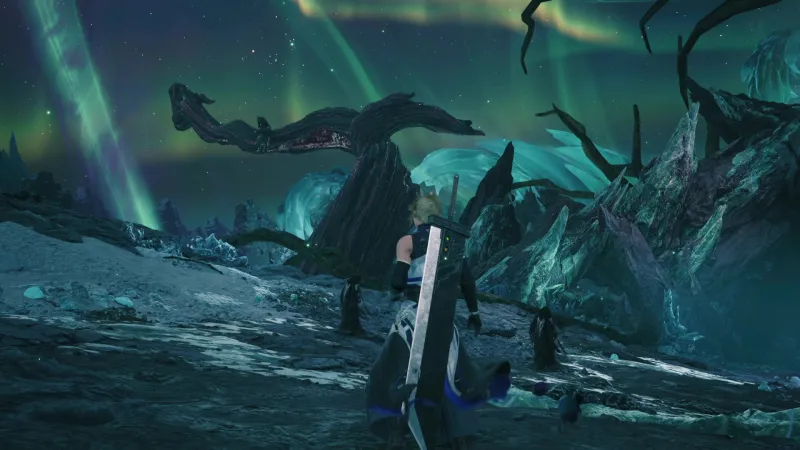
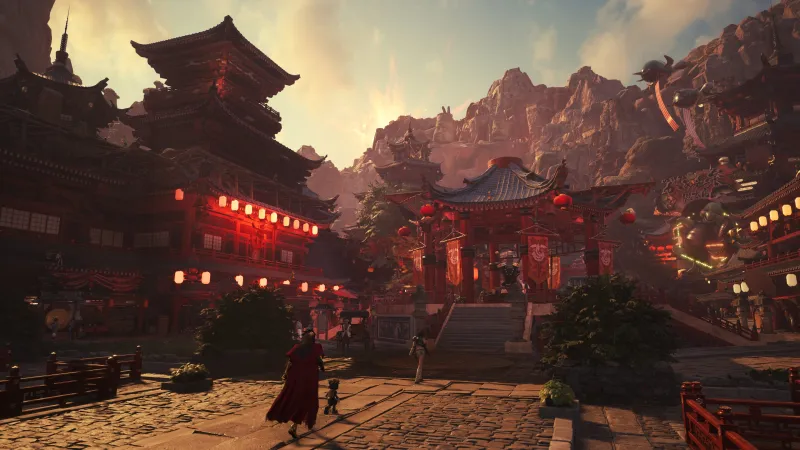
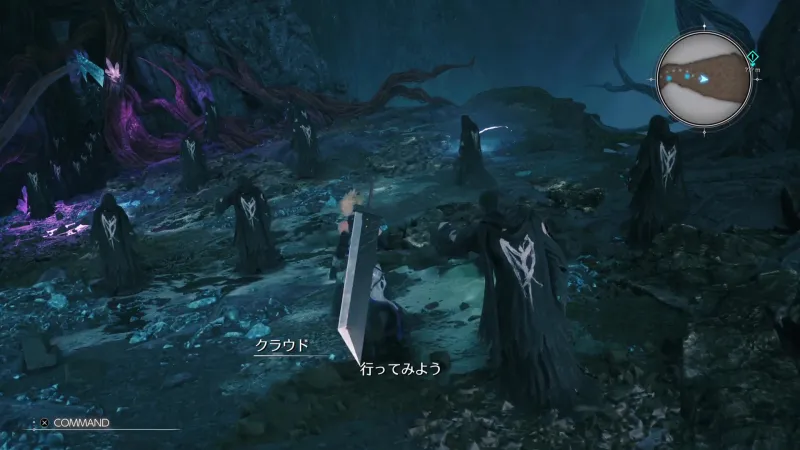
This demo takes place in Chapter 1, which sees Cloud, Tifa, Barret, Red XIII (or Nanaki as he’s now called), Yuffie, Cait Sith, Cid, and Vincent Valentine exploring the mysterious Northern Crater. This crater is where a meteor crashed into the planet thousands of years ago. The series’ trademark green spiritual energy swirls about, knocking the party around and bringing various black-robed figures walking about to their knees. Everyone is confused, especially Cloud, who is suffering from debilitating migraines that bring his progress to a halt; he’s also seeing visions of Sephiroth asking him for his Soldier number, which should be on Cloud’s bicep/shoulder but isn’t for… reasons. Of the party, Tifa recognizes that something is seriously wrong with Cloud but hopes that advancing to the crater’s core could make things right. There are some other story implications here, but I’ll keep those to myself for now; if you know, you know. 

Specifically, the party is working its way through the Whirlwind Maze section of the Northern Crater, where Sephiroth awaits their arrival. 

Game Informer

“The point of the two demos [the Gamescom Chapter 4 demo and the Tokyo Game Show Chapter 1 demo] is very different,” Revelation director Naoki Hamaguchi tells me on the show floor, as we’re tucked not far from a public bathroom to avoid the loud chaos of the event hall. “So with the last demo, we really drop you into the halfway point, and there’s just so much to do. And rather than focus on one specific thing, it was this idea that you have so much to do, and so much to fill your time with. People say it was sort of difficult to figure out what to do, but that’s almost the point of it, really. For this demo, it’s just 20 minutes; it’s solid; it’s focused; it’s about the story; it’s very focused on its purpose.” 

Beyond these narrative elements, this 25-minute Chapter 1 demo gives me a feel for Revelation’s combat and the new FITS (Function-Integrated Tactical Suitwear) system, which lets party members spec into different classes. There are four specializations overall: Warrior, Knight, Black Mage, and Summoner. In this demo, for example, Cloud uses the Summoner fit, which lets me summon Ifrit, Titan, and more. Meanwhile, Tifa is a Black Mage, so instead of the usual fist-throwing, I’m using heavy-damage spells to take down enemies made up of creatures that call the Whirlwind Maze home, like serpents, quadruped animals, and more. I dabble in combat with Cloud and Tifa before settling into Vincent’s kit, and after roughly 15 minutes playing as everyone’s favorite vampire, I struggle to see myself not relying on him heavily in Revelation. 

Game Informer

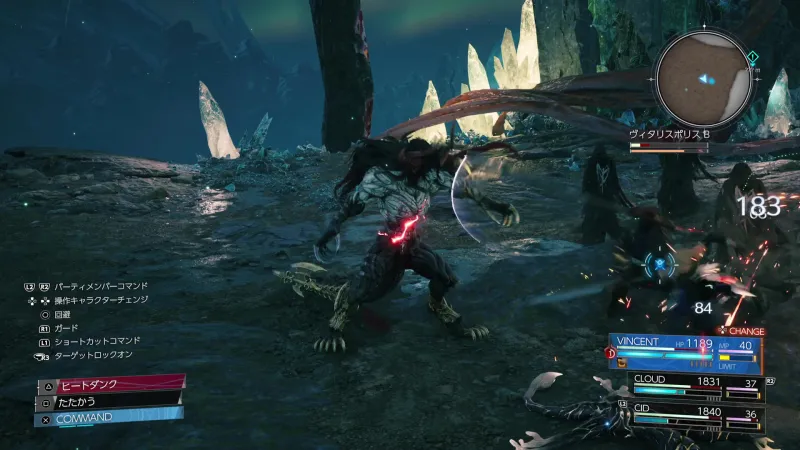
As regular ol’ Vincent, you use guns and a bunch of flips to damage enemies, and it feels great. It’s like a mix of Barret and Yuffie, but he can also freely transform into a monster by pressing R1. In this form, charging around the arena is easy and powerful, and this beast form emphasizes quick stagger abilities, a blessing in Revelation’s crowded battlefields. You can technically stay in this form as long as you’d like, but Vincent’s Chaos level rises the longer he does, reducing his HP. This creates a nice risk-vs.-reward tradeoff between beastly power and HP that I enjoy strategizing around. 

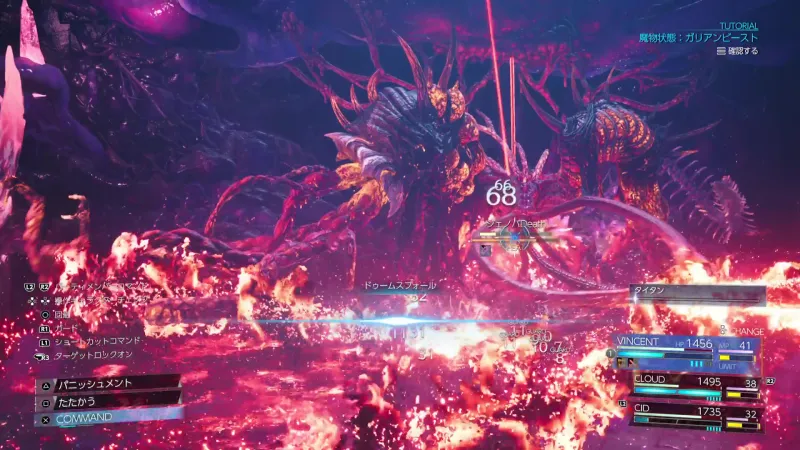
My demo closes with a fight against Jenova Death, a massive, twisted creature of flames, tentacles, pustulation, and chaos. It’s a huge boss fight, but before I can lay waste to it for good, my timer goes off, and the demo is over. 

Game Informer

Unlike my time playing Revelation at Gamescom, which left me exhausted after just 30 minutes, I leave this Tokyo Game Show reinvigorated by Square Enix’s vision for this remake trilogy. With Revelation launching April 8, there’s not much time left, but I look forward to the team further pulling back the curtain on what awaits Cloud and Co. in this finale. 

Sonic Team’s Hoshino Talks The Evolution Of Sonic Team, Taking Sonic From 2D To 3D, Seeing His Creations In Movies

Game Informer

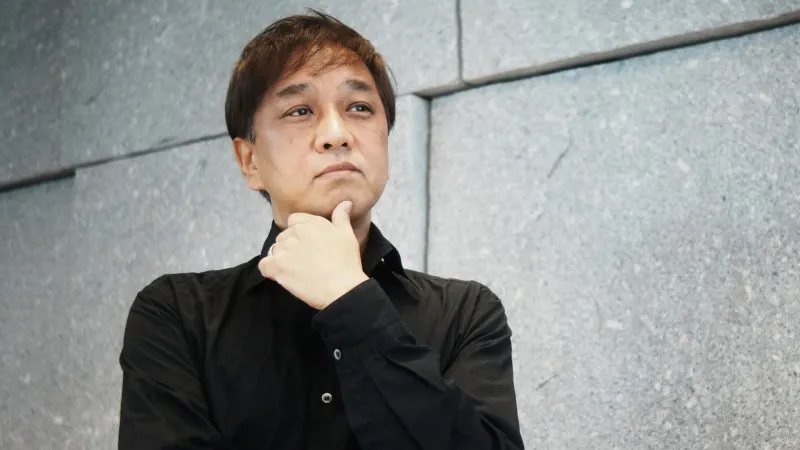
The Sonic the Hedgehog franchise turned 35 years old this past summer, and to mark the occasion, iam8bit is hosting a special 35 Years of Speed: The Sonic Art Exhibit across Seattle and Los Angeles this month. While the Seattle edition occurred earlier this month, it arrives in Los Angeles at ARK/8 this weekend. To mark the occasion, we sat down with longtime character artist and director for the Sonic series, Kazuyuki Hoshino, to discuss the exhibit and Sonic’s evolution over the years.

The event, set to take place in Los Angeles this weekend, features original art from more than 30 artists and aims to create a “fan-built visual compilation of the Sonic Universe” by telling Sonic’s story through key scenes reimagined by the artists. The artist submissions were selected via criteria that equally weighed theme adherence, creativity and originality, technique and execution, and visual and emotional impact. 

“Everybody knows that it’s Sonic’s 35th anniversary, and because of that, there are various histories of Sonic, and a lot of people throughout the ages who have enjoyed Sonic,” Hoshino says. “This gallery is our way of showcasing his history and everything. There’s a lot of obvious Sonic fandom and there are a myriad of talented creators that I’ve worked with in the past, so this gallery is to showcase the various arts by all of these creators and artists to celebrate Sonic.”

Kazuyuki Hoshino

Kazuyuki Hoshino

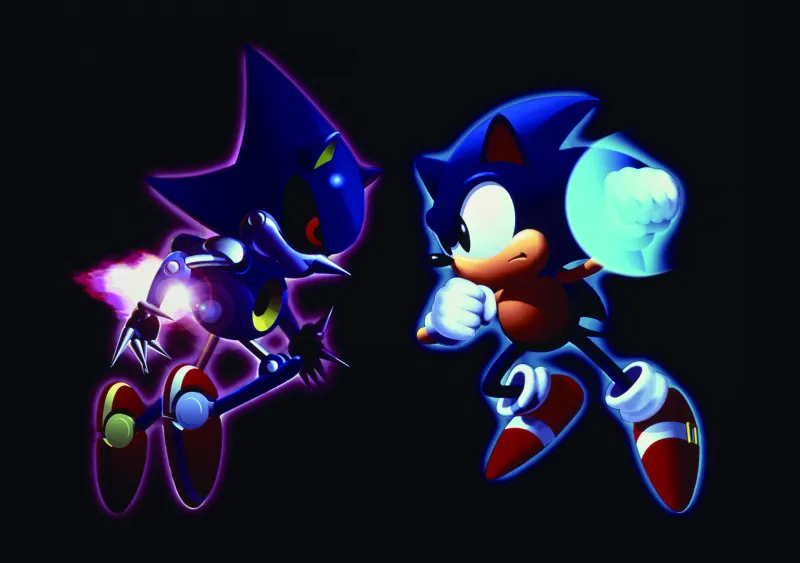
Hoshino joined Sega in 1991, right as the Sonic the Hedgehog franchise was taking off as not only Sega’s new mascot, but also one of the most recognizable faces in entertainment. The Blue Blur and the company behind him were in the midst of challenging Nintendo for the gaming throne, and Hoshino’s first Sonic-related project was meant to widen the gap in the technology Sega was using. Though released after Sonic the Hedgehog 2 (developed by Sega Technical Institute), Sonic CD was more of a successor to the first Sonic game. Hoshino, for his part, designed Amy Rose and Metal Sonic, two characters who still appear in Sonic games to this day. 

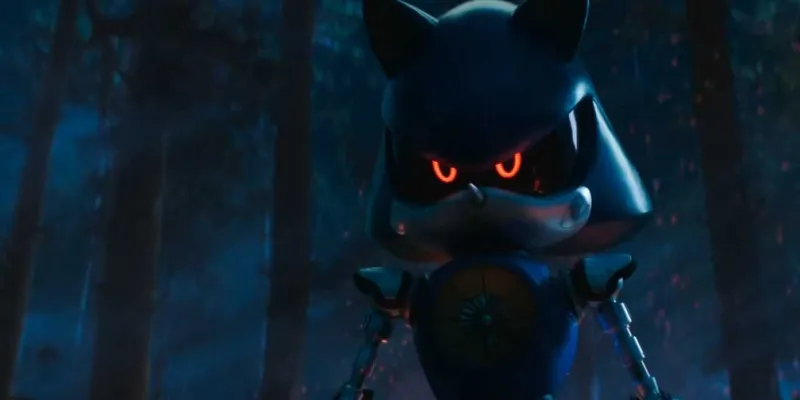
In 2027, those two characters will take another big leap forward, joining Sonic, Tails, Knuckles, and Shadow (who Hoshino also designed) on the silver screen. And though he becomes slightly cagey when I mutter the words “Sonic the Hedgehog 4” – and not even in relation to the poorly received 2010 and 2012 games – Hoshino clearly brims with pride when discussing seeing his creations on the silver screen. “I’m just super excited, and there’s nothing more happy and more pleasing for me than seeing them on a Hollywood big screen,” he says. “The voiceover for Shadow was done by Keanu Reeves, one of my favorite actors, so to be able to have Keanu voice a character that I created… I couldn’t be a luckier man to be a part of that and have him voiced by somebody like Keanu. For the next movie, you’ll see Amy and Metal Sonic on the screen, and obviously not only will you have fans watching the movie because they love the game, but I’m assuming there will be people watching the movie even though they’ve never played a Sonic game before. […] And so, if anybody who’s never even touched or known about these games sees the movie and says, ‘Hey, I love this character now,’ and to see them love my characters from that, that’s something that… it’s a priceless thing to know.”

Game Informer

And speaking of Shadow the Hedgehog, Hoshino collaborated with Takashi Iizuka, the head and creative officer of Sonic Team, to create the character. Iizuka joined Sega around when Hoshino did, with his first work on the Sonic franchise coming through quality-assurance work near the end of Sonic the Hedgehog 2 development, which took place largely in the United States. When Iizuka returned to Japan, they started putting the pieces in place for the earliest version of what we now know as Sonic Team. But with a relationship stretching back that far, I was curious how Hoshino’s collaboration with Iizuka has evolved through the years, particularly as they both rose to prominent roles within the Sonic development team.

“I worked on Sonic CD while Iizuka-san worked on Sonic 2, and when Iizuka-san came back to Japan, we created this whole new Japan team to create a new Sonic Team, and our entire motivation was, ‘Let’s make Sonic a force for Sega that would be a great success,'” Hoshino recalls. “While our positions are different as a game designer versus a character artist, as the years went by, our positions as we both went up the ladder in our careers, you know, becoming directors in our respective titles, we both also started to take on leadership roles, and so there were a lot of changes and evolutions on that. I’ve had a lot of fun working with him this entire time, and one of the things that was the difference during the 2D age was that the project members, or the number of staff for the 2D games was very small. We had small teams, so the contribution or influence of each individual person was big. It was kind of like a band, if I were to make an example: It’s like a band where we have a new guitarist and, ‘Whoa, that’s going to totally change the sound of this band!’ So everybody’s contribution was significant.”
Game Informer

But as times changed and gaming technology evolved, Sonic Team also changed and evolved, leading to less frequent direct interactions between Hoshino and Iizuka. “When it became the 3D age, it became more of a mass production, but we had more members of the team, and so Iizuka-san and I both had a group on our team to lead,” Hoshino continues. “So, yes, we did work together, but we had to lead our own teams separately. So, as our careers went up, we still continue to work together, but kind of separately on everything. And yet, I believe I know what Iizuka-san is thinking because of our history working together. We’re both part of the Sonic family, and I believe that Iizuka-san is a reliable leader who, despite what the higher-ups may say to go in a certain direction for Sonic, our motivation is to make something that is fun and what we want to make for Sonic that is appealing to the fans. I know because of our history together and how long we’ve worked together what he’s thinking. ‘Maybe he’s feeling a little down right now,’ ‘Oh, he’s excited about something!’ I kind of basically know what he’s feeling because of our big history together. It’s such a great collaboration working with Iizuka-san.”

And that transition from the 2D age to the 3D age shifted in more ways than just the team size and composition. While Sonic Team had a notoriously challenging transition from 2D to 3D over the long term (read more about that struggle here), thanks in large part to the sheer size of the areas that needed to be created and unnecessarily tight deadlines, the artist and character designers faced very unique challenges, as they were required to rethink how to depict iconic characters. “Sonic’s a really fast character, so we spent all this time making this huge, long, elaborate map, and then we’d run through it in like 10 or 15 seconds,” Iizuka told me in 2016.

Game Informer

“2D to 3D was definitely a big transition,” Hoshino says. “When it was 2D, you could basically see Sonic’s side, the characters’ sides, and you can basically see their front and whenever they have an expressions, you saw their expression. But once we transitioned to 3D, there was depth, so you see different angles of this character. You see the backside of Sonic when he’s running away from the camera. Sonic has a big head, and in the original 2D, his hands and feet were disproportionate, and so [in 3D] his hands and feet sometimes would be hidden because of his big head. So one of the big things we had to do was to change Sonic’s proportions to make his limbs a little longer and his hands and feet a little longer so they show up. And then, any actions that he does in the 3D would still be dynamic and awesome and cool-looking.”

But the leap to 3D also meant more intensive work for the art team as they transposed their art from 2D to 3D through the new polygonal assets. “In 2D, it was in dot-pixels and all you had to do was just color in the pigments and you have a picture; when it became 3D, it became polygons, so we had to use new technology and new equipment to create these characters,” he says. “So we had to create different dimensions and different angles of these characters that we’ve never seen or had to create before when it was during the pixel days. Because of that, there were a lot of talented designers who were only used to the 2D designs. We had to have an overhaul of the designers to keep up with this new design and new art form, to keep up with the new technology.”

Game Informer

Today, Hoshino is creative director at Sonic Team, overseeing several endeavors in parallel. Though his role has evolved through his decades-long tenure at Sega, the art of Sonic has remained very close to his heart. And now, fans can witness art from across Sonic’s many eras, including art contributed by fans. “I always check social media every day to see what the fandom does and how they feel about Sonic,” Hoshino says. “I feel very excited to know that the fandom enjoys everything that is Sonic, and then see how that gets applied for their own content creations.”

This brand initiative is a part of Sega’s larger celebration of Sonic’s 35th anniversary, which has included various brand collaborations, special anniversary-themed cartridges of Sonic 1 and Sonic 2 (another part of Sega’s partnership with iam8bit), the release of Sonic Frontiers: Definitive Edition, a Chaos Hunt real-life scavenger hunt, and new dates for the official Sonic the Hedgehog music tour, Sonic Live in Concert. 

The iam8bit 35 Years of Speed: The Sonic Art Exhibit opens on September 26 and runs through September 27. It is free, but attendees should register through Eventbrite.

Xbox Lays Off 268 More People, Hands Halo Series To Activision

Game Informer

Earlier this year, Xbox performed a massive wave of layoffs, eliminating 1,600 roles and sharing that more cuts would come soon. Today, those cuts have come: Xbox has announced it is laying off 268 roles across its first-party studios, XGS management, and central functions layer. Halo Studios in particular has been significantly impacted, and today’s announcement states that Activision will take over development for the next Halo title.

The news broke via an Xbox Wire post called “Continuing Our Reset,” by Xbox executive vice president and chief content officer Matt Booty. It makes three major points. First, it lays out the layoffs and says the company is “roughly three-quarters of the way through previously announced restructuring.”

Next, he announces some internal studio restructuring. Activision will expand its remit to World’s Edge (known for Age of Empires) and Rare (known for Sea of Thieves), and a new team will be created within Activision to develop the next Halo title. Meanwhile, a “small team at Halo Studios will continue supporting the Halo community and games in-market.” This last part is huge news – the makers of Call of Duty are now also in charge of Halo. It’s perhaps the clearest example of how massive studio mergers can ultimately stifle competition – the two series hailed as the pillars of the first-person shooter are now being made under the same roof.

Other studios are also getting shuffled around. You can read Booty’s breakdown verbatim below:

  • Bethesda will expand its remit to include Obsidian, which will continue its current projects, including Grounded, as well as the new Fallout project made in collaboration with Bethesda Game Studios.

  • King will expand its remit to include Microsoft Casual Games, uniting our two global leaders in casual game design and live operations.

  • Playground and Turn 10 will come together as one studio focused on the Forza and Fable franchises. These two studios have been creative and franchise partners for over a decade, and today’s changes will formally move their work into one team.

The final note details Xbox’s studio divestitures, which it announced a few months back. Compulsion and Double Fine have officially spun off to run independently, and Undead Labs has a deal with a new publisher, but will still release State of Decay 3 on Game Pass when it launches next year. On the other hand, “two separate agreements for Ninja Theory fell through,” and Xbox will begin consultations on a proposed closure. Arkane is in a similar position, though Booty says those consultations are expected to last “through the end of the year.”

The news is unfortunate across the board, but the cuts to the Halo team are especially impactful. Halo: Campaign Evolved was one of our most recent cover stories, and we enjoyed the final product at launch, but it seems to have done little to hold off Xbox’s all-encompassing waves of cuts. Meanwhile, Halo’s original creators at Bungie also laid off “most of” the Destiny 2 team, though Bungie also recently announced plans to bring back vaulted Destiny 2 content.

Bungie Announces Plans To Restore Vaulted Destiny 2 Content And Substantial Reworks To Marathon

Marathon

It’s been a few months since Bungie ceased active development of Destiny 2, bringing the game’s nine-year lifecycle to an abrupt end and angering many players in the process. Bungie has heard and responded to this outcry by obliging one of the biggest fan requests for Destiny 2. The studio is also sharing plans to evolve its well-received but tepidly performing extraction shooter, Marathon. 

In a developer video and studio blog post, Bungie studio heads Poria Torkan and Josh Deane acknowledge the fanbase’s resentment and plans to earn back player trust. 

Bungie has been creating games for over 30 years and we have welcomed the communities that have formed around them. Over the last few years, we lost sight of that, and there have been real consequences. We lost trust, we lost incredible colleagues, and we lost sight of what we should be prioritizing most, our players.

As a new leadership team, we must own that.
We aren’t just listening to feedback, we understand your disappointment. We are not asking you to trust what we say today. We know that trust must be earned through the quality of our games, the decisions we make, and how consistently we show up for our players.

To this end, Bungie plans to restore Destiny 2 content archived in the game’s digital Vault. This means vaulted campaigns, destinations, and raids will become available for all players again. “We understand that removing these experiences had a lasting impact on player trust and enjoyment of Destiny,” reads Bungie’s blog post. “Destiny 2 is more than just the content itself. It is a place where players have built memories together, formed lasting friendships, and shared experiences that have stayed with them for years. We cannot change the decision we made, but we can acknowledge its impact and do the work to make it right by restoring these important parts of Destiny’s history.”

However, Bungie notes that years of updates to Destiny 2 have fundamentally changed the game, so bringing back vaulted content will require work to make them compatible with the current version of Destiny 2. For example, vaulted content will require updated lighting, combat encounters, combatants, and other renovations, which Bungie explains will take time. The studio promises to keep players updated on its progress in the coming months.

Bungie states unvaulting content is “the first step to lay the foundation for how we reforge into new stories and games that you all deserve.” Whether this takes the form of Destiny 3 or other projects remains to be seen, but the studio is not walking away from this universe just yet. 

As for Marathon,  Bungie reiterates that while the game is an important part of its future, it was never meant to replace Destiny 2. The studio acknowledges Marathon “did not reach as many players as we had hoped” and that it needs to evolve. To this end, it has announced plans to expand it to “a deeper survival experience.” 

“Through the remainder of Marathon’s first year, we will continue strengthening its combat, world, and competitive tension while giving players more agency in how they engage with the game,” Bungie says. “That means creating meaningful experiences whether you prefer cooperative PvE, competitive PvP, or the unpredictable tension of Marathon PvPvE.”

Bungie states it wants to work with the community to improve and expand Marathon to fit several playstyles. It also states it still has many things planned for the October Nightfall Refresh and December Symbiosis updates. More updates regarding Marathon will be shared later this week. 

2026 has been a challenging year for Bungie. Marathon arrived in March to a generally positive critical reception (here’s our review), but as Bungie acknowledges, it has not retained the player numbers the studio hoped for. This has only intensified following the end of Destiny 2, as some fans blamed Marathon’s existence for the studio moving on from Destiny 2. To make matters worse, with Destiny 2 coming to an end, Bungie laid off most of that game’s development team. With Bungie addressing these realities head-on, it will be interesting to see if these proposed updates bring back lapsed fans of both games. 

Valor Mortis Preview: Uneven Difficulty Balance Mars An Otherwise Great Soulslike So Far

Valor Mortis October 13 Release Date First Person Soulslike One More Level Action Ghostrunner Preview Images

Platform:
PlayStation 5, Xbox Series X/S, PC

Publisher:
Lyrical Games, One More Level

Developer:
One More Level

Release:

Rating:
Mature

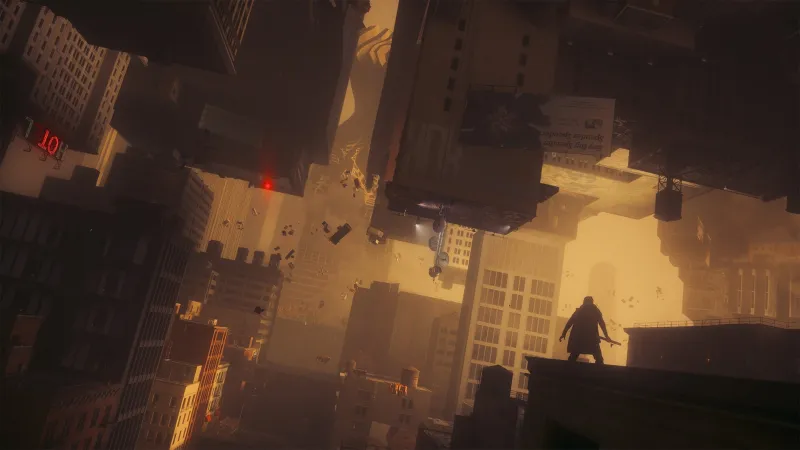
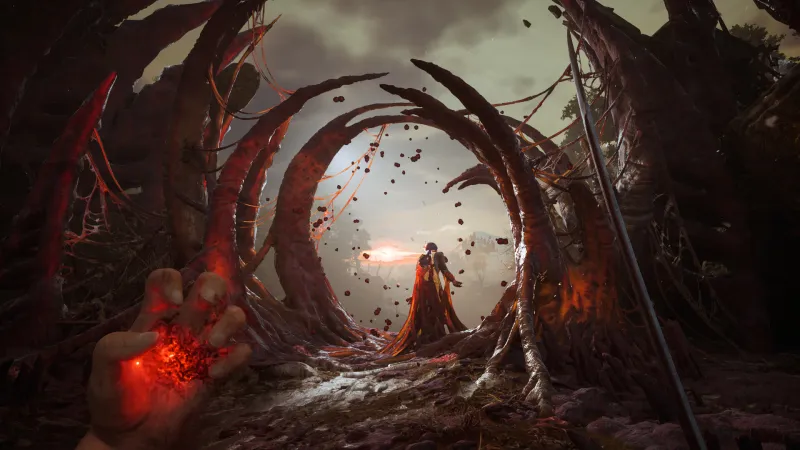
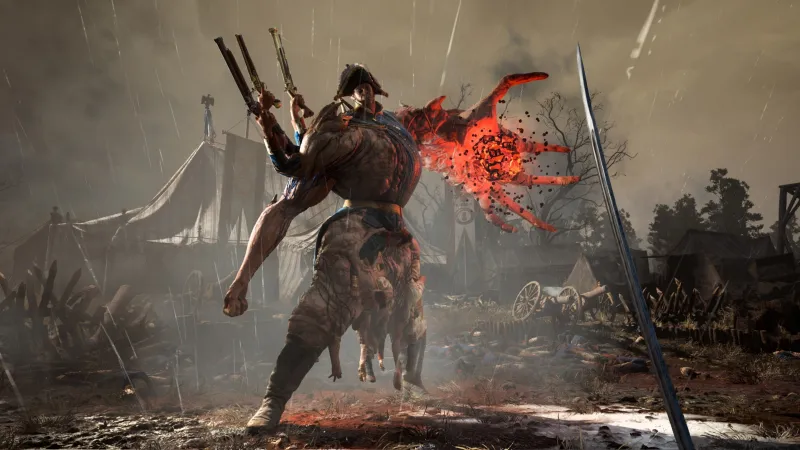
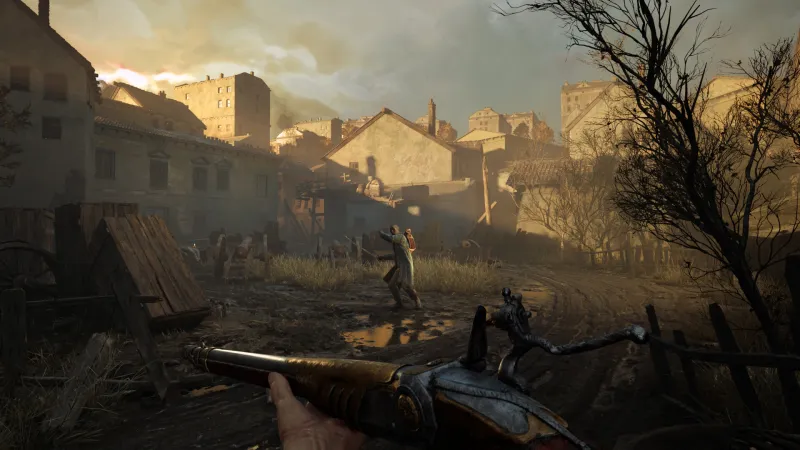
Valor Mortis is the next game from One More Level, the studio behind the Ghostrunner series. As a massive fan of those two cyberpunk parkour-action games, I’ve had my eye on Valor Mortis, the team’s first-person take on the Soulslike formula, since its reveal last August. When I played it last year, I was shocked by how well OML’s trademark first-person action translates into a slower, more deliberate Soulslike, given that the best action games in this sub-genre are typically played from a third-person perspective. Now, I’ve put more than 15 hours into a preview build of Valor Mortis, playing through its first four chapters, dying a lot, defeating bosses, meeting new characters, and learning more about why the deceased Napoleon Bonaparte is in my head talking to me while I acquire more and more supernatural powers. 

I’ve enjoyed most of what I’ve played, but – and this is unfortunately a big but – the difficulty balance in Valor Mortis is incredibly uneven, and key moments, like chapter-ending boss fights, are spoiling what should otherwise be fun climactic bouts. There’s no rhyme or reason to the balance of Valor Mortis, and it made for an often-frustrating experience in a game I can tell has the Soulslike juice.

Game Informer

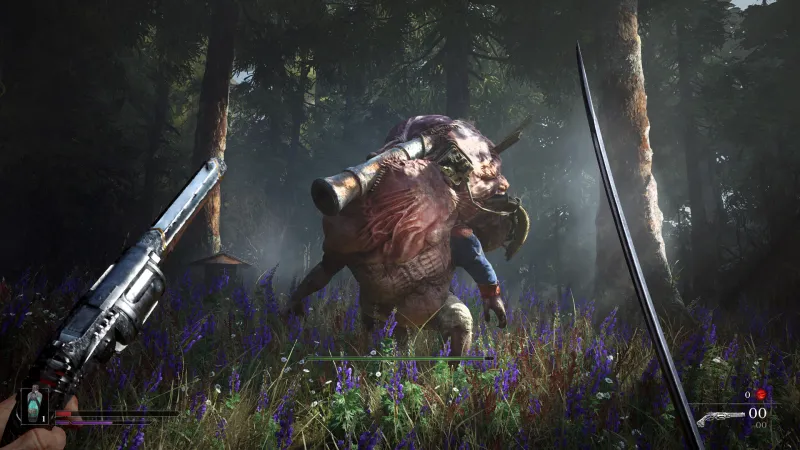
This boss killed me probably 30 times

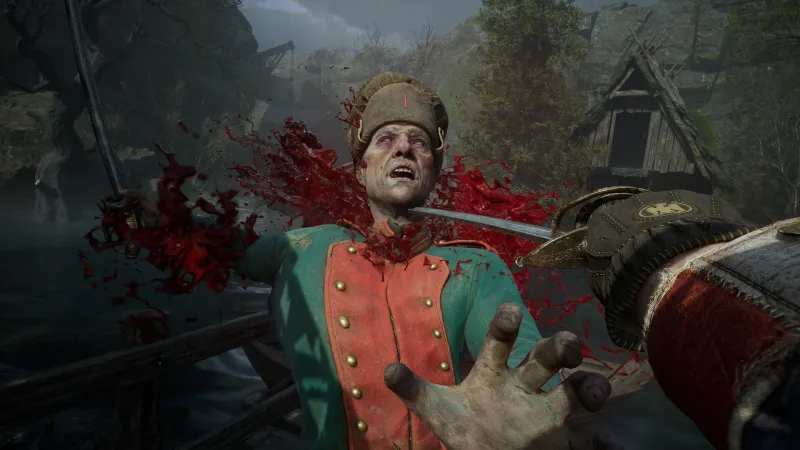
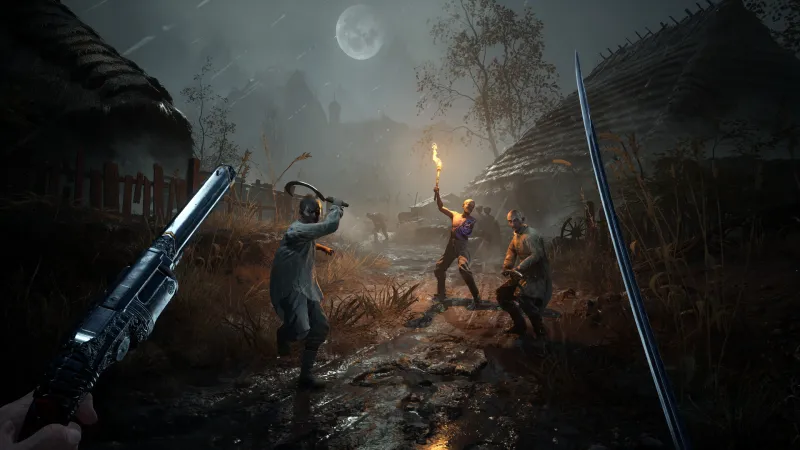
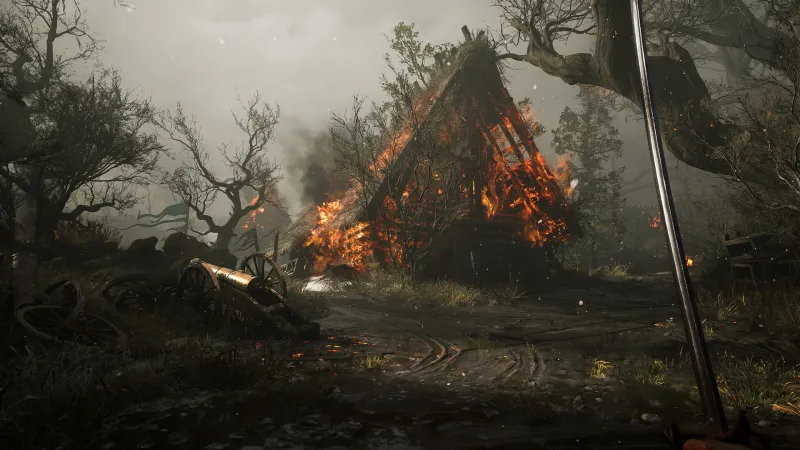
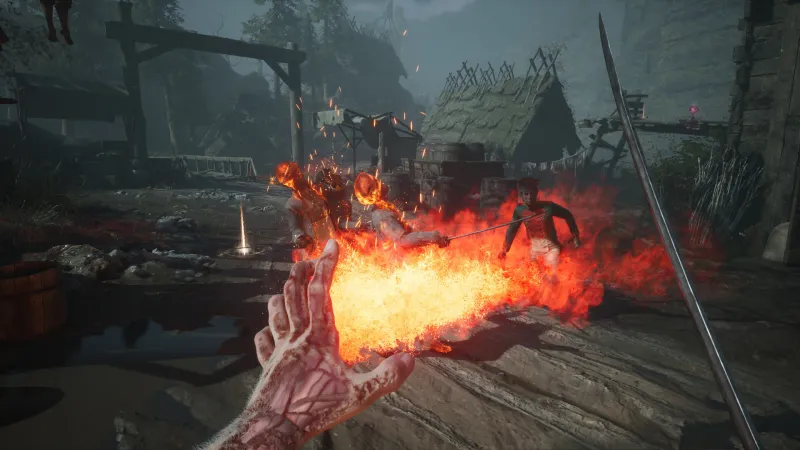
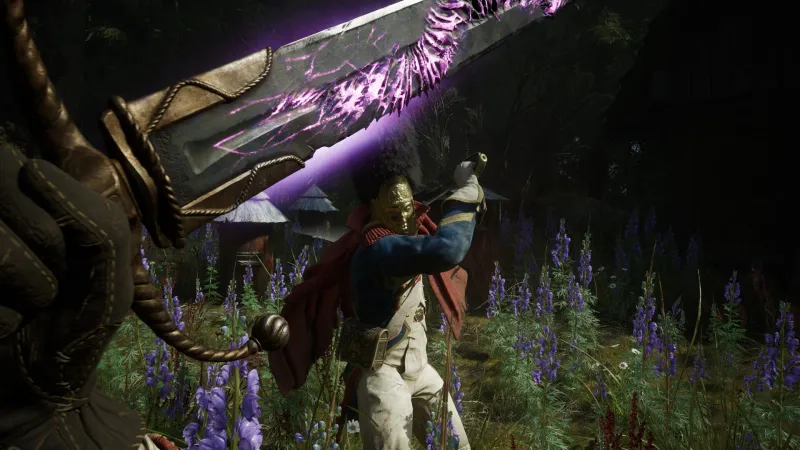
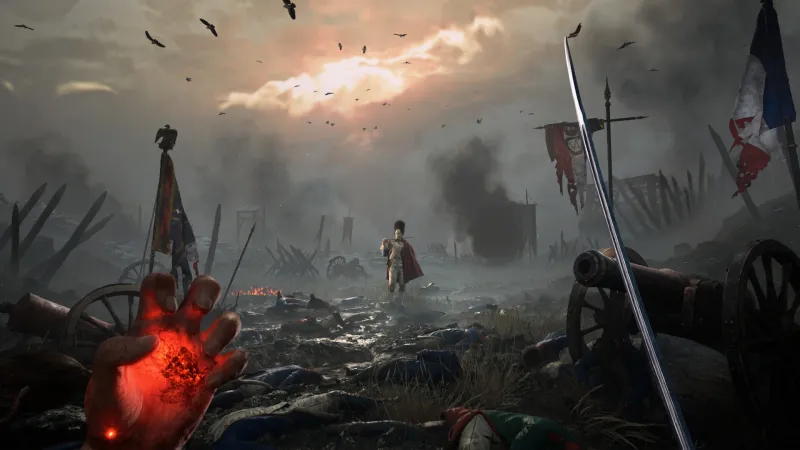
After dying in the game’s opening, protagonist William wakes up, unsure of what’s going on or why Napoleon is talking to him, seemingly telepathically. He marches forward, looking for answers amongst the decrepit trenches, battlefields, abandoned buildings, and torched villages as to what’s going on, and along the way, he sucks up mysterious powers that imbue him with flames, time-freeze abilities, and more in his right hand. These powers are especially helpful because many enemies are weak to fire, and you can easily stun them by filling up their burn gauge; the same can be said for William’s time-freezing power, which allows him to hit an enemy for massive damage when all their freeze gauges are filled. It’s an enjoyable BioShock-esque set of powers that complements his ranged guns and various swords. I like that the saber is great for general damage and blocking, while the rapier uses stabs to target weak points with heightened parry stagger (at the cost of not being able to block), and I’m excited to see what other weapons will fill the weapon wheel that teases me with multiple unused spots. 

The environmental design is smart and beautiful, with just enough explorable side passages to keep moving through these large spaces enjoyable – quick puzzles along the way keep my brain engaged outside of Valor Mortis extra-difficult combat. While the French countryside and post-battle battlefields aren’t anything unique in video games, One More Level has painted these otherwise unremarkable settings with otherworldly growths, formations, and more. The result is a Remedy Entertainment-esque spin on 18th-Century France that remained a delight throughout this demo’s 15-hour runtime. And, given the preview demo ran me roughly 15 hours, I suspect there’s a lot more game left in the final build of Valor Mortis. 
Game Informer

Despite loving what I was playing, the spectre of uneven balance hung heavy over everything, perhaps a testament to the bones of Valor Mortis. I recognize this is a Soulslike, but the difficulty seems way off. I’m no Soulslike scrub, either; I quite enjoy the genre (and if we’re talking credentials, I have the Platinum trophy in Sekiro: Shadows Die Twice, and trophy hunters know that is no easy feat). But when a boss can wipe out basically 60 percent of my HP, even after upgrading my health as much as possible at this point in the game, what should be fun tests of combat prowess become a demand for perfection, and that’s a problem. Soulslike fights are about learning the enemy, recognizing patterns, and countering with your own moves – but these bosses often hit so hard that actually surviving long enough to learn how they move, react, and counter felt impossible. I probably died more than 100 times to bosses in this 15-hour demo alone.  

That difficulty imbalance extends to some mob enemies in the game, too, and I dreaded seeing certain enemies in my path because, despite being a nameless regular ol’ enemy, I knew I had what was basically a mini-boss ahead of me. I like mini-bosses, but I don’t like seven of them in one chapter. 


Still, though, even when getting absolutely walloped by enemies, I kept pressing continue at the You Have Died screen. Valor Mortis is shaping up to be a great game thanks to its strong foundation and mechanical bones, One More Level’s unique visual design, and an interesting narrative-forward adventure atypical for the Soulslike genre. However, I worry that without some last-minute touch-ups to the game’s difficulty balance, Valor Mortis could prove to be more annoying and frustrating to play than anything else, marring what might be a genuinely great action game. Valor Mortis launches October 13, so there’s still time for tuning, and I hope it happens. 

Silent Hill: Townfall Review – Addressing The Trauma

Game Informer

Reviewed on:
PlayStation 5

Platform:
PlayStation 5, PC

Publisher:
Konami, Annapurna Interactive

Developer:
Screen Burn

Release:

Rating:
Mature

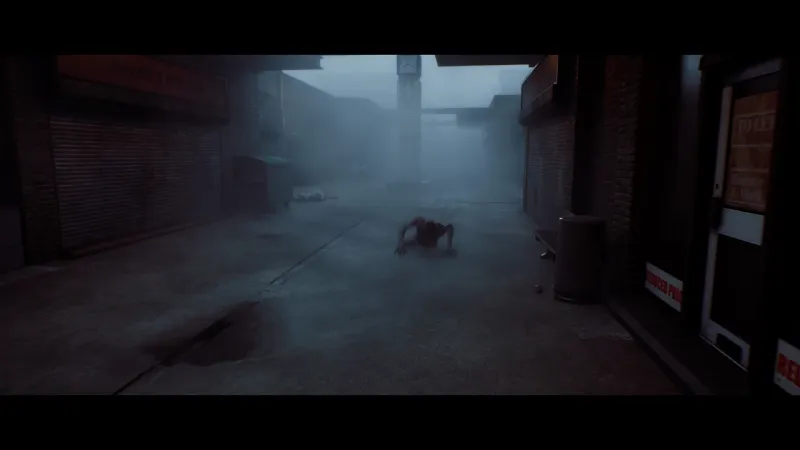
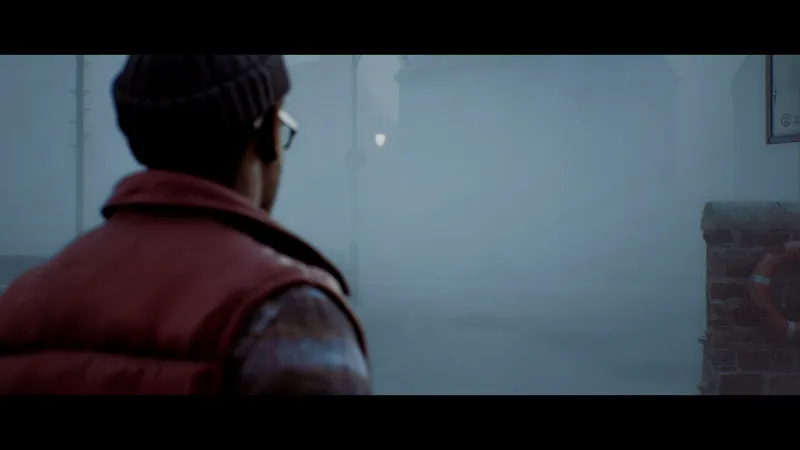
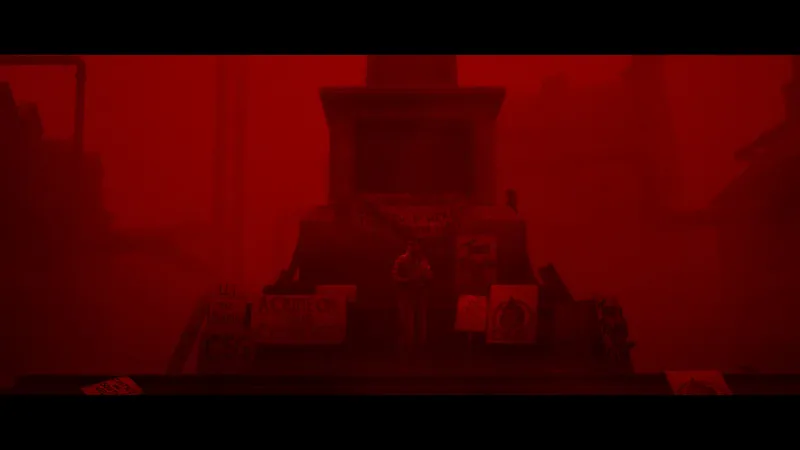
Much like the franchise itself, for years Silent Hill existed as an opaque figure embedded in fog, with only crackling radio static confirming its existence. Konami wasn’t sure what to do with it beyond Pyramid Head cameos in kart racers and Bomberman party games. But, like a repressed memory that suddenly manifests as a monster compelling you to address your unresolved trauma, Silent Hill is back, and Townfall, the third Silent Hill game in as many years, continues the impressive return-to-form streak. Simon Ordell’s journey through the Scottish town of St. Amelia in 1996 is not without its shortcomings, but the experience is an affecting one buoyed by the first-person perspective.
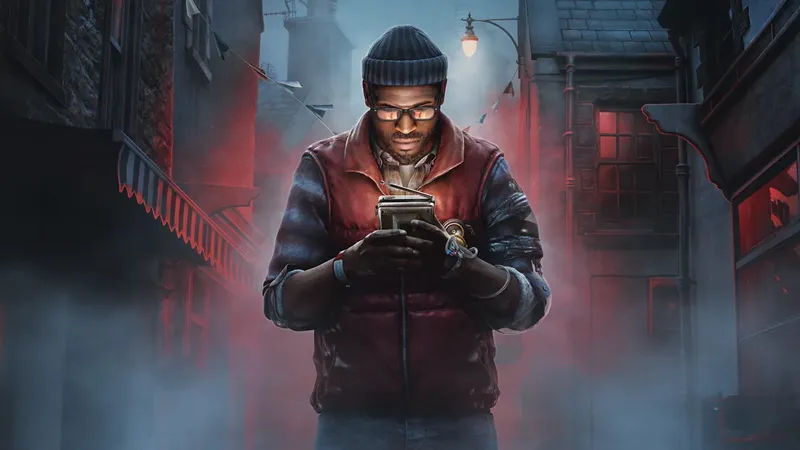
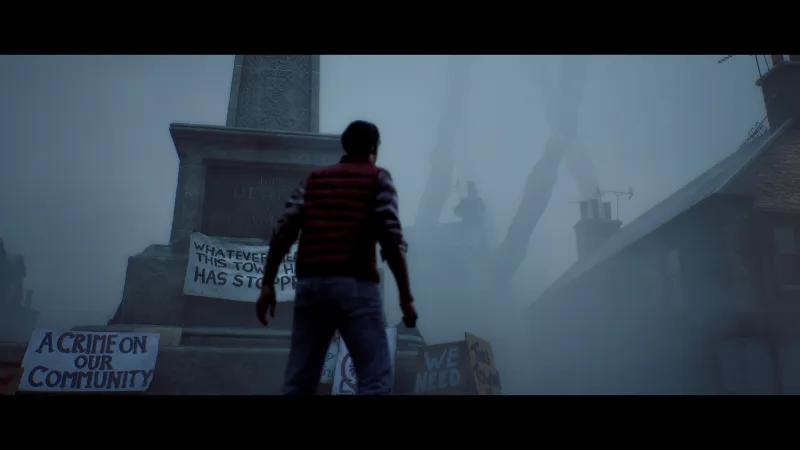
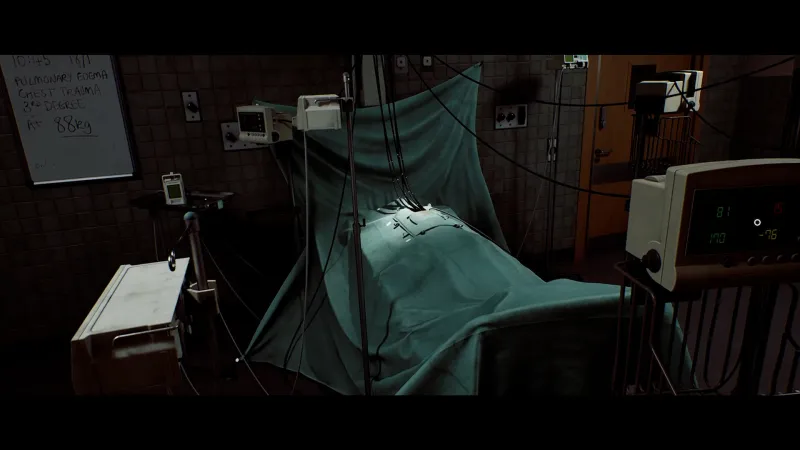
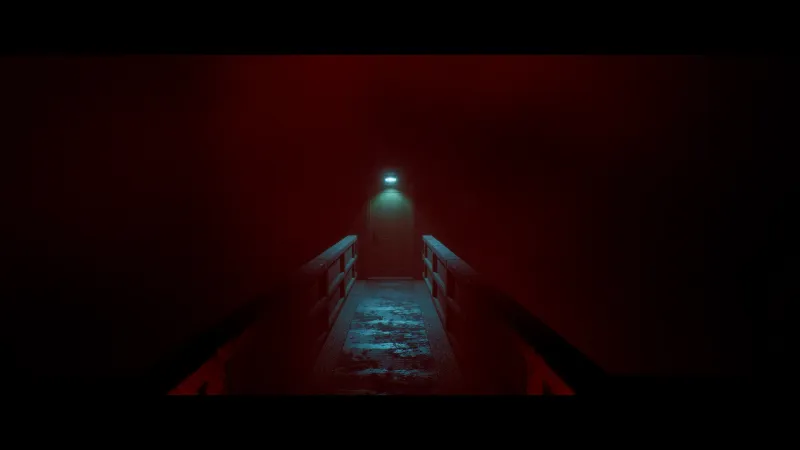
Silent Hill has dabbled in first-person before with Silent Hill 4: The Room, 2024’s experimental The Short Message, and the whole P.T. debacle. We also, of course, all definitely played and remember the on-rails shooter, Silent Hill: The Arcade. Townfall, however, is the first time the franchise has fully embraced the perspective. The view makes the game unique within the Silent Hill oeuvre. Through Simon’s eyes, St. Amelia is overbearing and imposing in all the intended ways. That the game looks great also helps. The claustrophobic interiors are full of details that reward inspection, and you can practically taste the fog while exploring outdoors. The peeking mechanic is also expertly integrated and makes it feel like you truly are cowering and exposing as little of yourself as possible while staying quiet and keeping an eye on monsters.

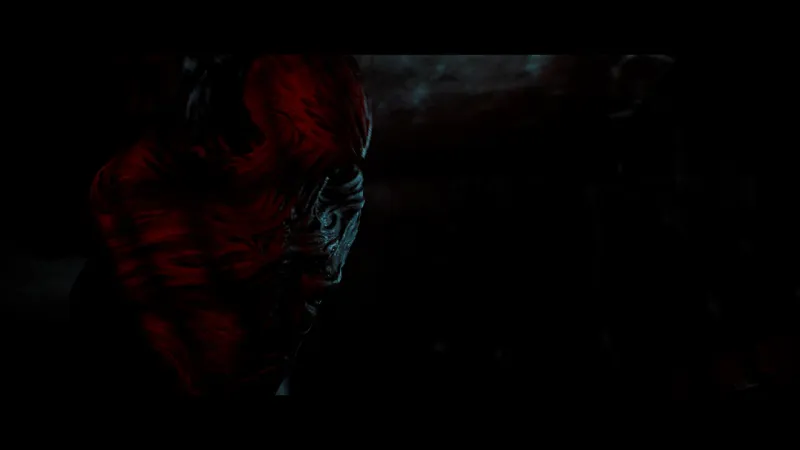
The broad story, at least structurally, will be familiar to Silent Hill players, which I offer as a compliment. Townfall may take place in St. Amelia, but there is no question that this is a Silent Hill game. Simon and others are confronting their inner demons in a foggy town, and what exactly is happening or why the streets are littered with monsters is never truly clear. You do know, however, that something is off and the only way out is through.


Uncharacteristically, compared to past Silent Hills, the individual plots that have led to the emotional distress of Townfall’s cast are more transparent. There are fewer questions about why characters feel what they’re feeling. It eliminates some of the dreamlike qualities that make these games ethereal and mysterious, but I am not opposed to more clarity, as sometimes information is withheld unnecessarily. I like the narrative balance Townfall strikes.

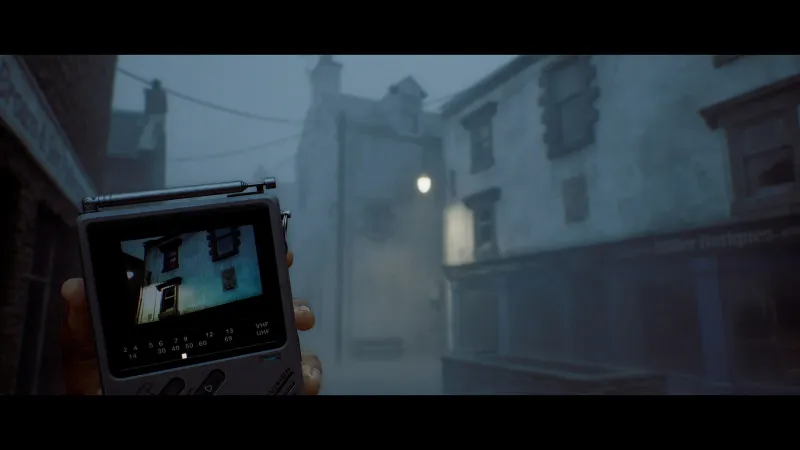
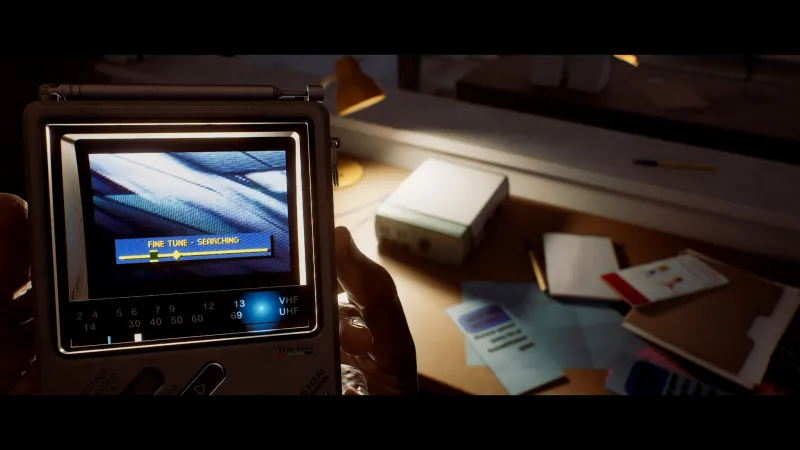
Simon has an era-appropriate portable television that lets him track monsters through the screen’s static, and it does a good job of letting you monitor creatures’ whereabouts while maintaining intensity. Combat is heavily discouraged, with perhaps the fewest number of bullets in any Silent Hill game (that feature guns, anyway) and melee weapons that expire quickly. As a result, Townfall is a stealth game, but I struggled with understanding what alerted enemies to my presence. Sometimes crouching and moving slowly behind cover was enough. Sometimes enemies saw me anyway. The inconsistency made me reload saves often, which diminished the mood of the encounters. I got particularly frustrated with one invincible, instantly-kill-you-if-caught monster who never seemed to walk away no matter how long I tracked him on my TV while hiding in a closet. In these moments, I was bored and annoyed instead of scared.

What I have enjoyed so much about Konami’s renewed efforts with Silent Hill is how it is finding developers like Screen Burn Interactive that understand what makes Silent Hill so intriguing and are managing to produce unique experiences within an admittedly undefined structure. The franchise is about loneliness and trauma and how that affects your emotional state of mind. Townfall presents these emotions well, and my only frustrations arose when I was forced to grapple with some of its unbalanced video game mechanics.

Score:
8.25

About Game Informer’s review system