Riot Games Will Cease Active Development For League Of Legends Fighting Game 2XKO In December

Game Informer

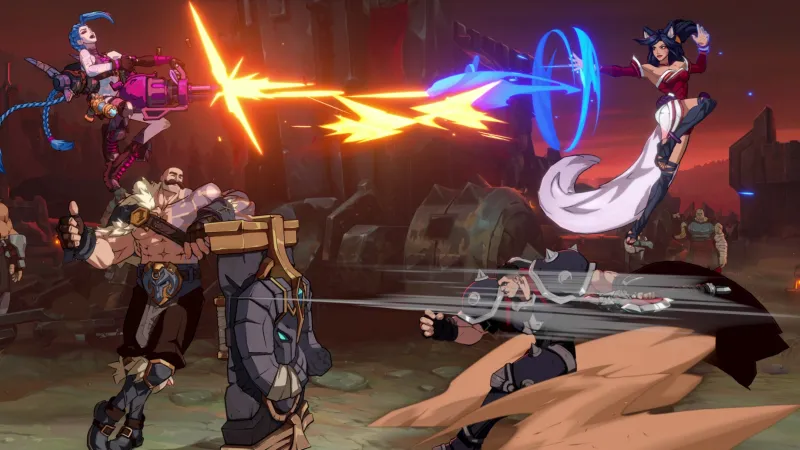
2XKO, Riot Games’ free-to-play tag-team fighting game set in its League of Legends universe, has struggled to find a sustainable audience since arriving in January. Those troubles have finally come to a head; come December, the developer will cease active development of the game.

In a blog post, Riot states, “Over the last few months, we’ve been monitoring 2XKO’s trajectory closely, and what we’ve seen is painting a clear, consistent picture: while a lot of you jumped in to try the game and there’s an incredible community that plays every day, we haven’t seen enough players stick with the game to get to a path toward sustainability.”

Although 2XKO will no longer receive updates after December (Riot does not specify the date), the game will not be shut down. Riot states the servers will remain active past December, so players can still play online matches for the foreseeable future. Throughout the rest of the year, Riot will introduce content such as two new champions in Lux and Samira, and feature improvements. This includes a final bug fix patch arriving in December. Offline play will be unaffected by these changes.

Riot is also unlocking all champs, bundling most cosmetic items, and refunding all money spent on 2XKO on or before August 20. KO Point purchases are now disabled. Purchased content is “yours to keep,” Riot states, and Avatar and player profile items will be unlockable for credits once a patch hits in September. “Our goal now is to do right by the players who have invested in us so far and want to continue playing 2XKO, as well as the Rioters who have poured everything into delivering on this dream,” writes Riot.

The remainder of the blog post candidly muses about Riot’s hopes for 2XKO while acknowledging the studio’s inability to attract a larger audience. When the game wasn’t panning out, it says it considered multiple options such as reducing headcount and changing the game’s business model before deciding that sunsetting the game was the best option. The post also lists a detailed roadmap of upcoming patches.

2XKO was first revealed in 2019 under the codename Project L, itself born from the ashes of Rising Thunder, a once-in-development fighting game built on promoting approachability. The game launched in PC early access in September 2025 before graduating to 1.0 and jumping to consoles on January 20. Unfortunately, despite garnering generally positive reviews, 2XKO’s struggles became apparent soon after launch, as Riot laid off 80 employees – roughly half of 2XKO’s development team – just three weeks later. At the time, Riot cited similar problems attracting an audience. 

As 2026 progressed, it’s probably not a stretch to think 2XKO’s troubles were at least somewhat exacerbated by the launches of competing tag-team fighting games such as Invincible VS and Marvel Tōkon: Fighting Souls, which vie for similar audiences. Did you play 2XKO? If so, what do you think of it? If not, does today’s news pique your interest enough to give it a try? Let us know in the comments. 

Onimusha: Way Of The Sword Shines A Light On One Of Japan’s Most Important Women

Game Informer

 Onimusha: Way of the Sword is just a couple of weeks away. In case you missed it, it’s the latest game to grace the cover of Game Informer, and I traveled to Capcom’s Osaka HQ to play never-before-seen parts of the game, interview the developers making it, and more. Subscribers can read my cover story here for the full picture, but alongside that, I’ve been posting exclusive behind-the-scenes interview features, news breakouts, retrospectives, and more, and it can all be found in the Game Informer Onimusha: Way of the Sword coverage hub

With the game closer than ever, I have just two more features to go – I know, I know, very sad. But hey, these pieces will live forever on the site for you to read, and I suspect a lot of them will be especially insightful as you play the game in September. For the penultimate feature, I want to talk about Izumo no Okuni. 

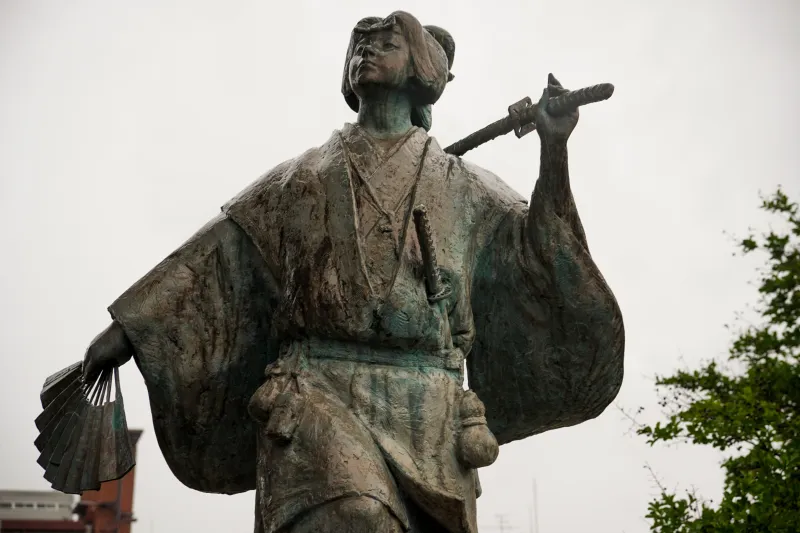
History tells us that Okuni was born around 1578 and that, famously, she invented the Japanese theatrical art form known as Kabuki. She apparently began performing where the Kamo River cuts through Kyoto today, and there’s even a beautiful bronze statue of her watching over the river that I photographed (see below). 

Game Informer

A bronze statue of Izumo no Okuni in Kyoto, watching over the Kamo River

Something interesting I learned during my visit to Capcom HQ is that Onimusha: Way of the Sword lead writer Hiroshi Yamashita specifically wanted to shine a light on Okuni in the game. Though I didn’t get to see her in the game at all, he tells me the reason protagonist Miyamoto Musashi visits Dokyo’s underground lab (read more about that in my hands-on preview here) is because of Okuni, stopping short of saying why. Yamashita says he’s long wanted to include Okuni in previous games he’s worked on in some way, but it never worked out. 

“So finally, after 20 years of working as a scenario writer or lead writer, being able to finally have her in this game is a dream come true for me,” Yamashita says. 

As for what drew him to Okuni, Yamashita says it’s her importance in history. While the Edo period, when Onimusha: Way of the Sword is set, is known for its stability in Japan, that tranquility and subsequent historical significance mostly extended to men, or to women (wives/siblings) associated with important men. Okuni was an exception to the period in that she was a nobody who rose to become a somebody – the creator of one of Japan’s most important art forms. 

“I find it very impressive that she was able to become this known figure and remain so in history despite the turbulent times,” Yamashita says. 

Though I don’t know her role in the game, I’m looking forward to finding out – Yamashita is clearly passionate about Okuni and her place in history, and it will be interesting to see how Capcom blends her historical significance with the dark-fantasy action of Onimusha: Way of the Sword. 

There’s just one more feature left in Game Informer’s month of Onimusha: Way of the Sword coverage, and you can expect it tomorrow. However, we still have exclusive gameplay and behind-the-scenes videos (including a Rapid-Fire interview) to publish on the Game Informer YouTube channel. Keep an eye on the Onimusha: Way of the Sword coverage hub so you don’t miss any of it. 

In the meantime, here’s some additional Onimusha: Way of the Sword reading for you:

Are you picking up Onimusha: Way of the Sword on day one? Let us know your September game pickups in the comments below!

Everything We Learned Playing The Duskbloods At FromSoftware | New Gameplay Today

Game Informer

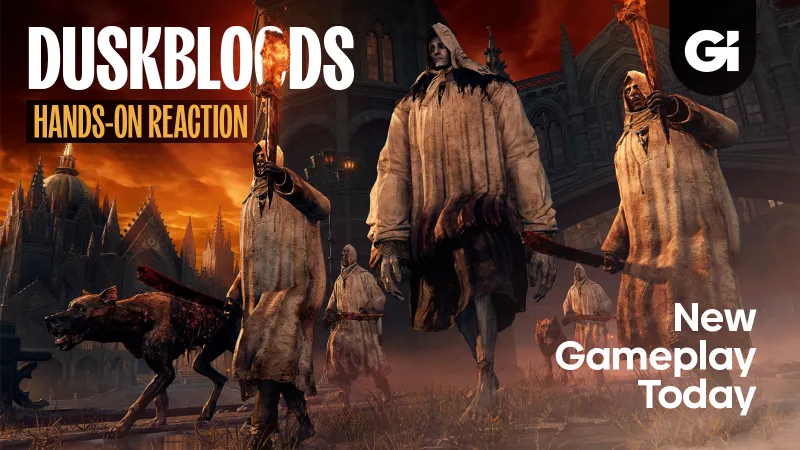
The Duskbloods, the Switch 2-exclusive by Dark Souls and Elden Ring developer FromSoftware, has been one of the most fascinating and mysterious upcoming games since its reveal last year. That fog of mystery finally lifted after we traveled to FromSoftware’s Tokyo headquarters to play several hours of the PvPvE competitive multiplayer game. You can read my extensive hands-on impressions in this preview, and watch The Duskbloods in action in this episode of New Gameplay Today!

Join Marcus Stewart and Wesley LeBlanc as they show off new gameplay footage and discuss and reveal new details about The Duskbloods ahead of its closed network test this week. 

The Duskbloods: A Hands-On Breakdown Of From Software’s Exciting, Surprising, And Dense Take on Competitive Multiplayer

Game Informer

Platform:

Publisher:
FromSoftware

Developer:
FromSoftware

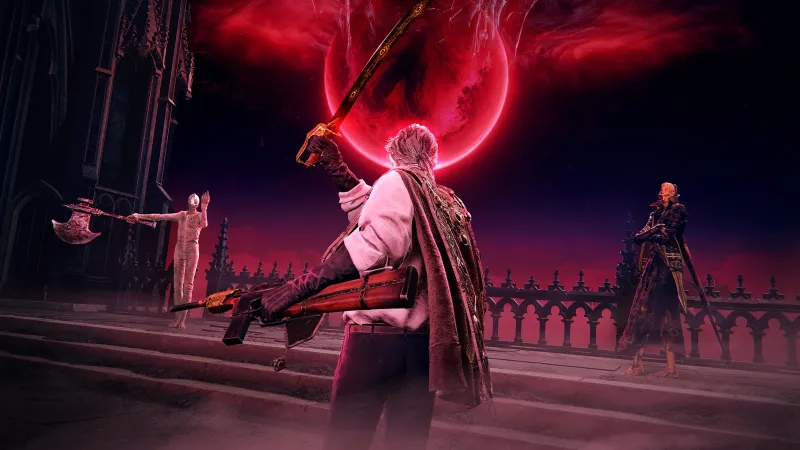
Even FromSoftware’s most faithful fans expressed reservations about The Duskbloods’ description as a PvPvE Soulslike experience when it was revealed last April. So much so that even the studio regrets leading with this descriptor, as it believes it gives a somewhat inaccurate representation of the game. Battling other players is core to the experience, but it still heavily emphasizes exploring on your own, confronting dangerous monstrosities, and uncovering secrets to get ahead of rivals. It’s a fascinating approach to competitive multiplayer, and after playing several hours of the Switch 2 exclusive at FromSoftware’s Tokyo headquarters, it’s one even a single-player-minded player like me had a blast with.

 The Blood Moon Rises
Game Informer

The Blood Moon Rises

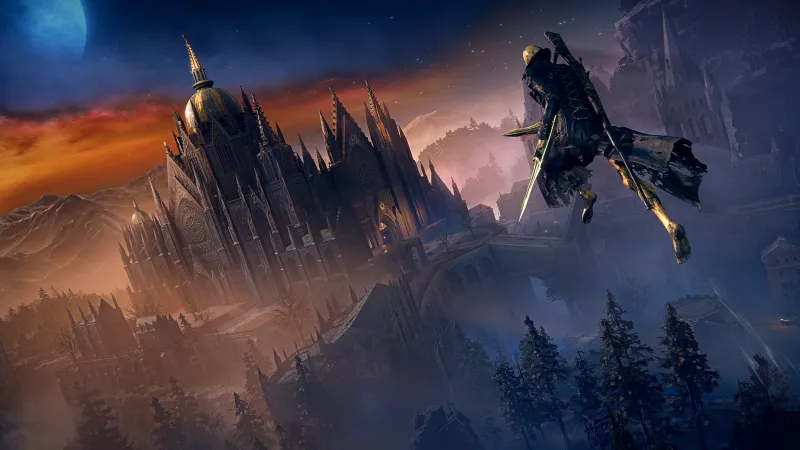
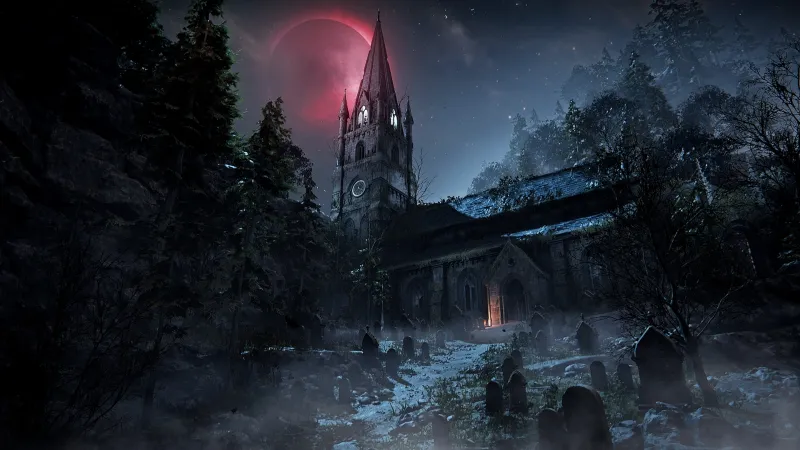
The Duskbloods has been in development since 2021 (while FromSoftware was still working on Elden Ring) and centers on the Bloodsworn: vampiric, superpowered warriors who face off in an event called the Twilight of Humanity to obtain a prize known as First Blood. This development timeline matters, as The Duskbloods’ game director and FromSoftware head Hidetaka Miyazaki told other journalists and me that the game was not piggybacking on Elden Ring’s success or continuing a perceived shift toward multiplayer experiences after Elden Ring Nightreign. Rather, it was simply the game Miyazaki wanted to make. The timing of its arrival, hot off the heels of last year’s Nightreign, is merely circumstantial. Rest assured: FromSoftware is not abandoning single-player games, according to Miyazaki. 

What The Duskbloods does is draw from and expand multiplayer mechanics from the studio’s previous single-player titles like Dark Souls in a way Miyazaki says was only possible in a dedicated experience. The move to Switch 2 was also a fortunate twist of fate, as the game was originally in development for the original Switch, which Miyazaki suggests would have required compromises. He speaks on behalf of the team when he expresses the collective relief they felt at the reveal of Nintendo’s current, more powerful hardware. I felt a similar relief playing the game; it’s not the next Elden Ring, but it’s a damn fun time with plenty of gameplay depth and mystique. 

Sworn to Blood
Game Informer

Sworn to Blood

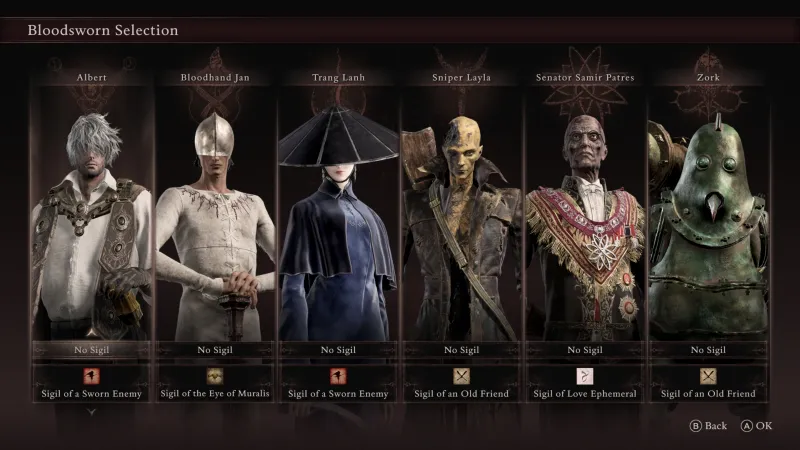
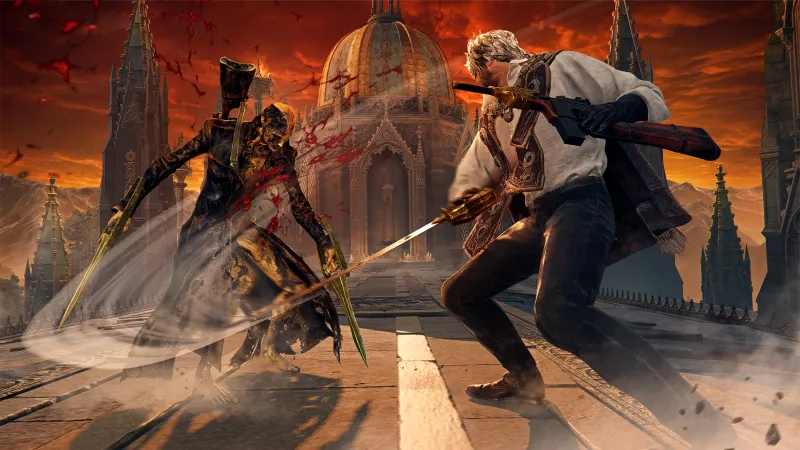
At the center of The Duskbloods are its playable characters, the Bloodsworn. Although the full game will offer over 10 Bloodsworn to choose from at launch, six were available in my session, which will also be true of the closed network test kicking off on August 21. Each Bloodsworn wields short- and long-range weapons and unique special abilities. Here’s a brief breakdown of each character.

  • Albert: Sports dual sabers and an SMG, and unleashes blood-infused attacks. A generally balanced mix of melee and ranged offense that’s great for newcomers. 
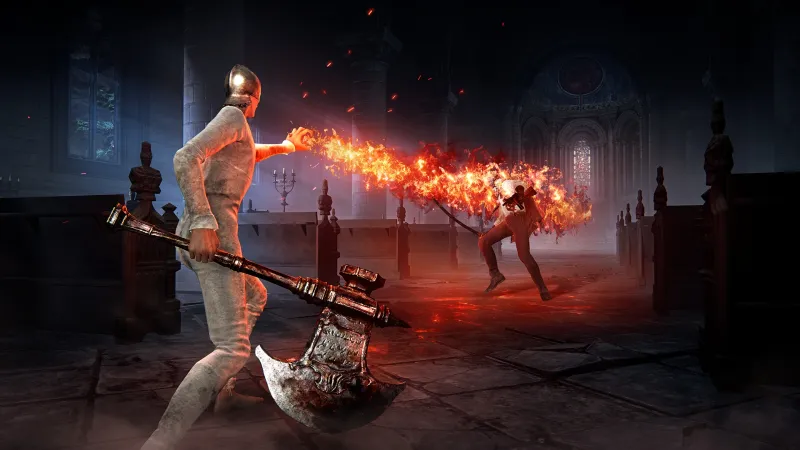
  • Bloodhand Jan: Wearing nothing but a onesie and a pot over his head, Jan brandishes a one-handed axe and unleashes fire from his free hand like a flamethrower. A special strike sees him leap airborne and slam down with a giant, bloody AoE attack 
  • Senator Samir Patres: Slices foes using a rapier, fires spectral birds, and transforms into a T-Rex-like dinosaur (yes, really) that charges and crushes foes in its mouth like a dog’s chew toy. 
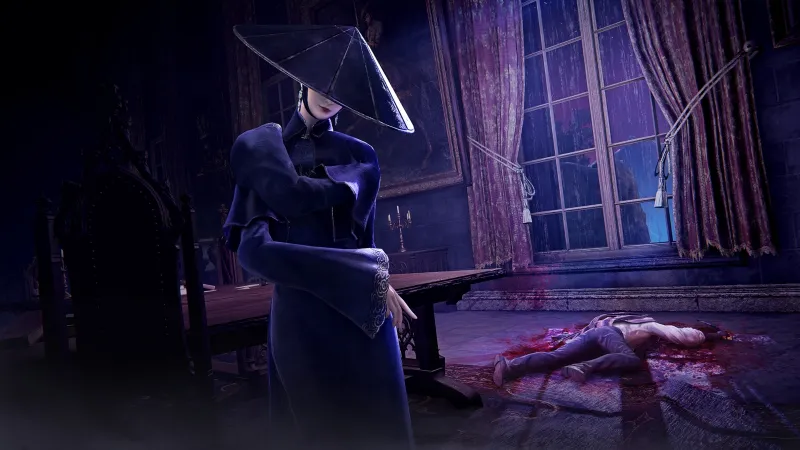
  • Trang Lanh: Wields a giant ring blade for close-quarters and ranged combat, as it can be tossed at threats. Trang Lanh can also temporarily turn invisible and summon a giant white snake (not unlike the serpent from Sekiro).
  • Sniper Layla: Wears dagger-esque blades for close range, but primarily snipes foes from afar using her rifle. Layla can transform into a swarm of insects to quickly warp short distances and pull a Gatling gun out of her chest to viciously mow down targets.
  • Zork: An armor-clad Bloodsworn who makes up for its slower, heavier movements by dealing heavy damage using his electric cable. Zork can pierce targets using a speargun, fire a barrage of missiles, and even rocket itself headfirst into targets.

Regardless of the Bloodsworn you choose, the basic combat mechanics are familiar to FromSoftware’s Souls games, but The Duskbloods’ entertaining traversal adds a fun twist. Bloodsworn can leap great heights and perform four straight jumps before needing to land. I loved leaping over buildings in a single (or quadruple) bound like Superman with no fall damage. The leap is great for quickly covering ground or getting the drop on foes from great heights. To the same end, you can sprint freely without draining stamina (which still drains when attacking or dodging).
Game Informer

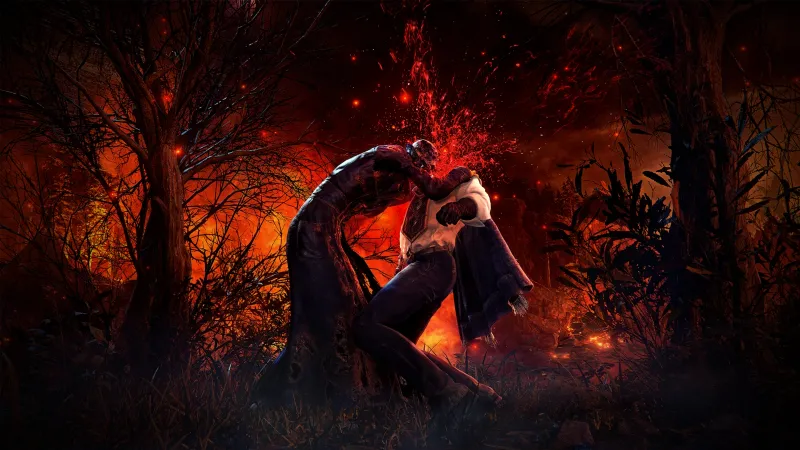
Bloosworn can also bite the necks of staggered enemies to drain their blood. In addition to providing a small health boost, doing so turns smaller fodder enemies into allies. To stagger them, you must nail a parry-like howl before an enemy lands a hit, opening a brief window to go for the neck. I like turning several enemies to my side early, letting me roll up on rivals with a small posse backing me. At best, it lets me overwhelm an opponent; at worst, I’m surrounded by distractions and living shields. This parry is also useful against other players, as it can interrupt their attacks. Plus, draining their blood deals significant damage.

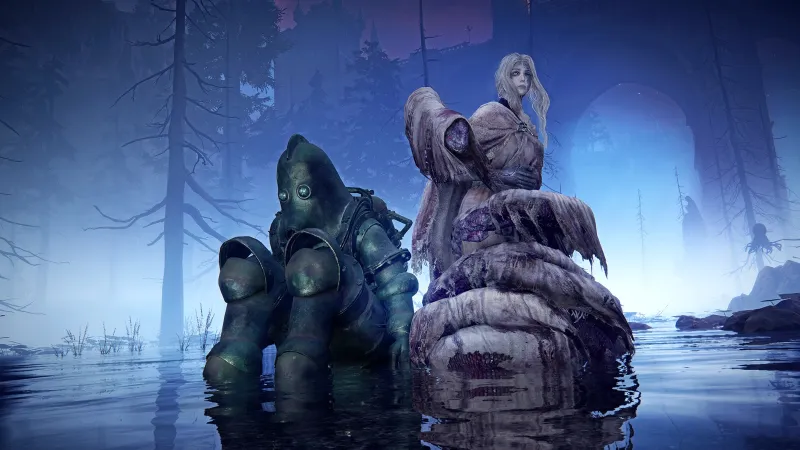
Speaking of allies, activating special portals summons helpful entities called Kin. Like Spirit Ashes in Elden Ring, these unique helpers are invaluable sidekicks. They stick with players for the duration of a match and grow stronger as they defeat enemies. My favorite Kin is Baritone, a singing behemoth whose vocals grant stat buffs as he slams threats using wrestling moves. Other Kin include a health-boosting gargoyle and a nimble, lightning-quick dual-sword-wielding warrior. They’re all as strange as they are useful, and although you can recall them until they’re needed, I rarely saw an opponent possessing a Kin that wasn’t exploring without it constantly by their side. You can switch to a different Kin if you find another portal; however, they’ll be at Level 1. So even if you find a Kin you like better, it may be strategically unwise to swap out a higher-level Kin to use it. But that’s up to you.  

 Know Your Kin
Game Informer

Know Your Kin

My session of The Duskbloods offered eight Kin to partner with. While it’s unknown whether this is the full number of Kin available at launch, or whether there are some yet to be revealed, here are the ones we know so far and the help they offer players. 

  • Baritone: A singing behemoth who offers an unclear stat buff. Offensively, he suplexes enemies like a pro wrestler. 
  • Undead Marlowe: A zombified gentleman who gives off vibes of a down-on-his-luck drifter. His vibe vaguely reminds me of Ol’ Gil from The Simpsons, and Marlowe loves bragging about how he’s tough to kill. Sort of flails at targets in an uncoordinated but somewhat effective assault. 
  • Nia, Sister of the Briar: Boasting two swords and acrobatic movements, Nia can quickly slice apart enemies while evading damage, making her one of my favorite Kin to enlist.
  • Thaumaturge Avester: A floating mage of sorts who scorches enemies by unleashing magical fireballs. 
  • Valentinos the Unwise: A large, morbidly obese kin who rolls around in a wheelchair-like vehicle. He can use a whip to attack from afar, or bearhug targets up close. Proved to be one of the most formidable Kin to deal with. 
  • Gargoyle: This stationary, snake-wrapped statue routinely heals its master. Summoning Gargoyle in a spot it won’t be easily spotted or attacked is ideal. 
  • Gunslinger Beatrice: I only summoned this Wild West-inspired gunslinger once, but Beatrice offers ranged support by peppering targets using her pistols.
  • Black Wolf of Mars: A ferocious wolf that relentlessly attacks targets. Pairs well with ranged-minded Bloodsworn like Sniper Layla, letting you attack from afar while Mars handles 

 Victory is a Virtue
Game Informer

Victory is a Virtue

After choosing your Bloodsworn in the House of Night, The Duskbloods’ main hub that features a training space and other unlockable areas not available in this build, it’s time to queue up. At the event, 16 journalists and influencers were divided into two tables – eight each – letting us play against each other in randomized configurations on a closed server. Although the game features random matchmaking, Miyazaki confirmed The Duskbloods features private lobbies to play only with friends when I asked him during the group interview. 

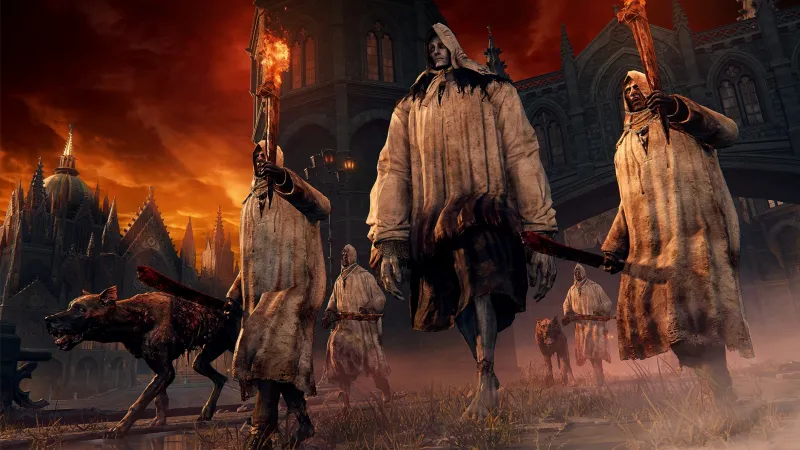
Each match, called a Dusk Battle, pits eight players against each other and consists of four timed Phases, where players are gradually eliminated as the match progresses. The last player standing wins. Winning a Dusk Battle requires accumulating Virtue, a resource earned in several ways: in battle by defeating other players, smaller threats, and challenging bosses, and by exploring and finding Virtue-infused corpses among other secrets. Repulsion Virtue, for example, is earned by defeating bosses ranging from mid-tier foes to greater threats known as Trespassers. To acquire Commendation Virtue, you must perform smaller feats, like killing a large number of common foes or collecting more dropped items than other players. 

Flame Virtue is obtained from purple throne-seated corpses hidden throughout the map. The first person to touch Flame Virtue will be the only one to do so, as it’s a one-time, first-come-first-served reward. Being the first person to discover a Flame Virtue is always exhilarating; conversely, the disappointment of approaching a Flame Virtue only to find that someone else already activated it is immeasurable. 
Game Informer

In a battle-royale-esque format, players with the most Virtue at the end of a phase advance to subsequent rounds, while those who don’t hit a Virtue quota are eliminated (two players at a time). I didn’t clock it, but each Phase feels like it takes between 8-10 minutes. Phase I features no eliminations, so it’s best spent gathering strength and unlocking new skills by defeating enemies and searching for Virtue. I spent most of this time killing everything that moves to quickly level up, as doing so also unlocks level-gated special abilities for Bloodsworn, while trying to find Flame Virtue before other players got to it. There’s no penalty for dying during a match; you’ll just respawn to a chosen area on the map. Each player has two health flasks, a limit that can be increased by finding a special item. 

Character-specific missions called Sigils offer another optional avenue to earn Virtue. Each Bloodsworn has an accompanying Sigil that can be enabled before each match; Albert, for example, has the Sigil of a Sworn Enemy, which tasks the player with hunting and killing a marked player. Sigil of Old Friend requires seeking out and befriending someone by offering an alliance, a broader mechanic that lets two players team up (more on this later). 

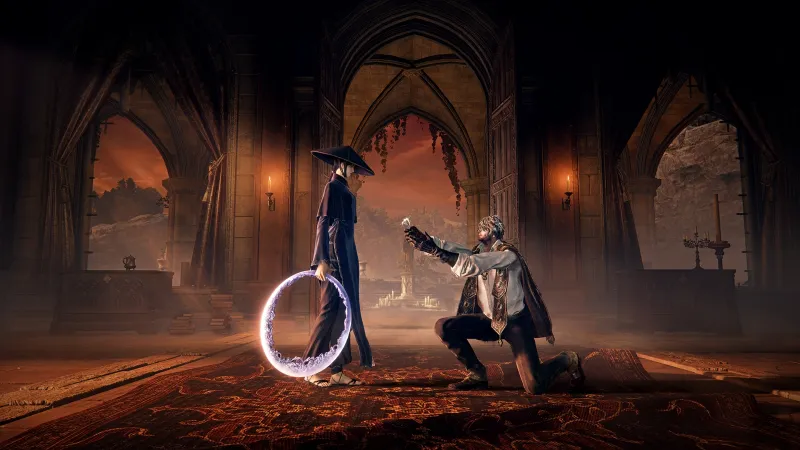
Sigil of the Eye of Moralis is similar to that of the Sworn Enemy, in that players must hunt another player branded as a Heretic; however, the Heretic can also defeat their hunter for rewards. The last Sigil available in this build is the Sigil of Love, the most bizarre of the bunch since it requires the player to propose marriage to a designated rival (yes, really). If the proposal is accepted, those players become lovers, though it’s unclear what the other player gains from this union. 
Game Informer

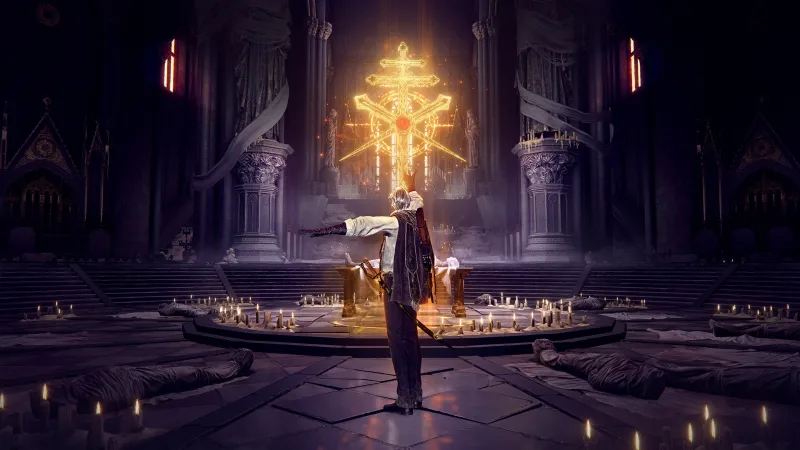
Eliminations go live in Phases II and III. Phase II “culls”, to use the game’s term, three bottom-ranked players, and Phase III cuts two more. These Phases also introduce Ritual Sites, special zones where players can earn heaps of Virtue by winning PvP battles or capturing and defending special checkpoints. If you’re confident in your battle prowess, besting other players at Ritual Sites rewards Sword Virtue. Those who prefer to avoid conflict can chase Pledge Virtue by activating golden symbols scattered across the Ritual Site. However, Pledge Virtue is not inherently conflict-free; someone else can activate your Pledge to steal it, so it may be wise to stay near Pledge zones to defend them if necessary. Ritual Sites unlock towards the end of Phases II and III and always devolved into utter, entertaining chaos as players converged on these points to frantically earn enough Virtue to stay in the game or reinforce their leads by preventing opponents from gaining their rewards. 

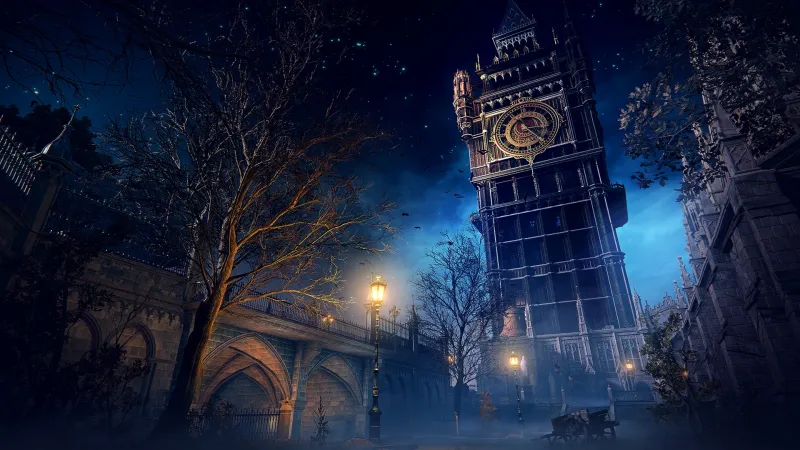
Dusk Battles can also be spiced up by Events, special stipulations that affect the entire map. These randomly selected modifiers flip the entire game on its head for all players. One Event spawns a zeppelin over the stage that rains fire upon the map, incinerating anyone caught in its blasts. One particularly annoying/amusing Event periodically zaps every player with unavoidable lightning, but instead of electrocuting them, they’re teleported to a random spot on the map. In one instance, I was warped right in front of a Trespasser, and it promptly clapped me. Another Event tasks players with reaching the top of Lowarno City’s bell tower and ringing said bell to earn extra Virtue. One neat Event sees a shooting star crash somewhere on the map; the player who can grab its shard and hold on to it at the end of the Phase earns bonus Virtue. 
Game Informer

Once Phase III culls the remaining losers, the final top three players advance to Phase IV. This unfolds as an often chaotic arena battle where the last player standing wins the match. Arenas are much smaller than the main map and vary in type; one lacks walls, for example, allowing players to fall or be tossed over the edge Super Smash Bros.-style (which some players took full advantage of). Players have two lives to spend here, so dying a third time marks an elimination. I only reached Phase IV a handful of times, coming in 3rd place each attempt. 

Between facing off against leveled-up players, not to mention whichever powered-up Kin they’re rolling with, winning these bouts can be extremely challenging. Sometimes I found success hanging back and letting my two opponents duke it out while taking potshots from afar; of course, they inevitably realized what I was doing and would then (understandably) double-team me. Victory is hard-earned, but Phase IV also has the excitement of a hype fighting game match. Eliminated players routinely gathered around the monitors of whoever made it to the last round to watch them duke it out, eliciting plenty of cheers, groans, and laughter from the room. Although you can reach Phase IV using the non-combative methods mentioned above, it is the round where the familiar phrase “git gud” is most applicable. 

The single map (or “Lands of Dusk” as they’re called) available in the build I played, Lowarno City, is a multi-layered locale emphasizing verticality. It features multiple distinct areas, including a cathedral, a cave network, underground ruins, a poisonous marsh (of course), and a massive bell tower, among other areas I know I missed. You can also find special chests that improve your melee weapons with enhancements, such as elemental boons like fire and lightning or poison damage. The scale of Lowarno City is impressive; it’s big enough to make me feel isolated in a way that I love in FromSoftware titles, but not too large that I didn’t see another player semi-regularly, even briefly, at some point. Lowarno City is one of three maps planned for the final game. I’m curious to see the others, but I really enjoyed exploring this first battlefield. 

 The Value of Teamwork
Game Informer

The Value of Teamwork

Although The Duskbloods is a competitive experience first, you can work with other players either loosely or under a formal agreement called Alliances. Initiating an Alliance with another player requires them to accept; if they do, the two of you become partners for the remainder of the Dusk Battle.

Alliances can be offered any time during a Dusk Battle before Phase IV, and partnered players can’t hurt each other. Both players share certain rewards. Should they make it to Phase IV, the Alliance ends since the players must become opponents. Ending an Alliance prematurely results in a penalty for the player who calls it off, forcing them to surrender a portion of Virtue (and potentially other resources, though this is unclear) to their former partner. Alliances can be a great way for bottom-ranked players to increase their odds of survival by working together. 

Duos Mode is a separate form of Dusk Battle that divides players into teams of two (making four teams total). Like Alliances, partners can’t damage each other but share Virtue and weapon enhancements. A single team is eliminated each round. Phase IV pits the two top-ranked teams against each other, and teams share a pool of two lives. 

 A Story Told Through Battle
Game Informer

A Story Told Through Battle 

FromSoftware enthusiasts love dissecting the lore and story of the studio’s single-player games. Although The Duskbloods is a multiplayer experience, it’s not devoid of narrative. When I ask Miyazaki how the game delivers a story, he reveals that the House of Night, the explorable mansion hub where you initiate Dusk Battles, features a special NPC who won’t be accessible until The Duskbloods’ full launch. This NPC is located on the second floor of the House of Night, and as players regularly speak to them, “you’ll sort of feel more about the story and will progress the story aspect to a certain extent,” says Miyazaki.

Miyazaki also reveals Bloodlines, a customization element tied to Bloodsworn, offers another storytelling device. “…Basically, as you progress, as you play with certain characters in the multiplayer, it will sort of unlock aspects of that customization that then reveal things like their history, their relationships with other characters, things like that,” Miyazaki explains. “So the story will kind of be revealed in that way as well.” 

Furthermore, Miyazaki adds that the emergent moments from playing Dusk Battles tell their own stories unique to each player while fleshing out Bloodlines. “And so, through multiplayer, with things like the Sigil system and the Events system, basically as you’re playing and this sort of unexpected drama unfolds, that can also unlock new Bloodlines and sort of it can branch off from there as well, depending on who you’re interacting with, what kind of events occur with what characters, who has what Sigil, things like that. So there’s always this sort of unexpected way that the story might reveal itself to you as you’re playing the game, outside of just the House of Night.”

 A Promising First Impression
Game Informer

A Promising First Impression

I like to enjoy FromSoftware games as solitary experiences. I’ve never summoned a human player to help me in other Souls games, and though I respect Elden Ring Nightreign and gave it a fair shake, I just didn’t like having to rely on other players to get the most out of the experience. Call me antisocial, but one reason I much prefer The Duskbloods is that I can jump into matches without having to align schedules with friends or coordinate with a randomly assigned partner (because I’m not unmuting my mic for strangers). The Duskbloods is a solo experience first; cooperation is merely circumstantial and intentionally strategic. 

Overall, I’m somewhat surprised how much I enjoy The Duskbloods. Much of that has to do with not needing to engage in PvP to get Virtue – I gathered plenty of it by exploring the map and fighting AI enemies while rarely encountering other players. By playing it like a single-player game, I’m still competing with everyone else and even winning. There were matches where The Duskbloods felt like a small Elden Ring sequel due to the surprising scale and diversity of Lowarno City, letting me soak in the surreal sights, albeit to a lesser degree. But the urgency introduced by the timer and Virtue score adds an intense wrinkle I enjoy, and the overall structure reminds me why I generally enjoy battle royales; I can play alone and get ahead in whatever manner I deem most strategically viable based on my skill level and loadout. The Duskbloods adds a potent and entertaining FromSoftware twist to what already works for me in that genre.
Game Informer

The best compliment I can give is that I ended each match eager to begin another. The game’s mix of skill, strategy, and luck makes each match dynamic, exciting, hilarious, and unpredictable. Getting narrowly eliminated made me punch the air, while competing in the final round is genuinely thrilling. The characters are fun and varied, catering to multiple playstyles; if you prefer to deal damage from afar, go with Sniper Layla, while tank-loving players should roll with Zork. And if you’re concerned about the platform choice, don’t be: The Duskbloods performed perfectly fine on Switch 2 (which really shouldn’t be surprising; the console’s not a potato by any stretch) to the point I forgot it was the platform running it. 

There are still plenty of mysteries surrounding the game. What does the main narrative entail? Does the game utilize any Switch 2-specific features (Miyazaki immediately said he couldn’t speak on this when a journalist posed this question during our group interview)? What does post-launch support look like? We still have plenty to discover after the closed network test concludes, and that’s exciting. FromSoftware is on to something here, and like the game’s vampiric competitors, I’m thirsty to spill – and drink – more blood in many matches to come.

Cover Reveal – Exodus

Game Informer

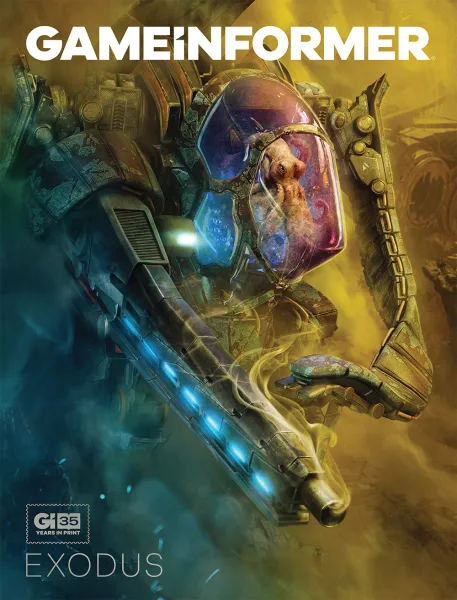
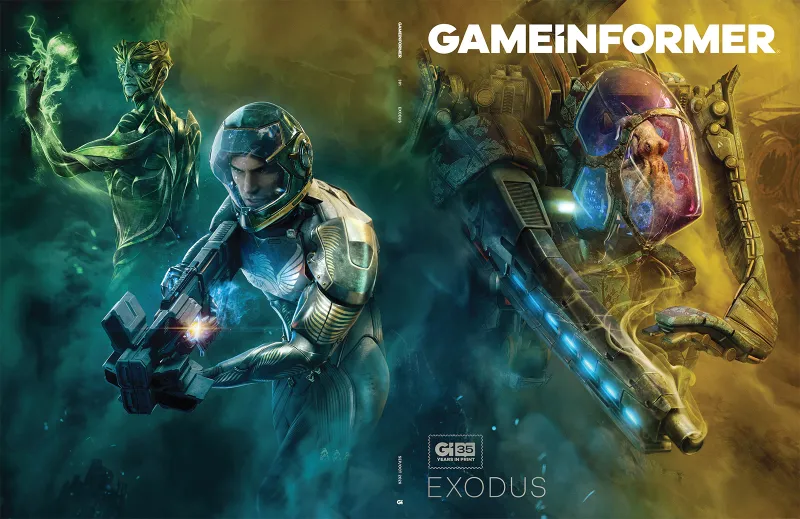
In 2023, Matthew McConaughey took the stage at The Game Awards to unveil his first video game project: Exodus. While I and many others initially only knew it in that context (and often referred to it as “the Matthew McConaughey game”), as more details and trailers emerged over time, it became apparent that this game was more than the actor who introduced it. Developed by Archetype Interactive, a team founded by former employees of AAA studios like Naughty Dog, Halo Studios, and especially BioWare, Exodus is not just an ambitious and exciting RPG: it’s the next game to appear on the cover of Game Informer. You can check out the cover art, which features Salt the Awakened octopus, below:


Video editor Eric Van Allen and I traveled to Austin, Texas, to visit Archetype and play roughly four hours of its upcoming sci-fi adventure. Exodus is set 40,000 years in the future, when humanity had to leave the Earth behind. Now, they’re able to travel vast distances at near lightspeed, but this makes them experience time dilation: a phenomenon that causes you to experience weeks, months, or years in transit, despite feeling like only seconds have gone by. Time dilation, along with talking animals and highly-advanced Celestials, is a foundation of Exodus’ worldbuilding. In the game, it means your decisions don’t just affect the immediate future; you’ll see the impact decades later. 

Eric and I explored an early mission set in the Traveler Launch Center that introduces Salt, a sentient Octopus who pilots a mech and stars on the cover of our September/October issue. Then, we got to stroll around Persepolis, Exodus’ hub city, and play a second mission set on Khonsu, a space station inhabited by a society of giant, talking frogs. Subscribers will be able to read all about it in the 14-page cover story, and we’ll also publish follow-up coverage on our website and YouTube channel, including a rapid-fire interview. We’ve also got six pages in the next issue from editor-in-chief Matt Miller, who spoke to author Peter F. Hamilton and folks at Archetype about all the non-video game Exodus projects, including the novels, the tabletop RPG, and the episode of Secret Level.

Of course, that’s just the tip of the iceberg that is this next issue. We’re also using this month to celebrate Game Informer’s 35th anniversary with a 12-page spread featuring some of our favorite covers accompanied by quotes from people who worked on them. Former editors like Elizabeth Olson, Andy McNamara, Ben Hanson, and Dan Ryckert indulge us with strolls down memory lane. We also included quotes from several legends across gaming history, including Ed Boon, Ken Levine, Takashi Iizuka, and even Tony Hawk. If you’re a physical subscriber, you’ll also receive an exclusive 35th anniversary poster: a collage of many of our 380 covers, shipped alongside your issue in the mail.

Game Informer

Click image to enlarge

We also tapped guest contributor Scott White to reflect on the legacy of Final Fantasy X (alongside quotes from Yoshinori Kitase), and guest contributor Alicia Haddick explores how film adaptations of indie games are the next big thing, with Japan leading the way. On the home team, executive editor Kyle Hilliard spoke with the developers of The Talos Principle 3, who told him that the next entry will be the series’ definitive end. Meanwhile, Marcus Stewart played 1666: Amsterdam in the titular city, and broke down his gameplay impressions across six pages. Finally, executive editor Brian Shea spoke with members of Sonic Team about the blue hedgehog’s legacy for the series’ 35th birthday (the same age as Game Informer – isn’t that cute?).

The Exodus issue will also be chock-full of our regular rotation of content, too. We’ve written previews galore, including looks at The Duskbloods, Star Wars: Galactic Racer, Gears of War: E-Day, Fire Emblem: Fortune’s Weave, and Vampirium: 1997. We’re including reviews of Halo: Campaign Evolved, Beast of Reincarnation, Big Walk, Denshattack, The Mermaid Mask, Splatoon Raiders, and more. And we’re even including an expanded edition of GI Spy, featuring pictures of Game Informer staff across the company’s 35-year history.

Finally, if you missed yesterday’s news, it’s a doozy; we’re expanding physical subscriptions to a whopping 40 new countries! Subscribers in these new regions will get the Exodus issue as their first taste of the magazine, and we couldn’t be happier about it. Our editor-in-chief, Matt Miller, even wrote a special letter from the editor to mark the occasion and commemorate Game Informer’s 35th anniversary.

If you’re an international digital subscriber in one of our newly participating regions, you can upgrade your existing plan to a print subscription on the subscribe page. And if you’re not a subscriber at all yet, you can sign up today to receive 10 copies of Game Informer shipped to your door each year. All subscribers can read the digital edition right now, and if you just want to pick up a single issue, Game Informer is still available in bookstores and on newsstands worldwide.

For more Exodus, stay tuned: we’ll have plenty of written and video coverage of the game in the coming weeks on our coverage hub.

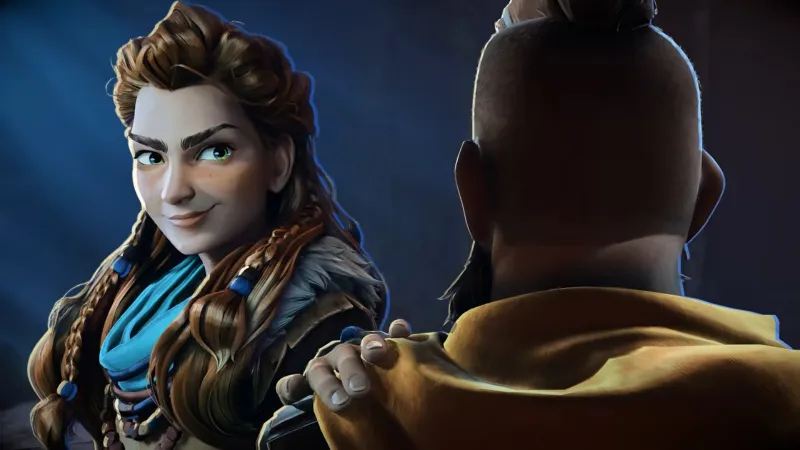
PlayStation Is Reportedly Overhauling Live-Service Horizon Spin-Off Hunters Gathering Following Poor Playtest Feedback

Game Informer

Horizon Hunters Gathering, a live-service spin-off of Guerilla Games’ Horizon series, was announced earlier this year to mixed reception. While it retains worldbuilding elements from Horizon Zero Dawn and Forbidden West, the genre and art style are completely changed, and anecdotally, it seemed to alienate more than it attracted. That was before anyone had played the game, however. According to a report from Bloomberg, playtest feedback has caused the developer to take a step back and reevaluate what the game should look like.

The report comes from Jason Schreier, a seasoned reporter in the video game space. He cites anonymous sources familiar with Hunters Gathering’s development, but who are not authorized to speak about it publicly. While Schreier’s reporting has a very strong track record for accuracy, PlayStation has yet to confirm or deny the facts in his article and declined to comment. Game Informer has also reached out for comment, and this article will be updated should we receive a reply. 

“Following poor feedback in private testing earlier this year, the plan now is to strip out the live-service component and turn it into more of a traditional cooperative multiplayer game with a story mode and a far smaller scope,” the Bloomberg article reads. While the game is not yet cancelled, Schreier’s sources indicate that the team has “through December to impress executives on their next milestone.” Many of the game’s developers are also being reassigned to a different project, to be evaluated at the end of the year.

This rework of Hunters Gathering is a kinder fate than other multiplayer PlayStation projects have received. Best known for its critically acclaimed single-player experiences, the Japanese gaming giant has spent the 2020s trying to expand into the online live-service market to little success. Multiplayer spin-offs of God of War, Spider-Man, and The Last of Us were all canned before their proper reveals. Destiny 2 got its final update this year. Most infamously, Concord was shut down less than a week after its launch. 

While PlayStation’s single-player games have fared better, fans of the Horizon series unfortunately have to wait a while for their next single-player outing as Aloy. According to Bloomberg, most of the Horizon Forbidden West team is working on Hunters Gathering, not the next mainline entry. “A tiny team has been plotting out the next single-player Horizon game but it remains years away from completion, according to the people familiar with the studio’s plans,” Schreier writes.

[Source: Bloomberg]

Dishonored Director Harvey Smith Announces New Immersive Sim Studio

Game Informer

Harvey Smith, best known for his tenure at Arkane Studios from 2008 until 2024, has announced a new game studio called Black Pony Immersive. Smith is joined by co-founder and executive producer Ben Horne, who worked with Smith for more than eight years, most recently on Redfall at Arkane Austin. Black Pony Immersive is founded with the goal to continue delivering the kinds of game experiences Smith has been known for over the course of his more than 30 years working in the industry.

The immersive-sim subgenre is defined by player choice, vast series of interconnected game systems, and emergent moments that are likely to vary from player to player. This categorization is where Smith etched his legacy. Though he is perhaps best known for his work as co-creative director on 2012’s Dishonored and creative director on 2016’s Dishonored 2, he also served as lead game designer on 2000’s Deus Ex, one of the most acclaimed and influential immersive sims of all time. He also worked on the quality assurance teams for System Shock and Ultima VIII: Pagan, as well as helping out on 2017’s Prey.

Smith takes on the role as CEO and creative director, while Horne joins as COO and executive producer. “During a time of industry volatility, I’m proud to announce the next step in my video game journey with the reveal of a new studio,” Smith said in a press release. “This effort reflects everything we’ve learned, and all we hold dear. My favorite gaming memories come from seeing players approach challenges with creativity, deep-diving into our world building. We try to reward players for their curiosity and exploration. At our new studio, we’re building exactly the kind of single-player games we’re most passionate about.”

Black Pony Immersive CEO and creative director Harvey Smith

Black Pony Immersive CEO and creative director Harvey Smith

Though Smith and Horne are the co-founders and are based in Austin, Texas, the rest of the studio is filled out by remote veteran talent from around the United States. Black Pony Immersive features developers previously employed by Arkane Studios, Insomniac Games, Epic Games, Avalanche Studios, and Volition. Among those workers is Richard Bare, with whom Smith worked closely during their more than 15 years together at Arkane and their time working together on Deus Ex. 

“This group has worked together for years, decades in some cases, and is purpose-built to make the ambitious games we love – immersive sims,” Horne said in that same press release. “We share a vision for crafting games that push the limits of player immersion. We can’t wait to reveal more soon.”

While we don’t know what Black Pony is working on, we at least know it’s an immersive sim, which is news sure to delight fans of Smith’s previous work. While we wait for the announcement of the studio’s debut game, you can learn more by heading to the official website of Black Pony Immersive.

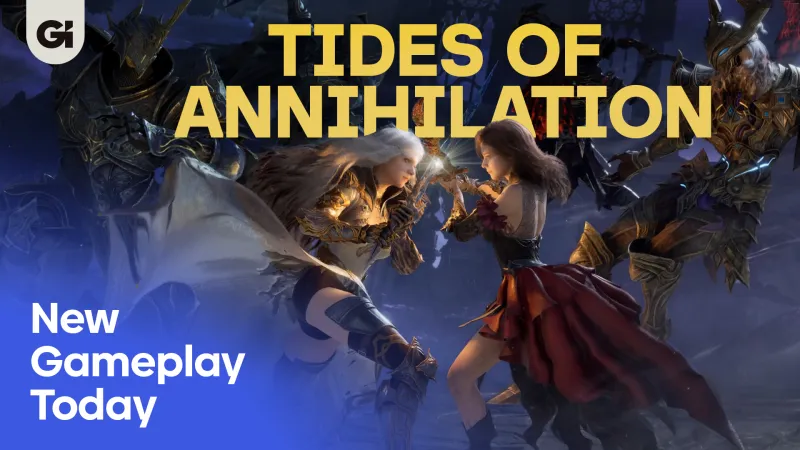
We Played Tides Of Annihilation For Two Hours And Came Away Stunned By Its Spectacle Action | New Gameplay Today

Game Informer

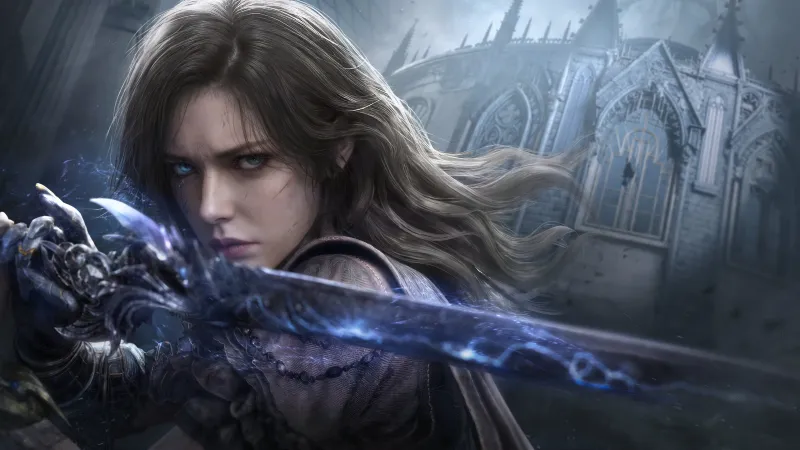
Tides of Annihilation is an upcoming character action game from China-based studio Eclipse Glow Games. Though the studio was formed just two years ago, its developers have experience working on series like Assassin’s Creed, For Honor, Persona, Yakuza/Like a Dragon, and more. That pedigree showed in the game when I went hands-on with it in Chengdu, China, last week to experience roughly two hours of protagonist Gwendolyn’s time-spanning adventure. 

Though modern London is the primary setting of Gwendolyn’s adventure, the Arthurian legend is quite literally crashing into her world, creating a strange but intriguing mix of one of Europe’s top tourist destinations and the fantasy realm of Avalon.I explored the Great Russell Museum (which is presumably the non-copyright version of London’s Great British Museum) to search for a Holy Grail Shard. This museum is home to Egyptian, Japanese, Chinese exhibits, and more, and Tides of Annihilation transforms based on each exhibit, imbuing its suite of enemies and music with inspiration from a given exhibit’s culture. 

You can get a taste of that, and the fast-paced, high-spectacle action in Game Informer’s latest New Gameplay Today below: 

Join Game Informer Senior Associate Editors Wesley LeBlanc and Marcus Stewart as they break down roughly 20 minutes of all-new Tides of Annihilation gameplay, discussing boss fights, the game’s unique knight-based combat action, its King Arthur-inspired characters, and more. 

For more about the game, read Game Informer’s Tides of Annihilation preview, and then check out this story about how Jennifer English’s departure from Tides of Annihilation was an unexpected turn of events for the team. 

Subscribe to Game Informer‘s YouTube channel for more episodes of New Gameplay Today, as well as video reviews, The Game Informer Show Podcast, and more.

Tides Of Annihilation: Jennifer English Stepping Away From Protagonist Role Was ‘Quite An Unexpected Turn Of Events’

Tides of Annihilation Eclipse Glow Games Chengdu China PlayStation 5 PS5 Xbox Series X/S PC

Last month, China-based developer Eclipse Glow Games revealed that Baldur’s Gate 3 and Clair Obscur: Expedition 33 voice actor Jennifer English was stepping away from the protagonist role of Gwendolyn in Tides of Annihilation. Admittedly, English’s involvement was one of the more exciting aspects of Tides of Annihilation. However, after roughly two hours of actually playing it, I’m happy to report that the game is shaping up to be a great character action game filled with impressive spectacle, and English’s absence isn’t necessarily felt. 

Sure, the specter of the news loomed over my two-hour gameplay preview of Tides of Annihilation when I played it last week in Chengdu, China, but the new voice actor does a great job filling the role. Unfortunately, I don’t have any information on who is now voicing Gwendolyn, but the new voice seems to be aiming to match English’s performance from earlier trailers, and she’s doing well so far. 

After my time playing the game, I spoke with Tides of Annihilation director Ary Chen and producer Kun Fu about English’s departure to learn more about the changes, how much work English had done, and more. Chen tells me the news of English needing to step down due to mental health concerns was “quite an unexpected turn of events,” but notes the team “had a great time working with her.”

“We deeply respect her decision,” Chen says. “For us, health also comes first. That said, we had a great time working with her, and she did help us find a new voice actress for the role. And not only that, but she also helped us to go through the process [with the new voice actress], giving us tips and everything on how to do the voice acting.”

Chen tells me that, up to this point in Tides of Annihilation’s development, not enough work has been done to say English has already recorded everything, “because the game is still in development,” in response to my question about whether English’s work was complete before her departure. English is still the “voice-over director” as well, Chen says. 

Tides of Annihilation is due out on PlayStation 5, Xbox Series X/S, and PC sometime in the future. 

For more, check out this gameplay trailer that highlights one of the many Tides of Annihilation boss fights. 

Who do you think would be a good fit for the role of Gwendolyn? Let us know in the comments below!

Deus Ex, Epic Mickey Creator Warren Spector Retires From Game Development After Over 40 Years

Game Informer

Warren Spector has announced that his 40+ year game development career has come to an end. The designer, known as one of the pioneers of the immersive sim genre thanks to his work on series such as System Shock, Deus Ex, and Thief, is stepping away from the industry. 

In a LinkedIn post, Spector is direct in stating his intention to retire, reflecting on his lengthy career while stating the reasons behind the decision. “I’m a month away from my 44th year as a developer…With all that behind me and with age and health (my business) catching up with me I’m feeling like I’ve done what I set out to do. It’s time to write some books, do a lot of reading, do some lecturing, maybe do some consulting. (Feel free to get in touch about those last two.) Also there’s a keyboard here just waiting for me to get my piano chops back,” Specter writes.

Specter also states that he has mixed feelings about the decision due to having three game ideas he’d like to pursue “(One is very big… one is very small… and one I don’t know how to make which scares me.)”, he writes. He also adds the current video game business is not “as much fun for me anymore.” 

Game Informer

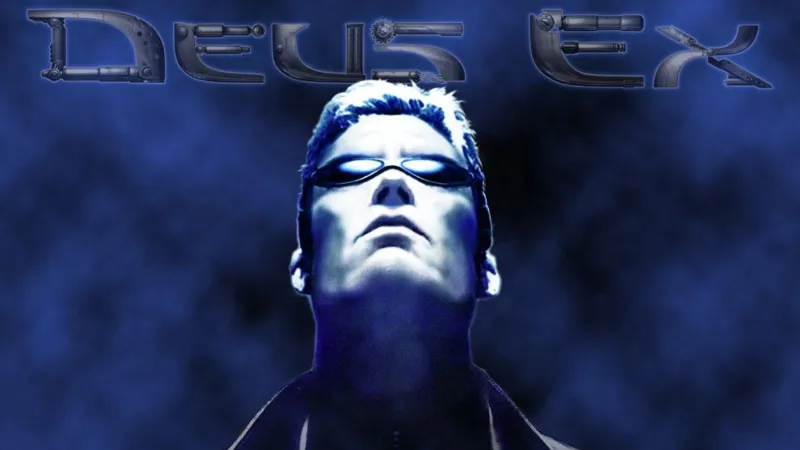
Deus Ex (2000)

“To all of you reading this I want you to remember that games are not a solved problem yet – there is, I hope, plenty of experimentation and innovation to come,” Specter writes. “And to all you young developers out there, I’ve said it before and I’ll say it again, your job is to make people forget people like me ever existed.

Will I come back? Never say never. But I think it’s time to ride off into the sunset.”

Specter’s career began at Origin, where he worked on games such as System Shock, Wing Commander, and the Ultima series before leaving to helm Looking Glass Studios Austin. There, he briefly worked on Thief: The Dark Project before joining John Romero’s Ion Storm to create Deus Ex and its sequel Deux: Ex Invisible War, as well as work on Thief: Deadly Shadows. 

In 2005, Spector founded Junction Point Studios, which partnered with Disney to create Epic Mickey (with Spector playing an instrumental role in resurrecting Disney’s pre-Mickey cartoon character, Oswald the Lucky Rabbit, after decades in obscurity). Spector joined Otherside Entertainment in 2016 to work on System Shock 3, which was later canceled with Tencent acquiring the IP, before working on the cooperative heist immersive sim Thick As Thieves, which launched in May. 

To read more about Warren Spector’s career, check out our June interview where he discussed his career and status as the self-proclaimed “oldest man in game development.” You can also read another recent feature where Spector shed some light on his involvement in the long-lost System Shock 3