Order Of The Sinking Star Launches In October

Game Informer

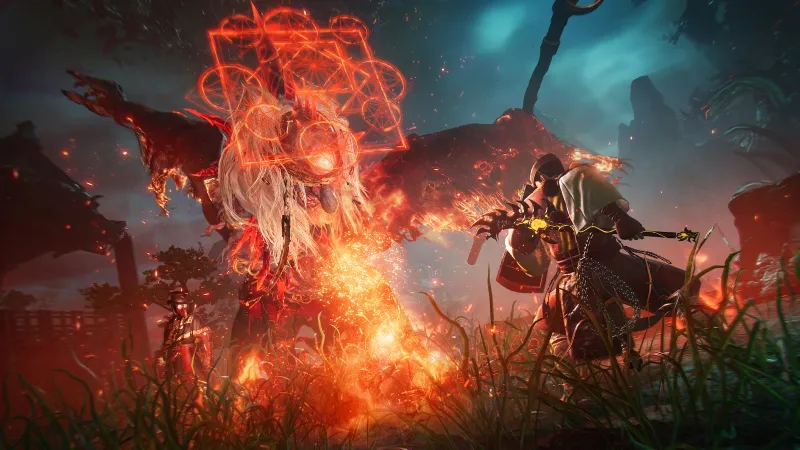
Order of the Sinking Star, the next puzzle game by Braid/The Witness creator Jonathan Blow and his team at Thekla, has a release date. The massive adventure arrives on October 8.

First revealed at The Game Awards 2025, Order of the Sinking Star unfolds in a fantasy world boasting over 1,000 unique, interconnected puzzles.  Players control a princess transported to another world made up of four biomes, each filled with bespoke characters and puzzles that, eventually, converge to blend their mechanics in increasingly complex ways. 

Because of the game’s immense size, Thekla also enlisted design help from other game designers such as Alan Hazelden (Skipping Stones to Lonely Homes, Mirror Isles), Sean Barrett (Promesst), Jonah Ostroff (Heroes of Sokoban), Zach Polansky (Enigmash), Patrick Traynor (Patrick’s Parabox), and Marc ten Bosch (Miegakure), among others. 

“Order of the Sinking Star simply wouldn’t exist without the incredible designers who helped work on it over the years,” said Jonathan Blow in a press release. “By creating a kind of game design supercollider, we were able to bring together ideas from some of the most brilliant puzzle designers in the industry. I’m grateful to everyone who contributed to help us push the limits of what’s possible in a puzzle adventure. We can’t wait for players to step into this world and discover just how deep and complex it really is.

Order of the Sinking Star will launch for PlayStation 5, Switch 2, and PC. 

Team Ninja Answers Our Burning Questions About Nioh 3’s First Story Expansion, Hell Rising

Game Informer

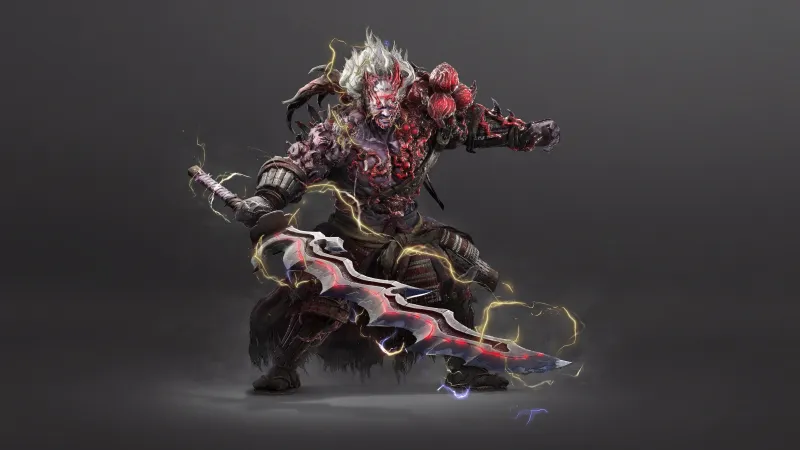
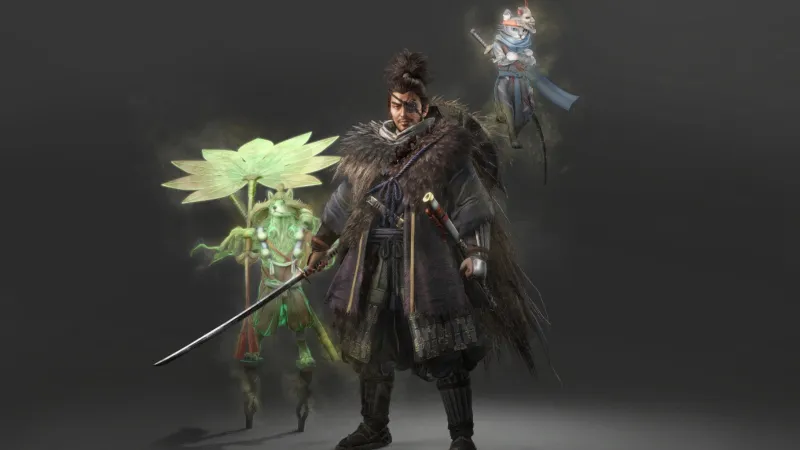
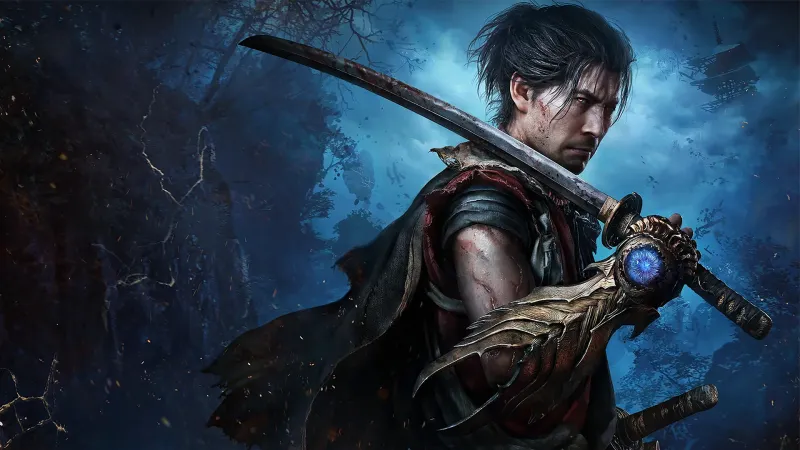
Nioh 3 was one of our favorite games from the early months of 2026, and the jumbo-sized adventure is getting a substantial story expansion called Hell Rising this week, August 19. Hell Rising introduces a new map set in the Keian era in 1651 following the death of shogun Takechiyo, as well as new enemies, weapons, equipment, and more. 

Following the expansion’s reveal, we had several questions about Hell Rising’s story (is protagonist Takechiyo really dead?), its overall size, and how its new systems complement the existing features. To elaborate on what Hell Rising brings to the table, we asked Team Ninja project manager Kohei Shibata, Nioh 3 game director Masaki Fujita, and level designer Atsushi Takahashi over email, who provided further details on what players can expect. 
Game Informer

Game Informer: How did you feel about the reception to Nioh 3, particularly how its “open field” design was received?

Kohei Shibata: We feel that many players have responded positively to the great synergy between Nioh and the open-field format. Crafting level designs that captured the signature tension and intensity of Nioh’s combat was a major challenge during development, but we packed in a wide range of ideas, and I am genuinely happy to see that effort bear fruit.

Was Hell Rising designed to address any specific player feedback from Nioh 3’s base campaign, and how does it, if so?

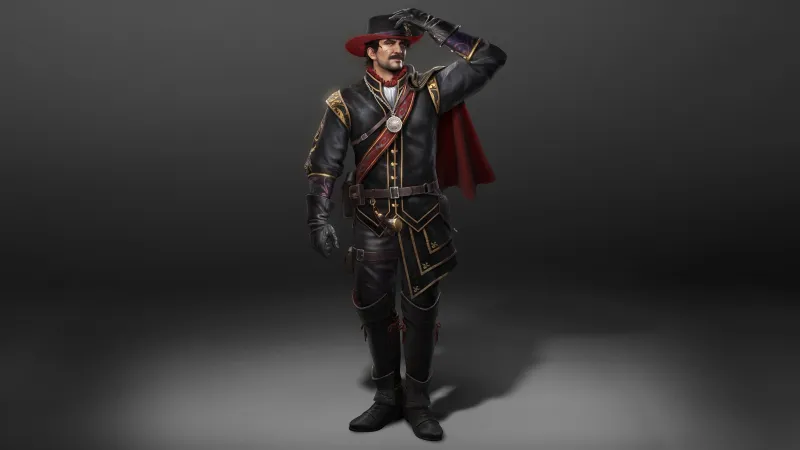
Masaki Fujita: Yes, the feedback we received for the base game of Nioh 3 has been incorporated into the DLC. For example, we’ve added pistol-based combat —which many players requested — as a new ninjutsu technique. On the loot-hunting front, high-value special effects will now be randomly applied to gear, allowing players to enjoy a deeper level of gear curation. In terms of the story experience, the DLC features documents such as letters and notes that can be discovered throughout the field. Reading these allows you to learn more about the characters, uncover the backstory behind events, and get a sense of the culture and customs of the people of that era.


Why did you set Hell Rising during the Keian Era? What are some key historical events or locations from the time that will be represented in-game?

Fujita: When it was decided that the theme would be “Shogun” and that Takechiyo, the grandson of Tokugawa Ieyasu, would be the protagonist, we also broadly determined what the main story and the DLC would cover. The main story is “the story of the protagonist becoming shogun,” while the DLC is “the story of what the protagonist accomplishes after becoming shogun.” When we think of historical figures who actually served as shogun, we tend to think about what they did. We felt that only by addressing what the protagonist accomplished as shogun could we properly bring a story centered on the theme of the shogun to a conclusion.

The Keian era is the period immediately following the rule of the protagonist Takechiyo as the Shogun. The incidents that occurred during that time were strongly influenced by Takechiyo’s rule. In this title, he travels through time into the future, where he comes to witness both the light and darkness of his own rule. We hope players will see how that experience is ultimately put to use in the conclusion encompassing both DLC 1 and DLC 2.

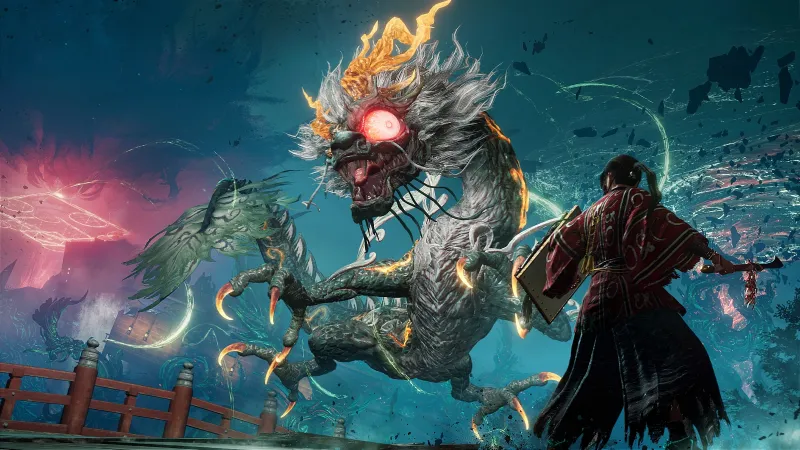
A pivotal historical event of the Keian era is the attempted rebellion led by Yui Shosetsu and his faction. While the historical plot was suppressed before the rebels could mobilize, the game depicts a scenario where they harness the power of Hell to summon yokai and launch an uprising; this results in widespread destruction across Edo and an assault on Edo Castle, the Shogun’s stronghold. Both Edo Castle and the city of Edo serve as the playable areas for this DLC.
Game Informer

I did a double take when I saw that Takechiyo dies; is that accurate? If so, who will players control in Hell Rising and why did you decide to kill off the protagonist?

Fujita: The year 1651 CE — the setting of Hell Rising — was a time of political instability, marked by the death of the Shogun and the recent ascension of a young successor to the shogunate. In other words, the story takes place after Takechiyo’s death, following a journey across time. Since the character the player controls is a version of Takechiyo who has traveled forward from the past, the protagonist of the main story does not, strictly speaking, meet his end.

Does Hell Rising require starting with a fresh character, or do our loot/abilities from the base campaign carry over?

Fujita: As mentioned above, the character players control is Takechiyo, who has traveled through time from the past; therefore, players will play using data carried over from the main game.

Can you name some specific benefits the Hundred Demon Realms Picture Scrolls provide, and how do they complement the already dense list of abilities?

Fujita: As the “Hundred Demon Realms Picture Scroll” will be added as a new category of equipment, players will equip a scroll in addition to their existing gear, further strengthening their character through the special effects it provides. Some of the special effects found on scrolls are similar to those available on existing equipment, but there are also several unique special effects that can only be found on scrolls. These include a group of special effects that require specific attributes, such as Valor or Heart, to reach a certain value before they can be activated, as well as a special effect that allows multiple Mastery Skills — which normally can only be activated one at a time — to be active simultaneously. These will have a significant impact on character builds. In addition, scrolls of Divine rarity will come with a Grace. This will allow players to gain one additional tier of a Grace’s set bonus, meaning that scrolls will also have a major impact on builds in this regard.

Game Informer

How big is Hell Rising, both in the size of the map compared to the current maps and the estimated length to complete?

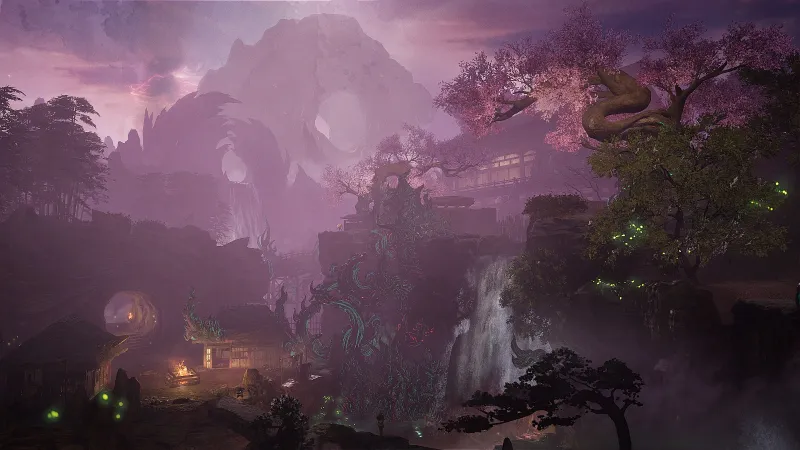
Atsushi Takahashi: In terms of scale, it is comparable to the Heian section of the main game. It will take more than 10 hours to complete “Edo-Keian,” while “Hell Rising” as a whole offers over 30 hours of content when including additional replay elements such as the newly added third playthrough. The open-field of “Edo-Keian” also features familiar locations such as Kanda and Ueno, as well as several distinct areas, including a massive aqueduct from which a local place name is derived, a multi-layered network of underground waterways, and a volcanic region where powerful enemies await. In addition to the level of challenge expected from a soulslike game, players can also enjoy the visual variety offered by these locations.

How does using the Hoko and Shield differ between the Samurai and Ninja styles?

Takahashi: The defining feature of the “Hoko and Shield” is its integration of offense and defense. Conventional combat involves guarding against or evading an enemy’s attack, then striking during the opening that follows. Unlike a parry, which deflects an attack by carefully judging the enemy’s timing, the Hoko and Shield allows players to block the attack and immediately drive their own attack into the enemy.

The samurai’s “Hoko and Shield” is a weapon that seamlessly combines offense and defense. By unleashing a strong attack or certain Active Skills in time with an enemy’s attack, players can deflect the blow with the shield while striking with the hoko. This allows them to engage even the most formidable foes head-on, outmaneuver them in a direct exchange, and drive them into a corner.

By contrast, the ninja’s “Ninja Hoko and Shield” is a highly versatile weapon. The shield can not only be used to deflect enemy attacks, but also thrown or even ridden, while being combined with attacks from the hoko. Players can move freely in every direction and bewilder their enemies by, for example, leaping into the air while performing techniques and hurling the shield down from above.

Can you elaborate on what the divine-rarity Grace set bonuses are and the benefits they provide?

Fujita: “Graces” are set bonuses randomly assigned to equipment of Divine rarity. By equipping multiple pieces of equipment bearing the same Grace, players can activate up to six special effects depending on the number of pieces equipped. In “Enlightened One’s Journey,” the third-playthrough difficulty level added in the DLC, new Graces that did not appear within the scope of the main game will be introduced. These are primarily designed to strengthen builds that have previously been unable to demonstrate their full potential, such as builds specializing in a particular element, Onmyo, or Living Artifact. Powerful set bonuses have been prepared to encourage players to reconsider the builds they used through their second playthrough.

Hell Rising will be available for Nioh 3 on August 19 for PlayStation 5 and PC. 

Team Ninja Answers Our Burning Questions About Nioh 3’s First Story Expansion, Hell Rising

Game Informer

Nioh 3 was one of our favorite games from the early months of 2026, and the jumbo-sized adventure is getting a substantial story expansion called Hell Rising this week, August 19. Hell Rising introduces a new map set in the Keian era in 1651 following the death of shogun Takechiyo, as well as new enemies, weapons, equipment, and more. 

Following the expansion’s reveal, we had several questions about Hell Rising’s story (is protagonist Takechiyo really dead?), its overall size, and how its new systems complement the existing features. To elaborate on what Hell Rising brings to the table, we asked Team Ninja project manager Kohei Shibata, Nioh 3 game director Masaki Fujita, and level designer Atsushi Takahashi over email, who provided further details on what players can expect. 

Game Informer

Game Informer: How did you feel about the reception to Nioh 3, particularly how its “open field” design was received?

Kohei Shibata: We feel that many players have responded positively to the great synergy between Nioh and the open-field format. Crafting level designs that captured the signature tension and intensity of Nioh’s combat was a major challenge during development, but we packed in a wide range of ideas, and I am genuinely happy to see that effort bear fruit.

Was Hell Rising designed to address any specific player feedback from Nioh 3’s base campaign, and how does it, if so?

Masaki Fujita: Yes, the feedback we received for the base game of Nioh 3 has been incorporated into the DLC. For example, we’ve added pistol-based combat —which many players requested — as a new ninjutsu technique. On the loot-hunting front, high-value special effects will now be randomly applied to gear, allowing players to enjoy a deeper level of gear curation. In terms of the story experience, the DLC features documents such as letters and notes that can be discovered throughout the field. Reading these allows you to learn more about the characters, uncover the backstory behind events, and get a sense of the culture and customs of the people of that era.


Why did you set Hell Rising during the Keian Era? What are some key historical events or locations from the time that will be represented in-game?

Fujita: When it was decided that the theme would be “Shogun” and that Takechiyo, the grandson of Tokugawa Ieyasu, would be the protagonist, we also broadly determined what the main story and the DLC would cover. The main story is “the story of the protagonist becoming shogun,” while the DLC is “the story of what the protagonist accomplishes after becoming shogun.” When we think of historical figures who actually served as shogun, we tend to think about what they did. We felt that only by addressing what the protagonist accomplished as shogun could we properly bring a story centered on the theme of the shogun to a conclusion.

The Keian era is the period immediately following the rule of the protagonist Takechiyo as the Shogun. The incidents that occurred during that time were strongly influenced by Takechiyo’s rule. In this title, he travels through time into the future, where he comes to witness both the light and darkness of his own rule. We hope players will see how that experience is ultimately put to use in the conclusion encompassing both DLC 1 and DLC 2.

A pivotal historical event of the Keian era is the attempted rebellion led by Yui Shosetsu and his faction. While the historical plot was suppressed before the rebels could mobilize, the game depicts a scenario where they harness the power of Hell to summon yokai and launch an uprising; this results in widespread destruction across Edo and an assault on Edo Castle, the Shogun’s stronghold. Both Edo Castle and the city of Edo serve as the playable areas for this DLC.

Game Informer

I did a double take when I saw that Takechiyo dies; is that accurate? If so, who will players control in Hell Rising and why did you decide to kill off the protagonist?

Fujita: The year 1651 CE — the setting of Hell Rising — was a time of political instability, marked by the death of the Shogun and the recent ascension of a young successor to the shogunate. In other words, the story takes place after Takechiyo’s death, following a journey across time. Since the character the player controls is a version of Takechiyo who has traveled forward from the past, the protagonist of the main story does not, strictly speaking, meet his end.

Does Hell Rising require starting with a fresh character, or do our loot/abilities from the base campaign carry over?

Fujita: As mentioned above, the character players control is Takechiyo, who has traveled through time from the past; therefore, players will play using data carried over from the main game.

Can you name some specific benefits the Hundred Demon Realms Picture Scrolls provide, and how do they complement the already dense list of abilities?

Fujita: As the “Hundred Demon Realms Picture Scroll” will be added as a new category of equipment, players will equip a scroll in addition to their existing gear, further strengthening their character through the special effects it provides. Some of the special effects found on scrolls are similar to those available on existing equipment, but there are also several unique special effects that can only be found on scrolls. These include a group of special effects that require specific attributes, such as Valor or Heart, to reach a certain value before they can be activated, as well as a special effect that allows multiple Mastery Skills — which normally can only be activated one at a time — to be active simultaneously. These will have a significant impact on character builds. In addition, scrolls of Divine rarity will come with a Grace. This will allow players to gain one additional tier of a Grace’s set bonus, meaning that scrolls will also have a major impact on builds in this regard.

Game Informer

How big is Hell Rising, both in the size of the map compared to the current maps and the estimated length to complete?

Atsushi Takahashi: In terms of scale, it is comparable to the Heian section of the main game. It will take more than 10 hours to complete “Edo-Keian,” while “Hell Rising” as a whole offers over 30 hours of content when including additional replay elements such as the newly added third playthrough. The open-field of “Edo-Keian” also features familiar locations such as Kanda and Ueno, as well as several distinct areas, including a massive aqueduct from which a local place name is derived, a multi-layered network of underground waterways, and a volcanic region where powerful enemies await. In addition to the level of challenge expected from a soulslike game, players can also enjoy the visual variety offered by these locations.

How does using the Hoko and Shield differ between the Samurai and Ninja styles?

Takahashi: The defining feature of the “Hoko and Shield” is its integration of offense and defense. Conventional combat involves guarding against or evading an enemy’s attack, then striking during the opening that follows. Unlike a parry, which deflects an attack by carefully judging the enemy’s timing, the Hoko and Shield allows players to block the attack and immediately drive their own attack into the enemy.

The samurai’s “Hoko and Shield” is a weapon that seamlessly combines offense and defense. By unleashing a strong attack or certain Active Skills in time with an enemy’s attack, players can deflect the blow with the shield while striking with the hoko. This allows them to engage even the most formidable foes head-on, outmaneuver them in a direct exchange, and drive them into a corner.

By contrast, the ninja’s “Ninja Hoko and Shield” is a highly versatile weapon. The shield can not only be used to deflect enemy attacks, but also thrown or even ridden, while being combined with attacks from the hoko. Players can move freely in every direction and bewilder their enemies by, for example, leaping into the air while performing techniques and hurling the shield down from above.

Can you elaborate on what the divine-rarity Grace set bonuses are and the benefits they provide?

Fujita: “Graces” are set bonuses randomly assigned to equipment of Divine rarity. By equipping multiple pieces of equipment bearing the same Grace, players can activate up to six special effects depending on the number of pieces equipped. In “Enlightened One’s Journey,” the third-playthrough difficulty level added in the DLC, new Graces that did not appear within the scope of the main game will be introduced. These are primarily designed to strengthen builds that have previously been unable to demonstrate their full potential, such as builds specializing in a particular element, Onmyo, or Living Artifact. Powerful set bonuses have been prepared to encourage players to reconsider the builds they used through their second playthrough.

Hell Rising will be available for Nioh 3 on August 19 for PlayStation 5 and PC. 
Exclusive Hands-On Preview: Exploring A Japanese Ghost House-Inspired Underground Lab In Onimusha: Way Of The Sword

Game Informer

Back in June, I traveled to Osaka, Japan, to visit Capcom’s HQ and play never-before-seen parts of Onimusha: Way of the Sword for hours, interview the team making it, and more. I did so to write Game Informer’s latest cover story (that subscribers can read right here), and as part of my coverage, I’ve been posting all kinds of exclusive behind-the-scenes features, interviews, news breakouts, and more; all of it can be viewed at Game Informer’s Onimusha: Way of the Sword hub

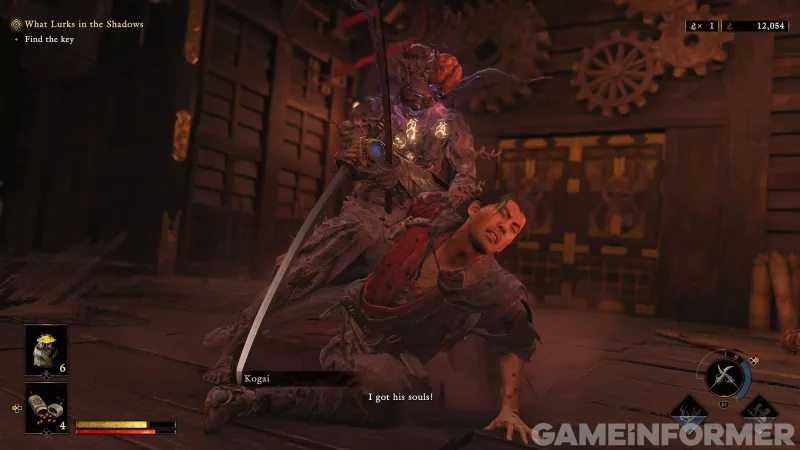
One of the most exciting parts of this cover story trip was playing through a stage set in the mysterious and terrifying underground lab that’s home to Dokyo, one of the more standout Genma players will encounter in the game when it launches next month. Below is an edited version of my preview thoughts on this section from my cover story, highlighting what I thought of Dokyo’s classic Japanese ghost house-inspired lab alongside developer commentary I received from interviewing the Onimusha: Way of the Sword team at Capcom. 

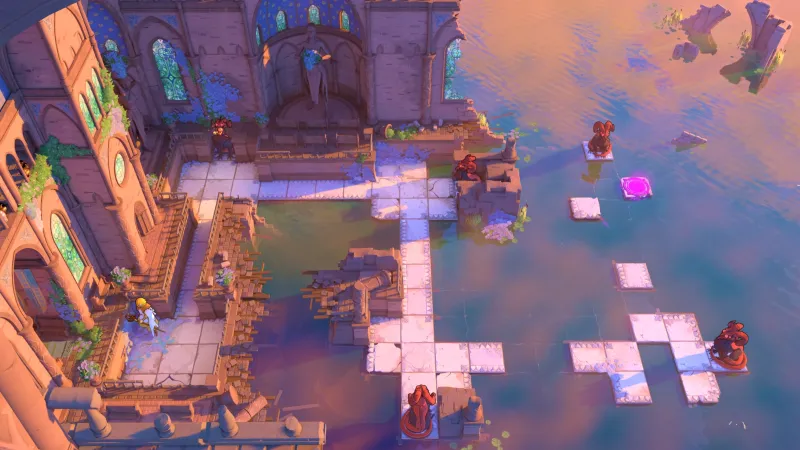
Director Satoru Nihei introduced this stage as one of the more horrific in Way of the Sword’s dark-fantasy action experience, likening it to a “classic Japanese ghost house.” Somewhat familiar with this subgenre of Japanese horror, it’s clear in what ways: shadows on the lab’s shoji highlight horrific body mutations and animal experiments gone wrong. All the while, the halls of this lab are dripping with blood that shines in the soft orange light of torches that illuminate an otherwise dark space; once-beautiful kimonos hang from the rafters above, and I can only assume they belong to the subjects of Dokyo’s experiments.

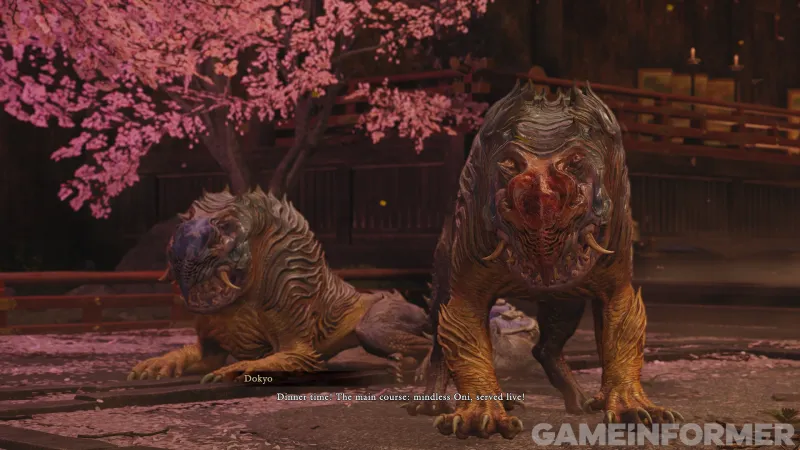
Dokyo is a shrill, petulant, and evil Genma, though more advanced than the mindless hordes hungry for souls I slice through by the dozen. Dokyo is hiding in plain sight in this underground lab, right beneath the imperial castle of Kyoto, doing unholy things to humans and animals alike in an effort to create even more terrifying Genma. She’s quite the scene-stealer, with a terrifying charisma that makes her the standout character of my time playing Way of the Sword. She’s twisted but determined, and that makes her a compelling voice to listen to as it echoes through this dungeon between my bouts with demons.

It’s this dungeon where I’m freed from the shackles of tutorialization, and it feels like protagonist Miyamoto Musashi has removed weights from his arms – I feel like the master history says this samurai was.

Game Informer

Though I love the action genre, I have admittedly grown bored with a lot of it, at least in the triple-A space. I’m rarely surprised mechanically, and tutorials seldom teach me anything new. I know what the buttons do just minutes into the experience. Way of the Sword is a refreshing change of pace in that regard, as a single playthrough of the game’s demo will see your time paused by a multitude of tutorials. The Issen returns – press one of the attack buttons just before an enemy’s hit lands to perform the deadly counter that’s been in Onimusha since the first game. Don’t worry, it’s still the hardest move to pull off in Way of the Sword, just like in older titles, as it requires the strictest timing.

But there’s also the standard Parry, which fills your Blazing Gauge that automatically lights Musashi’s sword up with blue flames for increased damage, and the Reflex Dodge, which fills your Reflex Gauge and sets Musashi up for a massive blow to an enemy’s back or side. The Break Issen attack can be performed when you have exhausted an enemy’s stamina enough, and you can significantly deplete that stamina with a deflection – swords, arrows, you name it, you can deflect it. You can also perform Chain Issen attacks to slice through multiple enemies in an otherworldly flash, and you can backstab unaware enemies for stealth insta-kills.

Are you following?

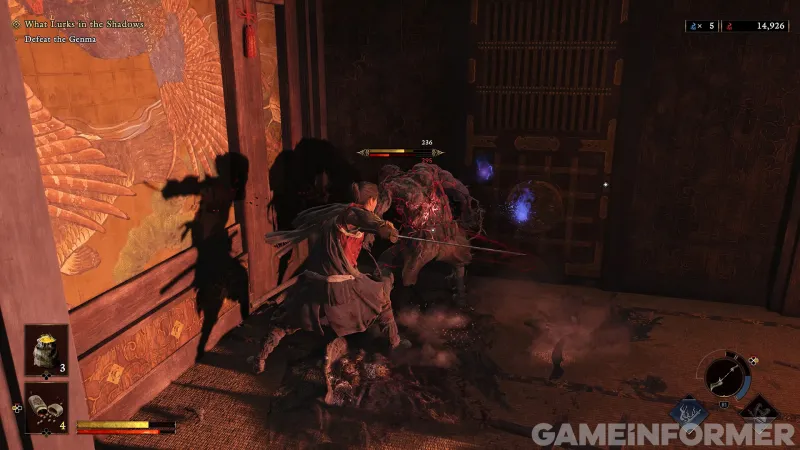
When you and an enemy perform the same type of attack, a Blade Barrage occurs, and to win, you need to use a sword attack other than the one you used before it to end the stalemate and damage the enemy. There are grab reversals, too, and Oni Armaments, which are powered-up bumper attacks that do a variety of things depending on which you have equipped – the Two Celestials, for example, do straight damage, while the Earth-Shaker hammers I utilize in the underground lab hit an enemy’s stamina bar heavily.

Within this multifaceted combat system, there are additional layers of complexity. I especially like that the sparks that fly from your blade and the associated sounds change depending on how early or late your parry attempt is. It is both a helpful notification of my parry timing and a diegetic gauge for improvement. When fighting bigger enemies like bosses, you can even choose where to place a Break Issen. For example, against Rasho-gan, I can target his head for extra damage or his torso for additional yellow health-granting souls.

Game Informer

It’s a level of expression contemporary action games have forgotten, but in hindsight, it’s exactly what I expect of the latest Onimusha game. After all, that combative creativity dates back to Onimusha: Warlords.

“Obviously, in the previous titles, Issen does feel great to use and pull off, but it happened so fast […] it’s hard to tell exactly what’s going on in that moment and so one of the things that Nihei-san approached me about with this title was trying to make the Issen a little more realistic and a little more grounded – like what would that look like, what would it feel like?” animation team lead Hiroshi Yugen tells me. He adds that there are around 10 different variations that Musashi can pull off depending on attacks coming from different angles and more.

Yugen’s biggest goal with Way of the Sword’s combat was to take the larger-than-life moments present in the cutscenes of previous Onimusha games and imbue the gameplay with that feeling. What was once only possible in Onimusha cutscenes is how Way of the Sword plays. That’s highlighted best in this underground lab, as I slash through dozens of Genma, splitting their fleshy corpses and watching as two distinct halves slide to the wooden slats below. Yugen calls it the “Dynamic Dismemberment System,” and I can already imagine the ways the Resident Evil developers in nearby offices might use this technology in new games.

“[This dismemberment] is not something that’s existed in any other title before, and it’s something that, on a technical level, needed to be added to the RE Engine [by Capcom’s engineers],” Yugen says. “Adding this feature was quite difficult because we wanted to combine it with the enemy deaths. In a lot of samurai dramas, they have a very exaggerated classic death where they are on screen for an extra five or six seconds and then slowly fall to the ground. To have that together with this dynamic dismemberment system on a technical level is quite tricky, so it’s something we really had to ask the programmers to introduce.”


The result is a satisfying death animation for every single Genma in the game, assuming you deplete their stamina like a proper samurai and enact the Break Issen or one of Musashi’s various other finishing moves. Between this cover story and multiple playthroughs of the demo, I’ve played probably four hours of Way of the Sword, and the dismemberments remain a delightful, if grotesque, visual to see on screen at the hands of my blade.

Yugen teases the behind-the-scenes motion-capture videos, bragging like a proud father about how the various swordsmen who performed the actions for this game went to great lengths to sell the effect in the studio. Motion capture is one of the ways Yugen and Nihei hope to make Way of the Sword feel like a modern action title. There are exaggerated elements but Yugen stresses that real-life samurai experts and choreographers performed the actions of Musashi as well as the larger-than-life movements of bosses like the eight-armed Rasho-gan and Dokyo, with her extended neck and uncanny appendages.

These technical, visual, and mechanical achievements are on display in the two boss fights of the underground lab. While searching for a girl trapped somewhere within, Musashi comes face to face with Byakue – Hundred Defilements, a boss that grows stronger the more you damage it. While I’m one to rush into combat swinging left and right, Byakue forces me to adjust my playstyle on the fly. I stay back, watch his wide-swinging moves and lunges, and look for entry points to do the most damage. My eyes widen as I deflect one of his spinning blade attacks, metal sparks showering the stage – it’s yet another moment where I just feel cool. This sentiment is present throughout my time playing Way of the Sword, and I appreciate that the Onimusha series hasn’t lost its touch in the 20-year absence.

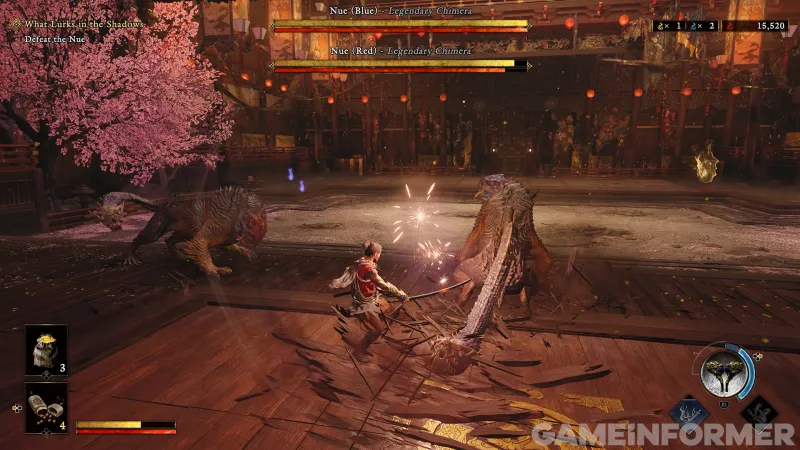
Defeating Byakue yields me the aforementioned Earth-Shaker hammers, which become critical to defeating a dual-chimera boss at the end of the stage. These Chimera, called Nue in this fight, are a pair of mythical beasts inspired by various animals, one red and one blue, with electric tails that, yet again, force me to adjust my playstyle on the fly. Rushing in with slashes and swings only ends in Game Over screens. Instead, a defensive approach is required, as the only path to success is one of parries, Reflex Dodges, and Issens. While I’m wary of even bringing up a Soulslike comparison – and don’t worry, Nihei and the team stress to me that Onimusha is absolutely not a Soulslike, and I concur – I am reminded of moments in FromSoftware games where the best strategy is to learn the boss’ attacks and simply counter them all.

Game Informer

That’s what I do against the Nue, and after the umpteenth Break Issen, I am successful (and scared, because Yugen teases that a larger chimera boss awaits me later in the game). A closing cutscene of Dokyo’s bloody labyrinth is my reward, and though I won’t spoil what I see, I’ll reaffirm that Dokyo is the most compelling character on screen in Way of the Sword so far.

I’ll continue diving deeper into Capcom’s return to Onimusha as part of Game Informer’s month of Way of the Sword coverage. We’ll be publishing exclusive gameplay and behind-the-scenes videos (including a Rapid-Fire Interview) on the Game Informer YouTube channel as well. Keep an eye on the Onimusha: Way of the Sword coverage hub so you don’t miss any of it.

In the meantime, here’s some additional Onimusha: Way of the Sword reading for you:

Are you playing Onimusha: Way of the Sword next month? Let us know in the comments below!

Exclusive Hands-On Preview: Exploring A Japanese Ghost House-Inspired Underground Lab In Onimusha: Way Of The Sword

Game Informer

Back in June, I traveled to Osaka, Japan, to visit Capcom’s HQ and play never-before-seen parts of Onimusha: Way of the Sword for hours, interview the team making it, and more. I did so to write Game Informer’s latest cover story (that subscribers can read right here), and as part of my coverage, I’ve been posting all kinds of exclusive behind-the-scenes features, interviews, news breakouts, and more; all of it can be viewed at Game Informer’s Onimusha: Way of the Sword hub

One of the most exciting parts of this cover story trip was playing through a stage set in the mysterious and terrifying underground lab that’s home to Dokyo, one of the more standout Genma players will encounter in the game when it launches next month. Below is an edited version of my preview thoughts on this section from my cover story, highlighting what I thought of Dokyo’s classic Japanese ghost house-inspired lab alongside developer commentary I received from interviewing the Onimusha: Way of the Sword team at Capcom. 

Director Satoru Nihei introduced this stage as one of the more horrific in Way of the Sword’s dark-fantasy action experience, likening it to a “classic Japanese ghost house.” Somewhat familiar with this subgenre of Japanese horror, it’s clear in what ways: shadows on the lab’s shoji highlight horrific body mutations and animal experiments gone wrong. All the while, the halls of this lab are dripping with blood that shines in the soft orange light of torches that illuminate an otherwise dark space; once-beautiful kimonos hang from the rafters above, and I can only assume they belong to the subjects of Dokyo’s experiments.

Dokyo is a shrill, petulant, and evil Genma, though more advanced than the mindless hordes hungry for souls I slice through by the dozen. Dokyo is hiding in plain sight in this underground lab, right beneath the imperial castle of Kyoto, doing unholy things to humans and animals alike in an effort to create even more terrifying Genma. She’s quite the scene-stealer, with a terrifying charisma that makes her the standout character of my time playing Way of the Sword. She’s twisted but determined, and that makes her a compelling voice to listen to as it echoes through this dungeon between my bouts with demons.

It’s this dungeon where I’m freed from the shackles of tutorialization, and it feels like protagonist Miyamoto Musashi has removed weights from his arms – I feel like the master history says this samurai was.

Game Informer

Though I love the action genre, I have admittedly grown bored with a lot of it, at least in the triple-A space. I’m rarely surprised mechanically, and tutorials seldom teach me anything new. I know what the buttons do just minutes into the experience. Way of the Sword is a refreshing change of pace in that regard, as a single playthrough of the game’s demo will see your time paused by a multitude of tutorials. The Issen returns – press one of the attack buttons just before an enemy’s hit lands to perform the deadly counter that’s been in Onimusha since the first game. Don’t worry, it’s still the hardest move to pull off in Way of the Sword, just like in older titles, as it requires the strictest timing.

But there’s also the standard Parry, which fills your Blazing Gauge that automatically lights Musashi’s sword up with blue flames for increased damage, and the Reflex Dodge, which fills your Reflex Gauge and sets Musashi up for a massive blow to an enemy’s back or side. The Break Issen attack can be performed when you have exhausted an enemy’s stamina enough, and you can significantly deplete that stamina with a deflection – swords, arrows, you name it, you can deflect it. You can also perform Chain Issen attacks to slice through multiple enemies in an otherworldly flash, and you can backstab unaware enemies for stealth insta-kills.

Are you following?

When you and an enemy perform the same type of attack, a Blade Barrage occurs, and to win, you need to use a sword attack other than the one you used before it to end the stalemate and damage the enemy. There are grab reversals, too, and Oni Armaments, which are powered-up bumper attacks that do a variety of things depending on which you have equipped – the Two Celestials, for example, do straight damage, while the Earth-Shaker hammers I utilize in the underground lab hit an enemy’s stamina bar heavily.

Within this multifaceted combat system, there are additional layers of complexity. I especially like that the sparks that fly from your blade and the associated sounds change depending on how early or late your parry attempt is. It is both a helpful notification of my parry timing and a diegetic gauge for improvement. When fighting bigger enemies like bosses, you can even choose where to place a Break Issen. For example, against Rasho-gan, I can target his head for extra damage or his torso for additional yellow health-granting souls.

Game Informer

It’s a level of expression contemporary action games have forgotten, but in hindsight, it’s exactly what I expect of the latest Onimusha game. After all, that combative creativity dates back to Onimusha: Warlords.

“Obviously, in the previous titles, Issen does feel great to use and pull off, but it happened so fast […] it’s hard to tell exactly what’s going on in that moment and so one of the things that Nihei-san approached me about with this title was trying to make the Issen a little more realistic and a little more grounded – like what would that look like, what would it feel like?” animation team lead Hiroshi Yugen tells me. He adds that there are around 10 different variations that Musashi can pull off depending on attacks coming from different angles and more.

Yugen’s biggest goal with Way of the Sword’s combat was to take the larger-than-life moments present in the cutscenes of previous Onimusha games and imbue the gameplay with that feeling. What was once only possible in Onimusha cutscenes is how Way of the Sword plays. That’s highlighted best in this underground lab, as I slash through dozens of Genma, splitting their fleshy corpses and watching as two distinct halves slide to the wooden slats below. Yugen calls it the “Dynamic Dismemberment System,” and I can already imagine the ways the Resident Evil developers in nearby offices might use this technology in new games.

“[This dismemberment] is not something that’s existed in any other title before, and it’s something that, on a technical level, needed to be added to the RE Engine [by Capcom’s engineers],” Yugen says. “Adding this feature was quite difficult because we wanted to combine it with the enemy deaths. In a lot of samurai dramas, they have a very exaggerated classic death where they are on screen for an extra five or six seconds and then slowly fall to the ground. To have that together with this dynamic dismemberment system on a technical level is quite tricky, so it’s something we really had to ask the programmers to introduce.”


The result is a satisfying death animation for every single Genma in the game, assuming you deplete their stamina like a proper samurai and enact the Break Issen or one of Musashi’s various other finishing moves. Between this cover story and multiple playthroughs of the demo, I’ve played probably four hours of Way of the Sword, and the dismemberments remain a delightful, if grotesque, visual to see on screen at the hands of my blade.

Yugen teases the behind-the-scenes motion-capture videos, bragging like a proud father about how the various swordsmen who performed the actions for this game went to great lengths to sell the effect in the studio. Motion capture is one of the ways Yugen and Nihei hope to make Way of the Sword feel like a modern action title. There are exaggerated elements but Yugen stresses that real-life samurai experts and choreographers performed the actions of Musashi as well as the larger-than-life movements of bosses like the eight-armed Rasho-gan and Dokyo, with her extended neck and uncanny appendages.

These technical, visual, and mechanical achievements are on display in the two boss fights of the underground lab. While searching for a girl trapped somewhere within, Musashi comes face to face with Byakue – Hundred Defilements, a boss that grows stronger the more you damage it. While I’m one to rush into combat swinging left and right, Byakue forces me to adjust my playstyle on the fly. I stay back, watch his wide-swinging moves and lunges, and look for entry points to do the most damage. My eyes widen as I deflect one of his spinning blade attacks, metal sparks showering the stage – it’s yet another moment where I just feel cool. This sentiment is present throughout my time playing Way of the Sword, and I appreciate that the Onimusha series hasn’t lost its touch in the 20-year absence.

Defeating Byakue yields me the aforementioned Earth-Shaker hammers, which become critical to defeating a dual-chimera boss at the end of the stage. These Chimera, called Nue in this fight, are a pair of mythical beasts inspired by various animals, one red and one blue, with electric tails that, yet again, force me to adjust my playstyle on the fly. Rushing in with slashes and swings only ends in Game Over screens. Instead, a defensive approach is required, as the only path to success is one of parries, Reflex Dodges, and Issens. While I’m wary of even bringing up a Soulslike comparison – and don’t worry, Nihei and the team stress to me that Onimusha is absolutely not a Soulslike, and I concur – I am reminded of moments in FromSoftware games where the best strategy is to learn the boss’ attacks and simply counter them all.

Game Informer

That’s what I do against the Nue, and after the umpteenth Break Issen, I am successful (and scared, because Yugen teases that a larger chimera boss awaits me later in the game). A closing cutscene of Dokyo’s bloody labyrinth is my reward, and though I won’t spoil what I see, I’ll reaffirm that Dokyo is the most compelling character on screen in Way of the Sword so far.

I’ll continue diving deeper into Capcom’s return to Onimusha as part of Game Informer’s month of Way of the Sword coverage. We’ll be publishing exclusive gameplay and behind-the-scenes videos (including a Rapid-Fire Interview) on the Game Informer YouTube channel as well. Keep an eye on the Onimusha: Way of the Sword coverage hub so you don’t miss any of it.

In the meantime, here’s some additional Onimusha: Way of the Sword reading for you:

Are you playing Onimusha: Way of the Sword next month? Let us know in the comments below!

Check Out The Final Pre-Launch Trailer For Star Wars Zero Company

Game Informer

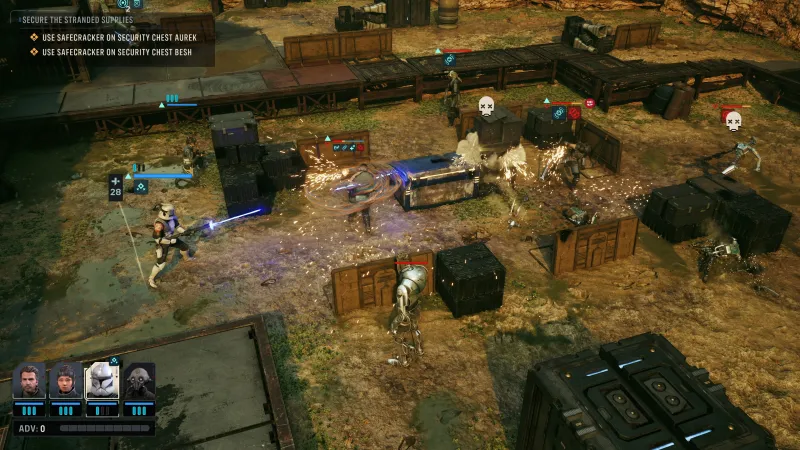
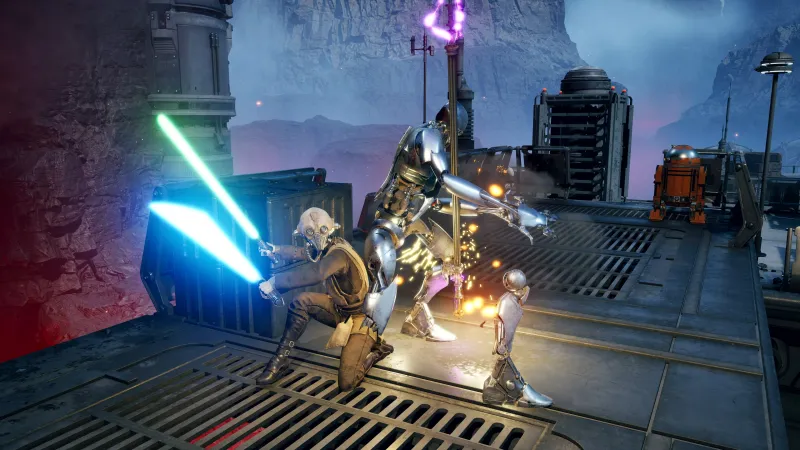
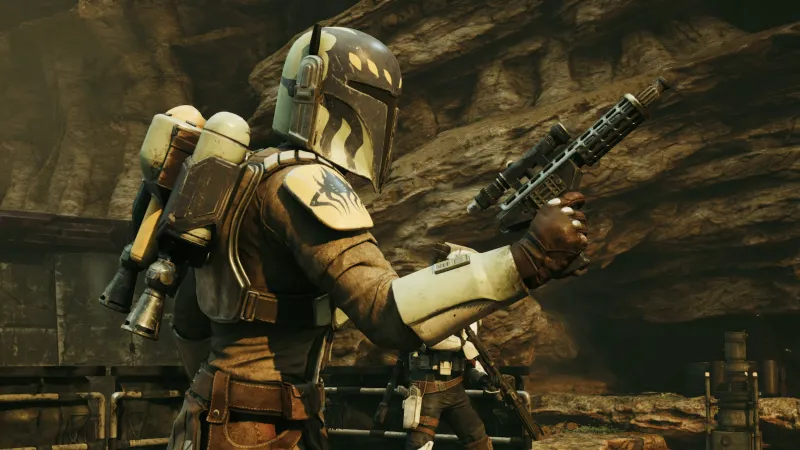
Star Wars Zero Company is out next week, and if you couldn’t tell from our preview impressions, we’re pretty excited about it. But speaking as a person who didn’t get to play that preview build, I’m clinging to every new piece of footage I get, and today’s trailer is no different. Labeled as the “final trailer,” it shows how the game’s main cast of characters comes together to face off against Fathom, Zero Company’s main antagonist. You can watch for yourself below.

Fathom is the leader of a cult called the Infinite Coil, which the party is tasked with taking down. Her militarized influence on the galaxy and ability to unite such a diverse coalition against her make it pretty clear that she’s bad news, but this trailer also shows her saying things like, “My plague will show you the truth,” which is textbook villain dialogue. The trailer shines a spotlight on the game’s cast one-by-one, giving the surprisingly stacked voice cast a chance to shine, though it looks like we only see the male version of Hawks, the protagonist. The trailer concludes with a shot of a ship flying right into the nose of a Venator, a move as cool as it is reckless.


Star Wars Zero Company is out a week from Thursday, on August 27, on PS5, Xbox Series X/S, and PC. For more on promising upcoming tactics games, check out our hands-on preview for Fire Emblem: Fortune’s Weave. For more video games set in that galaxy far, far away, check out our episode of New Gameplay Today on Star Wars: Galactic Racer.

Marvel Cosmic Invasion Gets Doctor Doom DLC This Fall

Game Informer

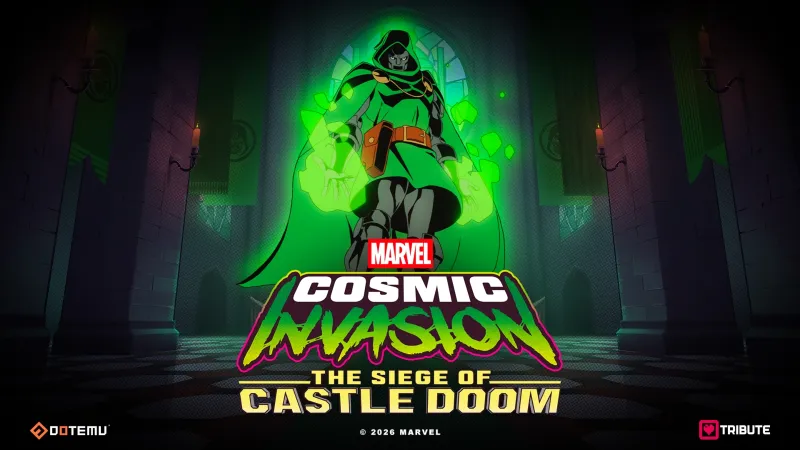
Marvel Cosmic Invasion is getting a new story expansion centered on Fantastic Four nemesis and Avengers: Doomsday poster boy, Doctor Doom. The Siege of Castle Doom arrives in the retro-inspired cooperative beat ‘em up this fall.

The Siege of Castle Doom is a paid DLC described as a new game mode that places Doctor Doom front and center, but with no trailer or screenshots, there’s no word on what he’s up to. We do know that the DLC will introduce two new playable characters. The last characters to be added to Marvel Cosmic Invasion were Cyclops and The Thing (who, funny enough, both appear in Avengers: Doomsday) in May, so could we see more X-Men/Fantastic Four members? Perhaps characters unaffliated with either team? We’ll have to wait and see.

The Siege of Castle Doom will be available for all versions of Marvel Cosmic Invasion: PlayStation 5, Xbox Series X/S, Switch 2, PlayStation 4, Switch, and PC. For more on the game, be sure to read our review

Fortnite’s Upcoming Season Includes Crossovers With Iconic Games Like Sonic, Mega Man, Persona, and Kingdom Hearts

Game Informer

Fortnite’s newest season, Override, begins on August 20, and yesterday’s trailer confirmed the new map and battle pass will be centered on a wide range of video game crossovers. The most notable inclusion is Sonic the Hedgehog; he’ll be playable as a skin (stretched to fit Fortnite’s standard proportions), and elements of Green Hill Zone will appear on the map. The new footage shows Jonesy running fast enough to go upside-down on one of the series’ staple gravity-defying loops.

However, Sonic is just the tip of the iceberg in Chapter 7, Season 4 of Fortnite. In addition to other characters from his universe, including Tails, Dr. Eggman, and Shadow, the trailer also includes glimpses of Mega Man, Crash Bandicoot, Spyro the Dragon, Joker from Persona 5, and giant Tetris blocks that fall from the sky. Key art released by the official Fortnite account also shows glimpses of Pac-Man and Sora from Kingdom Hearts (who we recently saw a lot of in the new D23 footage). Meanwhile, it looks like other characters who have appeared as skins in past seasons, like Master Chief, Geralt, Ryu, and Lara Croft, are also returning (to the battle shop).

Game Informer

Gameplay-wise, the trailer also shows a backpack-based power-up system, where wearing items associated with characters like Sonic or Tails gives you the powers of speed or flight, respectively. We also see weapons like Mega Man’s arm cannon and the 8-bit shotgun, the latter of which seems to track the player’s score. The trailer concludes with a glimpse of Geno, a major villain in Fortnite’s lore who will presumably be appearing as a boss for players to battle.

You can check out the full trailer below:

Fortnite’s Chapter 7, Season 4 Override begins on August 20, and you can play it on basically every platform you can think of: PS5, Xbox Series X/S, Switch 2, PS4, Xbox One, Switch, PC, iOS, and Android.

Hayden Panettiere, Actor Of Nashville, Heroes, And Voice Of Kingdom Hearts’ Kairi, Has Passed Away

Game Informer

Hayden Panettiere, the actor known for TV series such as Nashville and Heroes, and the former voice performer for Kairi in the Kingdom Hearts series, has passed away. She was 36.

Panettiere’s extensive credits include roles in films such as Remember the Titans, I Love You, Beth Cooper, Scream 4, and, most recently, Sleepwalker. She portrayed Juliette Barnes in the CMT series Nashville and Claire Bennet in Heroes and Heroes Reborn.

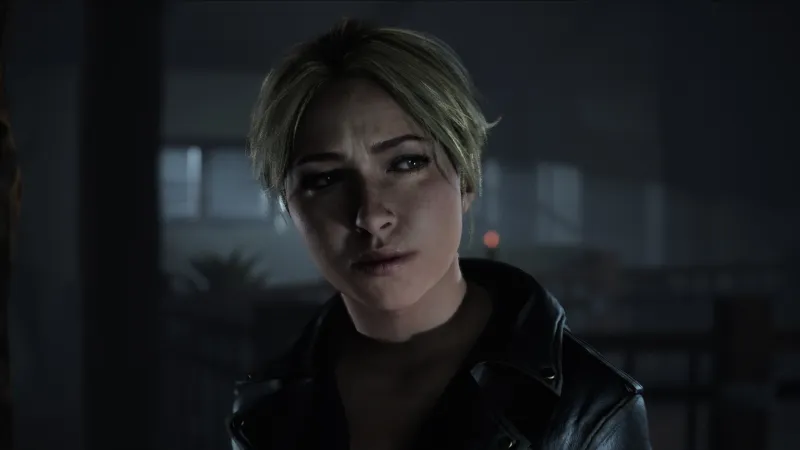
Video game fans will recognize Panettiere as the original English voice of Kairi in multiple Kingdom Hearts games. She played Kairi in Kingdom Hearts, Kingdom Hearts II, Kingdom Hearts: Birth by Sleep, and Kingdom Hearts 3D: Dream Drop Distance. Panettiere did not return in Kingdom Hearts III, as Alyson Stoner took over Kairi’s role. Panettiere also appeared in the 2015 horror game Until Dawn (and its 2024 remake) as Samantha “Sam” Giddings, one of the primary characters for which she lent her likeness and performed motion capture. 

Game Informer

Hayden Panettiere in Until Dawn (2024)

Game Informer extends its condolences to the family and loved ones of Hayden Panettiere. 

A Hogwarts Legacy Sequel Is Officially In Development

Game Informer

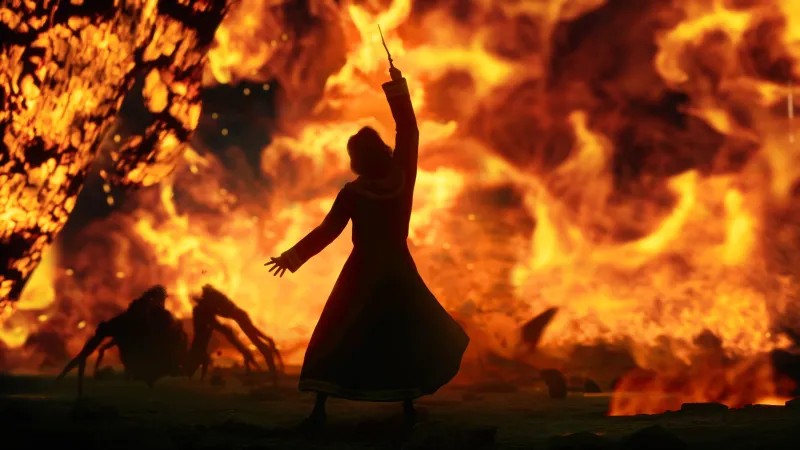
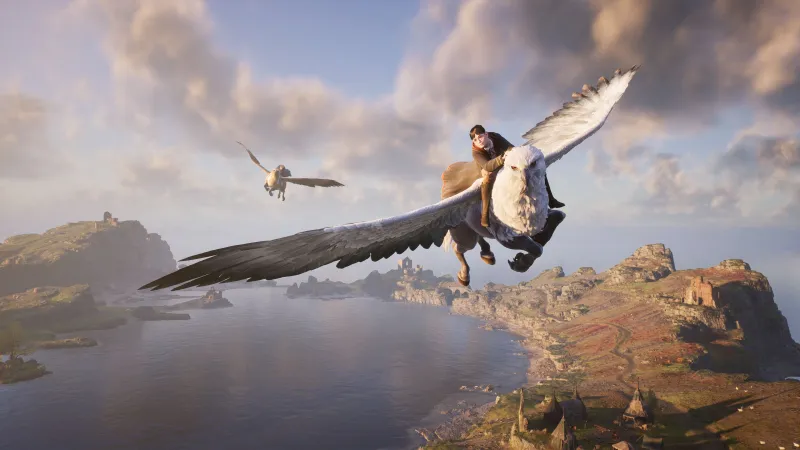
Warner Bros. Interactive has confirmed that a sequel to Hogwarts Legacy, the 2023 Harry Potter game that has sold more than 22 million copies, is in development in its latest financial earnings report. The company refers to it as the “second installment” of Hogwarts Legacy, stopping short of giving it an official title. Developer Avalanche, which made the first game, is presumably the primary studio behind this sequel. 

It’s not surprising that a Hogwarts Legacy sequel is happening, considering it was the best-selling game of 2023, beating out the usual top-spot holder, Call of Duty, which received a new sequel that year in the form of Call of Duty: Modern Warfare III.  The first game unfolds in the 1890s, a century before Harry’s saga, with players controlling a new Hogwarts student who wields a mysterious form of ancient magic, takes classes, learns spells, and unravels a conspiracy threatening the wizarding world. 

Game Informer

Hogwarts Legacy was the top trending game search on Google in 2023. Despite the excitement the game garnered from fans, it also courted controversy due to Harry Potter series author J.K. Rowling’s inflammatory statements and actions towards and about the trans community. In 2019, Rowling began to reveal her anti-trans sentiment, expressing support for a tax specialist who made anti-trans tweets, as noted by GLAAD. In the years since, her support for anti-trans groups and anti-trans lawmaking has continued and been amplified, funded by her Harry Potter earnings. She has even created an organization dedicated to removing trans people’s rights “in the workplace, in public life, and in protected female spaces,” according to Advocate’s reporting. Last year, Rowling tweeted that she loves “when a plan comes together,” in response to a U.K. Supreme Court ruling considered an anti-trans win (and loss for the trans community).  Notably, Rowling was a financial backer of the group that sued the Scottish National Parliament, resulting in this U.K. Supreme Court ruling. 

All of this is to say that Rowling uses the funds she makes from the Harry Potter franchise to fund anti-trans groups and target the trans community, which makes up roughly 1% of the world’s population.  Though Warner Bros. Interactive said Rowling was not involved in the creation of Hogwarts Legacy, she undoubtedly made money off of it. It remains to be seen if she’ll have any involvement with the in-development Hogwarts Legacy sequel. 

Hogwarts Legacy launched on PlayStation 5, Xbox Series X/S, and PC in February 2023, with PlayStation 4, Xbox One, and Nintendo Switch versions later that year. A Nintendo Switch 2 version was released last year. 

How do you feel about a Hogwarts Legacy sequel? Let us know in the comments below!