Big Walk Sells One Million Copies In Less Than A Week

Game Informer

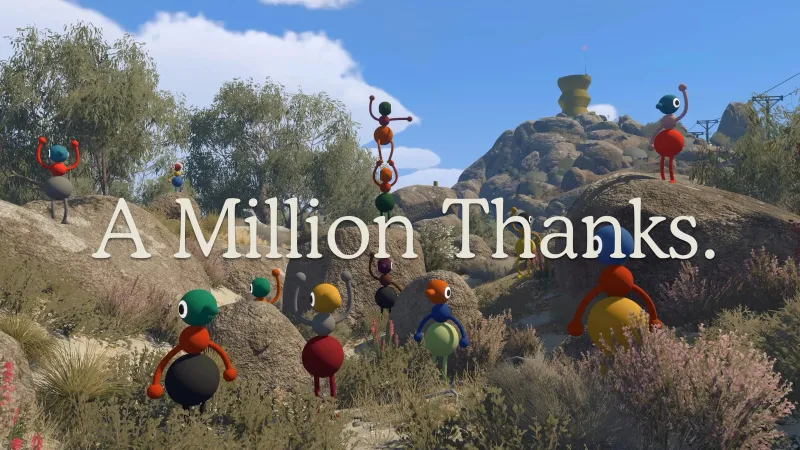
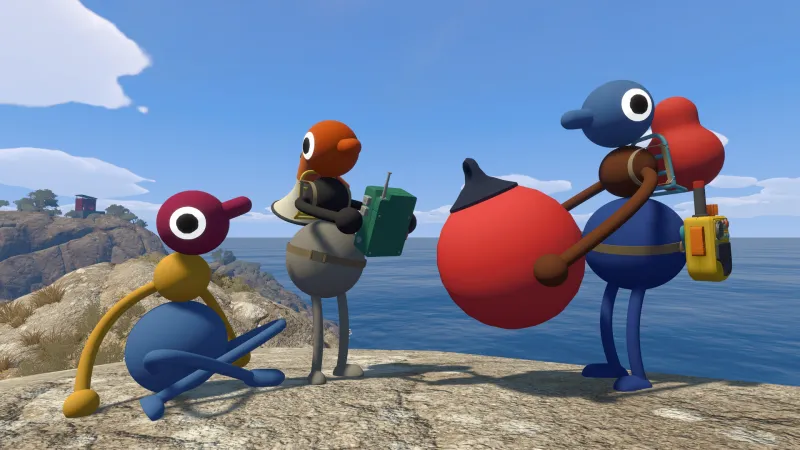
Big Walk, the recently released multiplayer puzzle game from House House, has officially sold one million copies. It’s a major milestone to hit for any game, but it’s especially significant for an indie developer.  Big Walk’s publisher Panic shared the news with a post on social media earlier today, with an image you can see below.

Game Informer

“In just six days, over one million of you have bought Big Walk, our co-op adventure all about talking and walking,” the post from Panic reads. “We are so grateful that so many of you are spending time with our game. And we deeply appreciate your fanart, your streams, your stories, and your moments. Thank you for playing.”

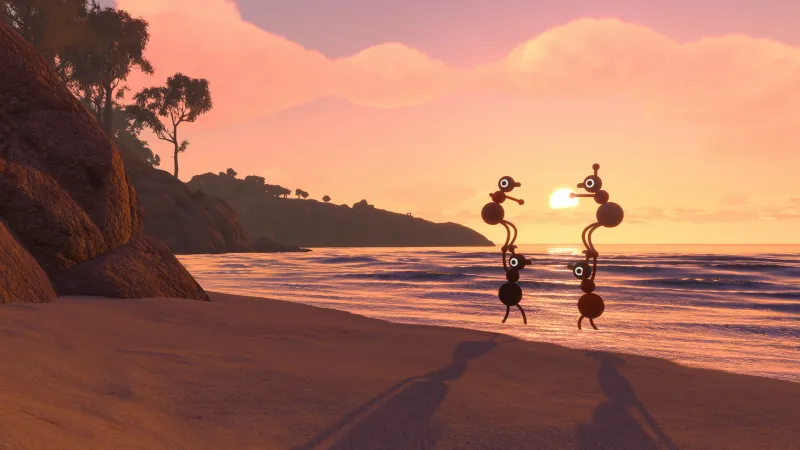
Big Walk is a game where a party of players explores a large open world to complete challenges that test their puzzle, platforming, and communication skills. It’s built around in-game communication systems, like proximity chat and non-verbal emotes, so using something like Discord is a no-go – half the fun is figuring out how to tell your friends what they need to do. It’s also multiplayer only (sorry, single-player fans) but supports groups from anywhere between two and 12 players.

We loved Big Walk, and our reviewer wrote, “In the nine hours it took my crew of three to see the end of Big Walk, though, it felt like we had made a real journey together. We laughed a lot and came up with many absurd puzzle solutions that still somehow worked. Big Walk’s excellent finale effectively brought the message home: more than anything, this was our shared walk.” You can read the full review here.

Big Walk is available now on PS5, Switch 2, and PC. For more on developer House House, check out our review of its last project, Untitled Goose Game.

Onimusha: Way Of The Sword Isn’t An Open World Game, And It Isn’t A Soulslike Either

Game Informer

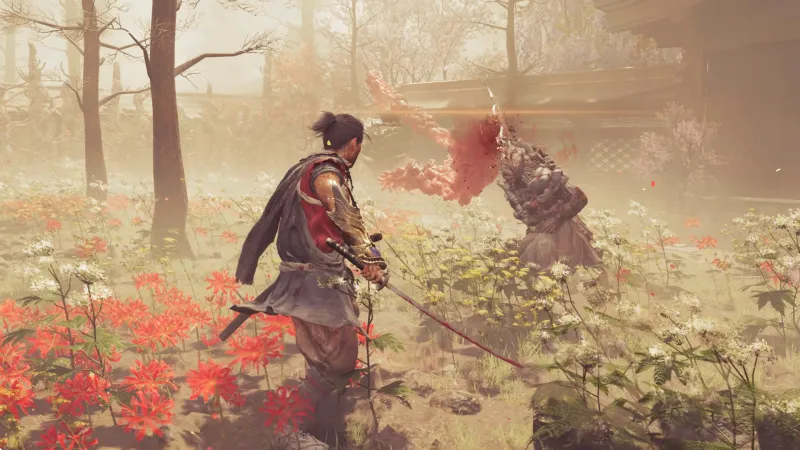
Onimusha is almost back. The latest installment, Onimusha: Way of the Sword, launches next month after a 20-year hiatus within Capcom’s samurai action series. Way of the Sword is also the latest game to grace the cover of Game Informer, and to write that cover story (that subscribers can read right here), I traveled to Osaka, Japan, to visit Capcom HQ, play never-before-seen parts of the game, and interview the team making it. It was during this play session that I learned and confirmed Way of the Sword is not an open-world game, and it isn’t a Soulslike either, despite what you may think. 

If you’ve played the demo for Way of the Sword, which is available on PlayStation 5, Xbox Series X/S, and PC (but not Nintendo Switch 2, despite the game launching there next month as well), you already know this, but the game is definitely not a Soulslike, and director Satoru Nihei confirmed as much when I asked him; it is a character action game, through and through. 

Yes, there are challenging boss fights that will test your understanding of protagonist Miyamoto Musashi’s samurai combat kit. Yes, you will die a lot. But you don’t lose resources when you die that you then have to recover next time you’re alive. There is also nothing as challenging as what you’d expect in a Soulslike, both in terms of bosses and standard mob enemies, and you won’t find the treacherous exploration typically associated with the genre either. Instead, Way of the Sword is a game about mastering Musashi’s blade, using the environment around you to win, and slicing up demon after demon. 

Another thing the demo indicates to the player is that Way of the Sword is not an open-world game, and Nihei and the team at Capcom also confirmed as much. That said, they do describe a hub-like section of Kyoto, which is where the game is set, as an “open-town.” While not open world, this open-town section is wider than the standard stages you’ll play through during Way of the Sword, and it features plenty of side paths, secrets, hidden places, and more to discover through exploration. There are side quests to pick up, NPCs to interact with, items to find, vendors to interact with, and more. So, while there won’t be a massive map full of checklists to mark, typical of open-world games, the main hub of Way of the Sword will provide a scaled-down version of that feel with its open-town Kyoto. 

Game Informer

Fortunately, Way of the Sword is just weeks away, meaning we can all experience the full scope of the game’s action and open-town exploration soon. 

I’ll continue diving deeper into Capcom’s return to Onimusha as part of Game Informer’s month of Way of the Sword coverage. We’ll be publishing exclusive gameplay and behind-the-scenes videos (including a Rapid-Fire Interview) on the Game Informer YouTube channel as well. Keep an eye on the Onimusha: Way of the Sword coverage hub so you don’t miss any of it.  

In the meantime, here’s some additional Onimusha: Way of the Sword reading for you:

Are you glad Onimusha: Way of the Sword isn’t an open-world game or a Soulslike? Let us know in the comments below!

1666: Amsterdam – Hands-On With The Assassin’s Creed Creator’s Long-Awaited Passion Project

Game Informer

Platform:
PC

Publisher:
Panache Digital Games

Developer:
Panache Digital Games

Assassin’s Creed creator Patrice Désilets has moved mountains to bring his passion project 1666: Amsterdam to fruition. The witchcraft-focused action-adventure game was originally conceived over 15 years ago while Désilets was still at Ubisoft. Through a series of tumultuous events, the project has changed studios and been at the center of a years-long lawsuit over rights ownership between Ubisoft and Désilets. 

Now that 1666: Amsterdam will finally see the light of day, I traveled overseas to its namesake city to play an hour-long build Panache Digital Games prepared for media, which I do at the Amsterdam Dungeon, a local horror attraction that’s part Universal Halloween Horror Nights, part history lesson. Amid the muffled screams of guests enduring the dungeon’s creepy rooms and spirited live performers, it creates the perfect atmosphere to dive into Panache’s occult adventure. 

Game Informer

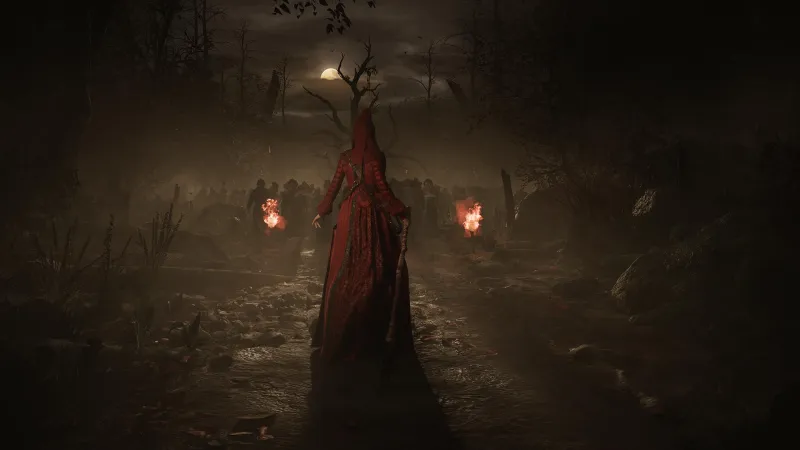
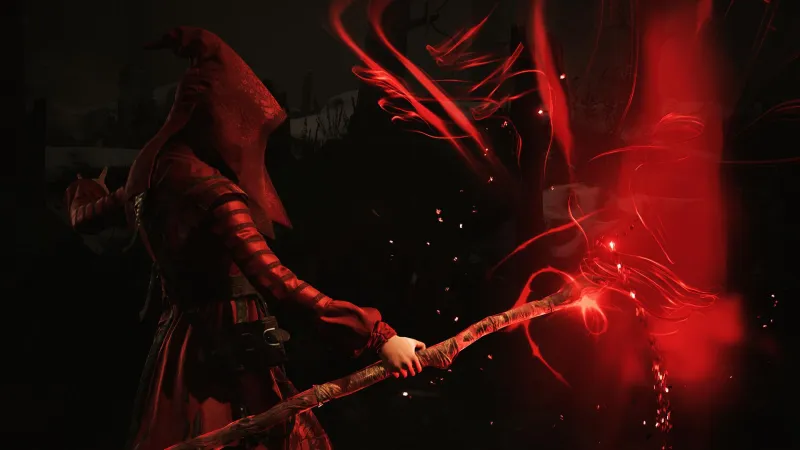
The demo begins immediately after the free prologue chapter that launched alongside the game’s re-reveal at Summer Game Fest. I control Noa Brooklyn, a young crimson-clad witch who has just completed her initiation into the Zaindaris, a magical faction that raised her to become a Collector. Noa’s primary purpose is to identify and eliminate entities called Originals, powerful beings who can assume human form to live amongst us, sometimes for centuries. The Zaindaris granted the Originals their power long ago by bestowing Nux, an ancient magic, upon chosen individuals in an attempt to elevate humanity; instead, the Nux corrupted many of them over time, and they now pose a danger to the world. The Zaindaris have since been engaged in a generations-long cycle of training a Collector to reclaim the Originals’ power to restore balance. Now, it’s Noa’s turn. 

Noa’s journey won’t be the only time period players will experience. In a fitting twist from the mind behind Assassin’s Creed, the game prominently features a more contemporary setting. It’s New Year’s Eve in 1999, and a young man named Aaron visits Amsterdam with his lover. Turns out his partner is secretly a Zaindaris. They engage in a sex ritual that somehow transports Aaron’s consciousness to 1666, where he awakens in the body of a cat during the night of Noa’s ritual; Noa chooses him as her familiar, or Union Cat. This begins a fascinating partnership between the steadfast Noa and reluctant Aaron as they must work to help one another. But there’s one more era at play. 

If you played the prologue, you met a woman named Clio, seemingly in the 2020s, investigating a letter from her father. Clio’s dad, it turns out, is Aaron, and his message recounting his and Noa’s adventure serves as the narration. Clio’s full role in 1666: Amsterdam is unclear, but given she was evidently conceived during the ritual that kicks off the game’s events, it’s clearly important. 
Game Informer

After completing the ritual, the gathering is interrupted by witch-hunting militia. Chaos ensues, giving me the first sample of combat. The right shoulder trigger unleashes a basic combo attack, with Noa pummeling foes using her staff. Stunning them at the brink of death triggers a flashy final blow. A dodge allows Noa to evade attacks from the often four or five enemies surrounding her, and she consumes potions to heal. The melee combat doesn’t pack much satisfying impact in this in-development build, but it gets the point across. The enemies also tend to take turns attacking, which feels disappointingly dated and reminds me of dealing with mobs in the early Assassin’s Creed games. Defeating a group paves the way for another mob to take their place, with dramatic camera zooms displaying their shouts such as “Don’t move” and “Blaggard.” It’s a stylish touch, but one I grew tired of after consecutive encounters. I’d rather they just take their lickings without the prerequisite introduction.

The only magic attack at my disposal lets me blow up objects such as barrels and crates. This proves much more satisfying, and can instantly kill or heavily damage nearby targets. However, Désilets later reveals in a separate hands-off demo other abilities Noa will gain. For example, she can unleash tendrils that ensnare and suspend foes, and temporarily petrify enemies, among other powers. Gathering Nux energy allows Noa to perform these feats, and they look fun to pull off. 

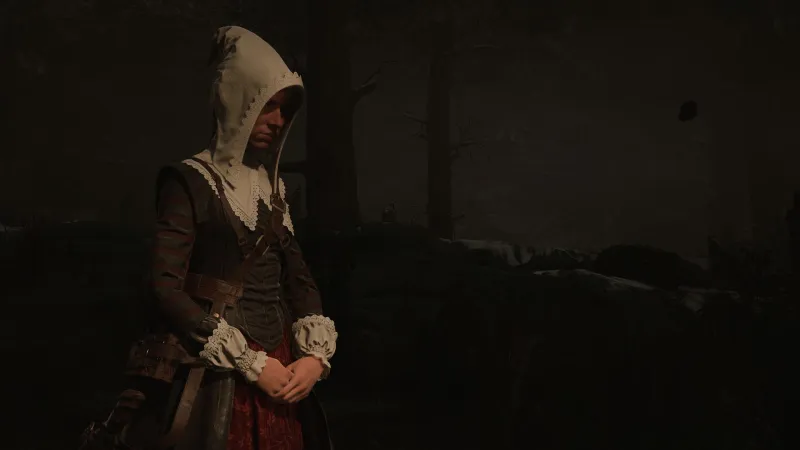
Noa also commands traversal abilities, such as the power to glide over water and warp across platforms to quickly get around a freely explorable Amsterdam that, while large, is denser than wide. This scale is partly due to Panache being a smaller team – 70 employees strong – and its goal of ensuring that every building has explorable interiors. This design choice plays into another key part of 1666: Amsterdam: investigating Originals. Finding them involves unearthing clues such as notes (often by scavenging homes and businesses), analyzing your surroundings for helpful details, and speaking with citizens to glean the required information: their appearance, seal, and original name. Investigations occur during the day. Once night falls, it’s time to confront the Original.
Game Informer

Another surprise is that missions have a roguelike element. After accepting a contract to hunt an Original, players choose one of three powers from a randomized pool. These can be stat buffs such as increased health or offensive powers like the aforementioned Petrify. Panache gives players the freedom to investigate Originals as they see fit, with many avenues for gathering information discreetly or more chaotically. Sadly, I only get to watch Désilets tackle a full investigation, but finding clever ways to track down Originals looks to be the bulk of 1666: Amsterdam’s gameplay. I hope it’s fleshed out well enough to remain consistently engaging. 

To explore more safely, Noa can freely shift between her witch and civilian appearances. The latter draws less attention and makes citizens more amenable towards you. This matters, as an attention meter builds whenever you do questionable things, such as peeking through windows in front of others or openly performing magical acts. A filled meter invites the full wrath of the militia, forcing you to either fight your way to safety or flee to one of many safehouses Noa can retreat to in order to extinguish the heat. These safehouses also allow her to craft potions using recipes and ingredients found by searching through spaces. If the militia defeats Noa, she’ll be sent to prison, where you’ll have to escape. However, Panache is still figuring out this particular element and how severely it will punish multiple incarcerations. 

As for Noa’s partner Aaron, you can switch control to him at any time. As a cat, he can access places Noa can’t. Panache has created buildings that can be accessed in multiple ways. Aaron can leap up and around buildings to enter them, bypassing locked doors and opening them for Noa. Like everything else in this shaky development build, platforming was rough and occasionally unresponsive, but it reminded me of Stray’s deliberate yet graceful traversal. 

Aaron can also distract certain guards eager to pet him. On the flip side, those fearful of black cats are vulnerable to possession. Approaching a frightened person and hitting R2 unleashes a hiss, followed by a timed minigame where Aaron pounces upon them and scratches their face. This act allows Aaron to hijack their bodies, useful for exploring and letting Noa into restricted spaces. Aaron can also transmute Lux into Nux. I enjoyed the dynamic of switching between Noa and Aaron to figure out how to combine their unique talents to access tricky locations. 

Game Informer

The game’s digital Amsterdam is impressively realized. Panache’s environmental level and art direction draw inspiration from 17th-century Dutch painter Johannes Vermeer (historically living during the game’s timeframe), famed for specializing in domestic interior scenes capturing everyday life of the period. 1666: Amsterdam’s visual presentation has a painterly flourish that adds flair to the 3D models. 

When 1666: Amsterdam becomes available in Early Access on August 25, players can only explore the game’s early chapters, but Désilets calls it a “pretty big chunk” of content. He confirms that the game’s story outline, lore, and rules are complete, with Panache polishing and expanding dialogue and gameplay mechanics. Désilets emphasizes Panache’s eagerness to build the game with the community, and says to expect it to remain in Early Access for at least one year. As a self-professed “old timer,” Désilets recalls the days when a game printed to disc was complete and unchanging, flaws and all. He’s excited for players to witness 1666: Amsterdam’s development and, hopefully, provide valuable feedback. Désilets also confirms the game’s reported AI placeholder assets have been removed and no such content is present in the Early Access launch.

My demo of 1666: Amsterdam was, as expected, rough around the edges, as an in-development build of a game launching in Early Access. The experience didn’t wow me from a polish standpoint, and I worry if the game will at least feel more stable and fun to play than the build I played when it arrives in a couple of weeks. But there are exciting gameplay and narrative ideas at play with Désilets leaning on some concepts from Assassin’s Creed but reworking them under a cool witchcraft premise. After over a decade of waiting and uncertainty, it’s tough not to feel happy for Désilets and even inspired by his persistence to will 1666: Amsterdam into existence. The project has a long road ahead, and although it could be off to a rocky start, here’s hoping it can eventually realize its enchanting potential.

Big Walk + Beast Of Reincarnation Reviews w/ Jesse Vitelli

Game Informer

It’s another week of The Game Informer Show, and we’ve got a spectacular guest to help us break down some releases, new and old! 

Jesse Vitelli joins Alex and Eric as the trio that walked through Big Walk together, and really enjoyed it. Then Wesley and Marcus discuss Game Freak’s new original IP, Beast of Reincarnation. Finally, Alex has been checking out Esoteric Ebb and wants to share a bit about it. 

The Game Informer Show is a weekly podcast covering the video game industry. Join us every Friday for chats about video game reviews, news, and exclusive reveals alongside Game Informer staff and special guests from around the industry. Support the show by subscribing to our physical video game magazine! 

Watch or listen here:

Listen to “779_audio” on Spreaker.

Follow the hosts and our guest:

Jump around using these timestamps: 

  • 00:00 – Intro 
  • 08:36 – Big Walk 
  • 37:45 – Beast of Reincarnation 
  • 1:11:42 – Esoteric Ebb

The Video Games And More You Should Play This Weekend – August 7, 2026

Game Informer

The weekend is upon us and it’s full of quality video games. Cooperative games, versus games, farming games, and one Pokopia game. But before we share those, however, here are some of the biggest stories of the week.

Game Informer

Big Walk

Eric Van Allen

Got some friends? Are they far apart? Do you not mind turning off your Discord, putting on proximity chat, and adventuring around an island to solve some puzzles and get into some antics? Big Walk is getting some big buzz, and for good reason: it’s hard to think of any co-op game that’s captured this specific kind of experience before now. Its puzzles are lighthearted and interactive, encouraging physicality and inventive thinking, without being Myst-level head-scratchers. The foley and sound are spectacular, and each new experience is a new excuse to do something silly with your pals. If you’ve got a group looking for their next co-op run, Big Walk should be it.

Read Game Informer‘s Big Walk Review

Game Informer

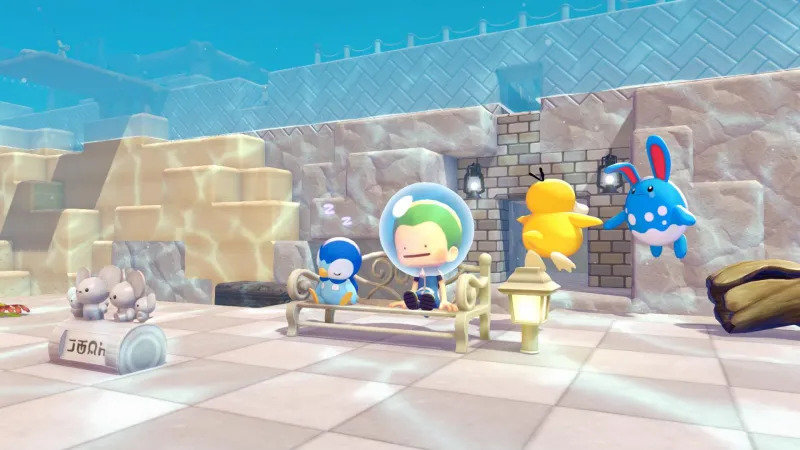
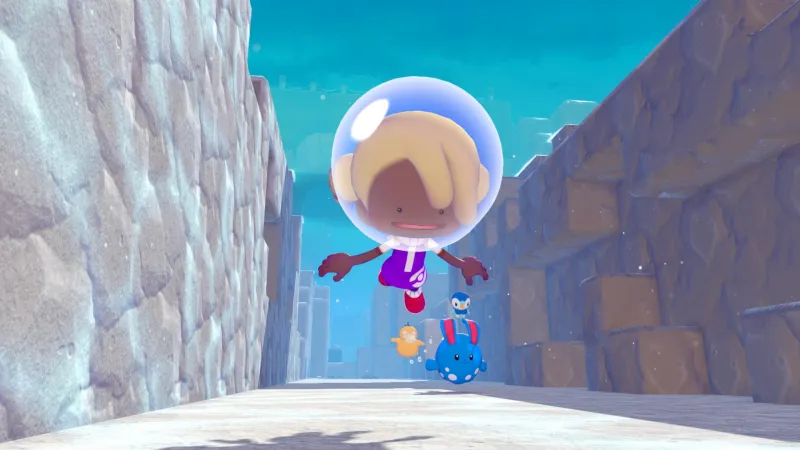
Pokémon Pokopia Bubbly Basin DLC

Brian Shea

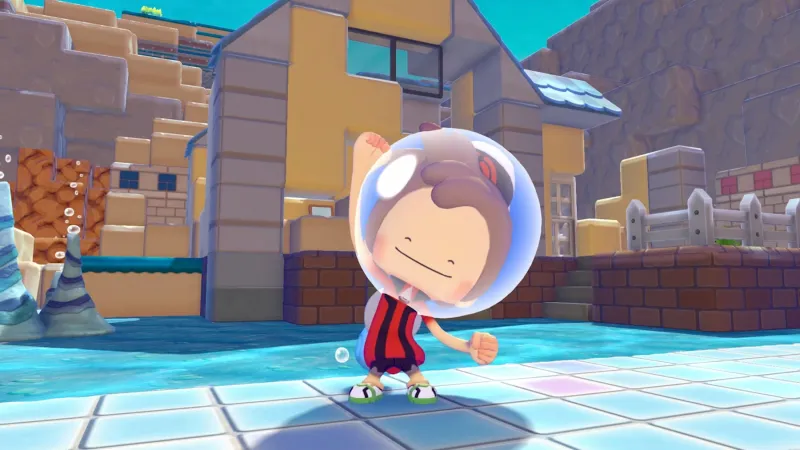
Pokémon Pokopia’s Bubbly Basin expansion, the first of three parts, hit this week, and it’s exactly what I wanted: more Pokopia. When it launched earlier this year, Pokopia went from a game I was interested in primarily due to its connection to Pokémon to a game I still consider my favorite of 2026. The free update that hit alongside Bubbly Basin adds the ability to dive underwater and other quality-of-life updates, but the paid DLC gives you an entire new underwater biome to explore using the new Dive ability. The new area is chockful of new underwater caves to explore, Pokémon to befriend, tasks to complete, and Easter eggs that link it to an iconic area of the Kanto region. I thought I was done with Pokopia after pouring so many hours into it earlier this year, but now I’m sucked back in, thanks to the Bubbly Basin DLC.

Read Game Informer‘s Pokémon Pokopia Review

Game Informer

Marvel Tōkon: Fighting Souls

Eric Van Allen

It’s launch weekend for Tōkon, so players are finally digging into the full roster of Arc System Works’ new 4v4 fighter. Though the Steam reviews have been a bit troubling so far – much of the negativity stemming from Linux and anti-cheat issues – it’s been a pretty entertaining fighting game thus far. These are the best days to play a fighting game, after all, as everyone is logging on, running matches, and figuring the systems out. I’ve been getting a firmer handle on the tag mechanics and ways of sprinkling in assists and mix-ups, and think my team of Blade/Doom/Danger/Black Panther is solidifying. I’ll be interested to see how it fits in with the current crop of visible, high-level fighting games, but for a weekend of running sets with your pals, Tōkon is pretty solid. It’s fast, visually gorgeous, easy to pick up but with some solid depth, and the roster is fantastic; I love some of the dips into both fighting game history, with Deadpool’s arsenal of fighting game references, and the unique slice of Marvel’s broader gallery. Any game where I can play as a walking, talking version of the Danger Room is pretty sick.

Game Informer

Fields Of Mistria

Charles Harte

Fields of Mistria finally exited early access this week, so if you, like me, have been waiting for a chance to check out this cozy life sim inspired by games like Stardew Valley and Harvest Moon, now’s your chance. It’s a crowded genre, especially in the indie space, so it’s a big deal that the game amassed over 20,000 positive reviews on steam in early access and proceeded to sell a million copies just hours after launch. With farming, fishing, combat, decorating, magic abilities, and a village full of neighbors to meet (or marry), there’s no shortage of things to. It’s even got a 10% launch discount. It’s still a PC exclusive, though – here’s hoping they’ve got a Switch 2 version in the works.

Game Informer

Lies Of P On Switch 2

Kyle Hilliard

Games inspired by Dark Souls, colloquially referred as Soulslikes, are plentiful, but only a few have risen to the heights of From Software’s landmark design acumen. Lies of P, the gothic retelling of the 1883 novel, The Adventures of Pinocchio, is among that group. It’s a great game with an arguably bad name, and as of yesterday, it is available on Switch 2. I didn’t dive super deep into my replay of Lies of P on Switch 2, but as has been the case with many Switch 2 ports… it’s solid! It looks good and plays well. I originally played the game on Steam Deck, but it looks and feels better on Nintendo’s handheld. In the future if I have a hankering to beat up some robots as a young Victorian boy in a gothic setting, this is the version I will be reaching for.


Read Game Informer‘s Lies Of P Review

Game Informer

Final Fantasy XIV On Switch 2

Eric Van Allen

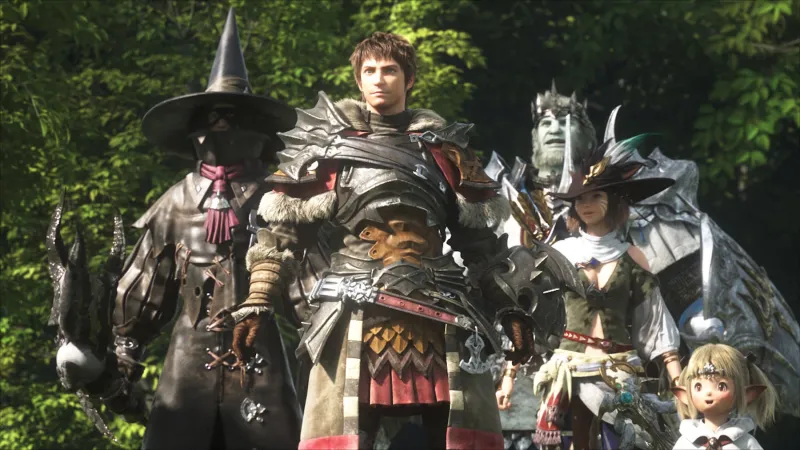
Have you heard of the critically acclaimed MMORPG Final Fantasy XIV, with a free trial up through the award-winning Heavensward, Stormblood, and Shadowbringers expansions? Sign-up memes aside, Final Fantasy XIV is one of the biggest MMOs in the world, and for good reason. With XIV arriving on Switch 2 this week, that’s a good excuse for anyone still holding out to finally jump in. In my personal opinion, you should; some loading issues aside, reports are in that the Switch 2 version seems to be handling the computing load well. Plus, the trial running up through Shadowbringers means you can experience some of the best RPG storytelling in the last decade. My personal sprint from A Realm Reborn through to Endwalker is still among my favorite gaming experiences, ever, and I’m almost tempted to roll a new character on the Switch 2.

It’s worth noting that for existing players that want to have a portable version of Final Fantasy XIV, you will annoyingly need to pay for a second subscription to play on Switch 2. If you’re a Switch 2 owner looking for a long game to play, though, and no shortage of things to do in it, Final Fantasy XIV is waiting for you.

Game Informer

Marvel’s Spider-Man 2

Kyle Hilliard

Insomniac’s Marvels’ Spider-Man 2 released in 2023, but it remains a good game. You can read our review right here where we gave it a 9.5/10. Since its release it has been getting tweaked and improved and new suits have been added, but the game has been fairly quiet over the last year. Recently, however, two new suits have been added to the game. The Spider-Man: Brand New Day suit from the what is inexplicably, apparently the most successful movie ever is now in the game.

Game Informer

Another fun nod to recent Spider-Man media, the wall crawler’s suit from Marvel Tōkon: Fighting Souls has also been added. As an added bonus alongside the suits, Marvel’s Spider-Man 2 now also supports Enhanced PSSR on PS5 Pro and a Power Saver mode. It’s all basically a bunch of solid excuses to boot up a great game after watching the new movie.


Read Game Informer‘s Marvel’s Spider-Man 2 Review

Game Informer

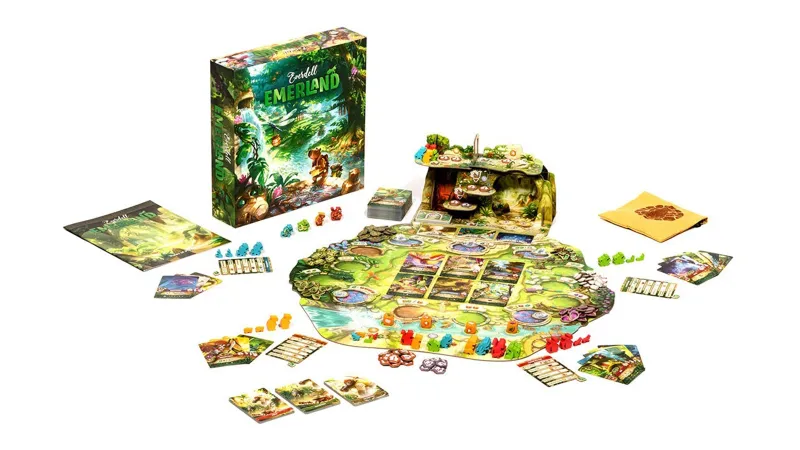
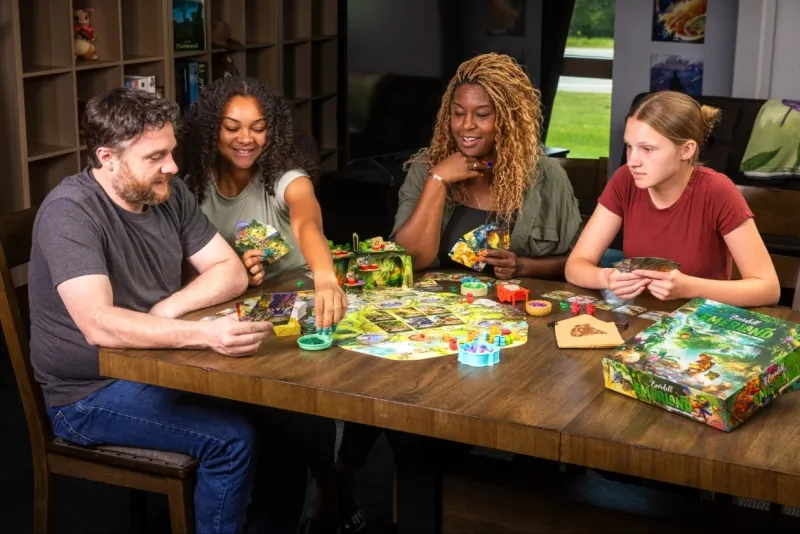
Tabletop Pick – Everdell Emerland

Matt Miller

Visit a distant and mysterious jungle, send out workers to find gems and other valuables, and discover the secrets of an ancient civilization – all with the help of anthropomorphic animal friends. Since the 2018 release of Everdell, we’ve seen several new installments that expand the excellent board game franchise in new directions. The newest installment, Emerland, sees the worker placement and tableau-building experience shift over into a jungle setting (including some fascinating ruins to explore), but it maintains much of what has made the series so attractive over the years.

Game Informer

Chief among those great traits is the vibrant and beautiful art, as well as the gorgeous table presence, which includes 3D elements on the board that elevate things both figuratively and literally. Several new mechanics make Emerland slightly more complex than earlier installments, but nothing that should scare off players with even a modest understanding of core board game concepts. And lest the word “series” scare you off: Be assured, Emerland is entirely standalone, and serves as a perfectly acceptable first game in the franchise to explore. Emerland is hitting wide release right now; if you’re lucky, copies should start showing up at your favorite hobby store already.

For more weekend gaming recommendations, follow the link!

Pokémon Pokopia’s Bubbly Basin Impressions – A Super-Effective Splash

Pokémon Pokopia

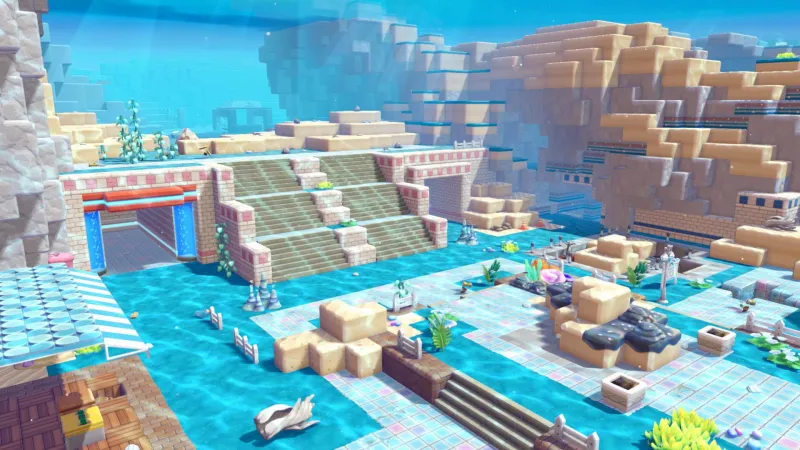
When Pokémon Pokopia came out earlier this year, it surprised me with how much I enjoyed it. To this day, it’s my favorite game of 2026, thanks in large part to its loving treatment of the Pokémon world and its characters, as well as the compelling gameplay loop that draws on games like Dragon Quest Builders and Animal Crossing. I poured tens of hours into the game when I reviewed it, and kept playing for several more hours even after it was over. I thought I was out, but the new Bubbly Basin DLC brought me right back in.

It all starts with a free update, available to all Pokopia players. Now, Ditto can Surf to a new island in Bleak Beach to learn Dive. This new move lets Ditto explore underwater areas, which comes in handy across the entire game, but particularly in Bleak Beach. Though that is the most impactful component of the free update, all players now have access to new emotes, hair colors, and quality-of-life improvements, including being able to move items in bulk, turning off the annoying confirmation message when canceling certain abilities, and a new Portal Pod that lets you access stored items across all locations. Those all improve the overall experience, but that’s just the starting point if you grab the Expansion Pass for Pokopia.

Game Informer

Those who pick up the Expansion Pass can expect three parts of the premium DLC experience. In this first part, Expansion Pass owners get access to a completely new biome, Bubbly Basin. This new area feels in line with the towns in the base game, giving you a ton of caves to explore, Pokémon to befriend, tasks to take on, builds to complete, and, of course, an environment level to raise. The catch with Bubbly Basin is that it’s almost completely underwater, putting excellent use to Ditto’s new Dive ability. Because of this, it lets you swim in any direction in addition to running around, making the deep underwater caves easier to spelunk.

It may be an underrated aspect of the overall Pokopia package, but Bubbly Basin is aesthetically pleasing. The blue hue doesn’t feel overbearing, and being underwater doesn’t make you feel like you’re moving in slow motion as I had feared. Additionally, I love the juxtaposition between the bright areas bathed in sun and the deep darkness that fills the underwater caves. Lighting some of those caves up with new underwater power rods can also lead to fun discoveries, and I loved exploring these areas on repeat to find new offshoots full of loot and diary entries that further hint at what happened to this iconic city from the Kanto region.

It also seems like the new biome cuts down on the wait times for construction projects, which was a criticism of mine in my original review, as something that felt like it would have been a “ready next day” project only took an hour from the time I kicked off the construction. This is good, as I ran out of meaningful tasks and exploration beyond the main story. Maybe this is because I’m very explorative in Pokopia, and I prioritize that over the story tasks, but I had moments when I was just waiting around for construction projects and tasks to finish during some of my gameplay time.

Game Informer

I haven’t yet completed Bubbly Basin, but the handful of hours I’ve already put into it reminded me just how much I like Pokémon Pokopia, and why it’s still my favorite game of the year going into the extremely busy fall months. With Part 2 introducing more gameplay mechanics (including equippable accessories for Pokémon) and Part 3 adding another biome, I can’t see myself removing Pokopia from my Switch 2 anytime soon. But for now, Bubbly Basin is a great excuse to jump back into Pokopia.

For more, read Game Informer’s Pokémon Pokopia review, and then check out our list of the top-scoring reviews of 2026 so far

How Capcom Created Its Own Version Of Legendary Samurai Miyamoto Musashi In Onimusha: Way Of The Sword

Onimusha Way of the Sword Capcom Release Date September 25 2026

I traveled to Osaka, Japan, back in June to visit Capcom’s HQ and learn more about Onimusha: Way of the Sword, which is the latest game to grace the cover of Game Informer. You can read that cover story right here if you’re a subscriber, but alongside that feature, I’m posting exclusive stories for the next couple of weeks based on my various interviews with the leads behind Capcom’s return to the Onimusha series after a 20-year hiatus

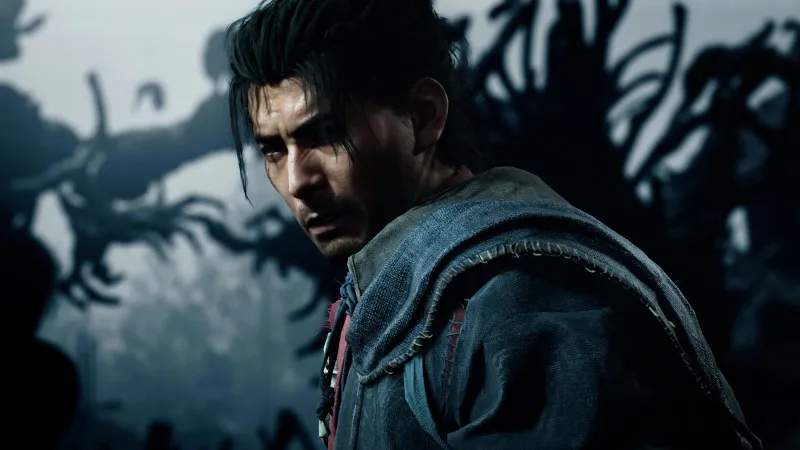
One of those interviews was with Way of the Sword animation team lead Hiroshi Yugen, who explained how the studio created its own version of Miyamoto Musashi, a legendary samurai in Japanese history and the game’s protagonist. He says the fables, legends, and real stories about Musashi influenced a lot of the game’s take on the swordsman. 

Game Informer

“There’s definitely a lot of influence from those real stories that went into creating the action [Musashi] uses in the game, both in terms of his reputation as a sword master and him being very skilled with multiple weapons,” Yugen says. Musashi won’t be utilizing his famous dual-wielding style as he’s still early in his journey – in his 20s – and hasn’t yet discovered/created it at this point of his life in Way of the Sword. “Where Musashi is set in this game is before he’s really mastered that, so there’s more focus on that one-sword action, but we did want to include elements of his familiarity with other weapons, which is why we have the Oni Armament skills that come into play.” 

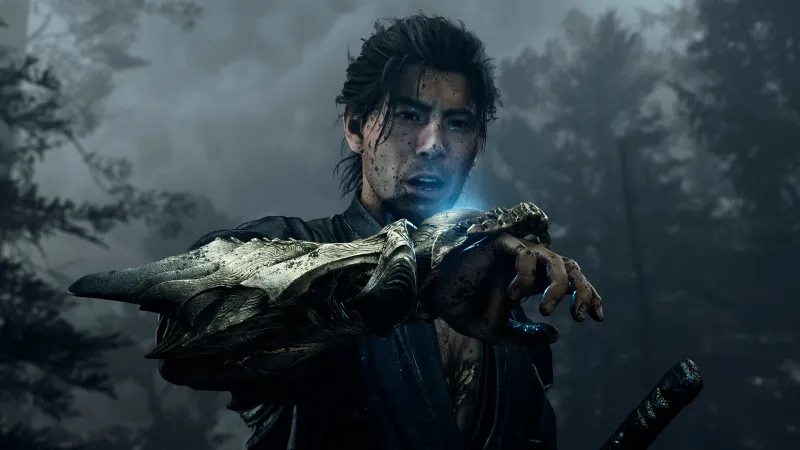
During my time playing Way of the Sword, I used two different Oni Armaments. The Two Celestials are small blades that deal straight damage, while the Earth-Shaker hammers I later unlock in my playtime inflict heavy stagger damage. Equipping different Oni Armaments based on the enemies before you is a crucial part of Musashi’s combat kit. During a fight with the Nue, which consisted of two Chimera, mythical beasts inspired by various animals, using the Earth-Shaker hammers was key to my (eventual) victory against them. 

Yugen says stories about Musashi tell of how he used whatever means necessary to achieve victory, which is why his kit includes more than just a sword. You can parry enemies into torches, setting them on fire as a result, or flip tables to use as large shields – after you’re done using it as a shield, you can throw it into enemies, too, knocking them off balance. “These are all elements that were kind of inspired by the real stories of Musashi,” Yugen says. 

Some stories of Musashi, who is famous for an undefeated record of 62 sword duels and traveling around Japan specifically to reach that number, tell of an attitude somewhere between confident and cocky. That’s apparent in Way of the Sword’s Musashi, who is also searching for the next duel – in fact, he wants to get rid of the Oni Gauntlet on his arm because he feels like using it is cheating in these duels, a far cry from the likes of Samanosuke or Jubei, who want to use their Oni powers to save the world in Onimusha: Warlords and Onimusha 2: Samurai’s Destiny, respectively

Game Informer

Yugen says he and the team stressed this confidence/cockiness to the motion capture artists Capcom hired to perform the actions of Musashi and his enemies. But, given how early in Musashi’s journey Way of the Sword takes place, they also took great care to make his action “a little rough around the edges” and “not quite as defined,” according to Yugen. 

One thing that helped was to imagine each fight in the various scenarios Musashi finds himself in as a Street Fighter bout. Leaning on one of Capcom’s other franchises, Yugen says the Street Fighter angle helped them define what Musashi would be thinking about as each fight begins, how he would walk up to enemies and approach them with sword in hand, and more. “It was towards the end of the project that we really started introducing those elements to flesh out the uniqueness of him, even down to the way he walks,” Yugen adds. “We didn’t want him to walk with this tension; he has a bit of swagger to him, and that’s something we really paid attention to in design.” 

Continuing, Yugen says, “Musashi doesn’t really hide his feelings. He’s very blunt, he’s very direct, and when something is a pain in the ass, he’ll say, ‘God, this is a pain in the ass.’”

Some of that is apparent in the Way of the Sword demo that you can play right now, and a lot of that was apparent in my extended hands-on time with the game. I look forward to seeing how Musashi grows as a swordsman and a man in the game when it launches next month. 

I’ll continue diving deeper into Capcom’s return to Onimusha as part of Game Informer’s month of Way of the Sword coverage. We’ll be publishing exclusive gameplay and behind-the-scenes videos (including a Rapid-Fire Interview) on the Game Informer YouTube channel as well. Keep an eye on the Onimusha: Way of the Sword coverage hub so you don’t miss any of it. 

In the meantime, here’s some additional Onimusha: Way of the Sword reading for you:

Do you have a favorite Musashi iteration or a story about the samurai? Let us know in the comments below!

Report: Live-Action Legend Of Zelda Movie Taps Uli Latukefu For Ganondorf

Game Informer

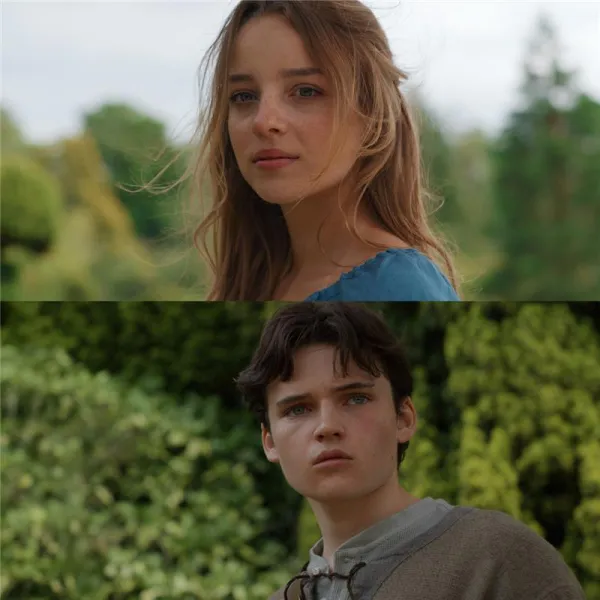
Nintendo’s live-action Legend of Zelda movie is set to hit theaters on April 30, 2027, and though we’ve seen official images of Benjamin Evan Ainsworth as Link and Bo Bragason as Zelda, there’s still a lot of mystery surrounding the film. We don’t know which game, if any, the movie is adapting; we don’t know if Link will talk; we don’t know if Tingle will be in it. 

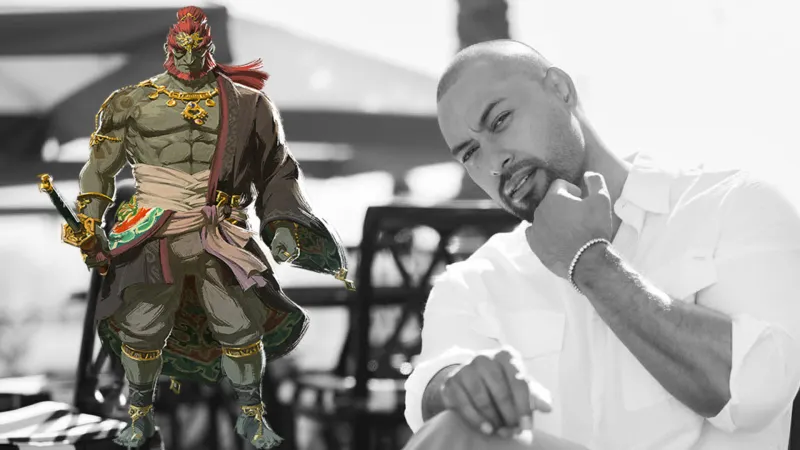
According to a new report from Deadline, however, we do know who will play Ganondorf: Uli Latukefu, who has appeared in Young Rock (as a younger version of Dwayne “The Rock” Johnson), Black Adam, MaXXXine, and more. 

Bo Bragason as Zelda (top) and Benjamin Evan Ainsworth as Link

Bo Bragason as Zelda (top) and Benjamin Evan Ainsworth as Link

Deadline also reports, in a separate write-up, that the late Sam Neill (Alan Grant in the Jurassic Park franchise) filmed a role in the movie prior to his death last month, and that Dichen Lachman (Severance, Altered Carbon, Jurassic World: Dominion) and Yvonne Strahovski (The Handmaid’s Tale, Dexter, and Miranda Lawson in Mass Effect) are set to film for the movie, too. Deadline reports that Strahovski’s role is a queen, with Lachman set to play Impa. None of this is officially confirmed by Nintendo or Sony, both of which are producing the movie, but Deadline gets its information from sources close to the project. The New York TimesKyle Buchanan originally broke the news about Latukefu’s casting before Deadline further confirmed it. 

Given this casting news, it’s still unclear what game the movie could be adapting, but we should learn more soon, considering the movie is due out in roughly seven months. 

While waiting to learn more, read Game Informer’s reviews of The Legend of Zelda: Breath of the Wild and The Legend of Zelda: Tears of the Kingdom. Check out our review of The Super Mario Galaxy Movie after that, and then read about the recently revealed remake of The Legend of Zelda: Ocarina of Time that’s due out this year

[Source: Deadline report 1, Deadline report 2]

How do you feel about this casting news? Let us know in the comments below!

Nintendo Reveals Digital Sales Up 90% Compared To Last Year, Switch 2 Units Top 23 Million, And More

Game Informer

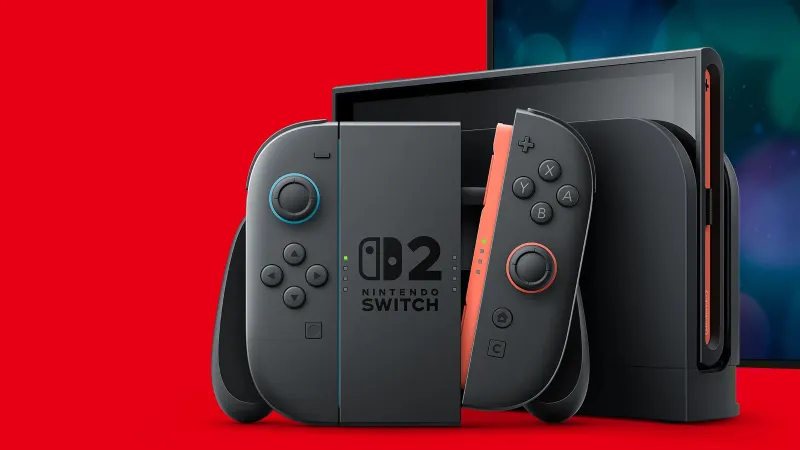
Nintendo has released its latest financial earnings report, covering the first quarter of the fiscal year, which encompasses April through June 2026. In it, the company has revealed that digital sales revenue is up 90% year-over-year, that the Switch 2 sold nearly 4 million units in those three months, and that, unsurprisingly, Mario Kart World continues to be the best-selling game on the console. 

According to Nintendo, digital sales totaled 132.7 billion yen (or roughly $837 million), up 90% year-on-year, “mainly due to an increase in sales of downloadable versions of packaged software.” This figure arrives just weeks after Sony announced it will stop manufacturing discs for PlayStation games in 2028, sparking an uproar among players who want to purchase physical copies. With rumors swirling that Xbox may follow suit, Nintendo could be the last of the Big Three console makers to release its games in a physical format (though players argue whether Nintendo’s current go-to solution for physical releases, Game-Key Cards, is any different from a digital download key). 

Elsewhere in the company’s earnings report, it states the “Nintendo Switch 2 hardware maintained strong sales momentum, with sales totaling 3.82 million units,” bringing the total up to 23.68 million. Software units total 58.17 million. Looking at Switch 2 software, the company says Yoshi and the Mysterious Book, Star Fox, and Pokemon Pokopia “sold well” but stops short of giving exact numbers for this fiscal quarter. Nintendo did reveal that Switch 2 software sales totaled 9.46 million during this latest fiscal quarter, adding that Switch software in the form of Tomodachi Life: Living the Dream reached 7.94 million units. 

As a result of these earnings, Nintendo says it is not making changes to its original financial forecast for the fiscal year. “Nintendo Switch 2 is now in its second year since launch in June 2025 and sales continue to be strong,” the report reads. “We aim to maintain momentum for the hardware and see it delivered together with software into the hands of a wide range of consumers.” The company highlights recent releases and upcoming launches, including Splatoon Raiders (launched in July) and Fire Emblem: Fortune’s Weave, Nintendo Switch Sports Resort, and The Legend of Zelda: Ocarina of Time (the remake) coming throughout the rest of the year. 

To close out this look at Nintendo’s latest fiscal report, here are the sales numbers for various Switch 2 and Switch games released so far (in total): 

  • Mario Kart World: 15.39 million units – Our Review
  • Donkey Kong Bananza: 4.78 million units – Our Review
  • Pokemon Legends: Z-A – Nintendo Switch 2 Edition: 3.99 million units – Our Review
  • Pokemon Pokopia: 3.68 million units – Our Review
  • Kirby Air Riders: 1.90 million units – Our Review
  • Super Mario Party Jamboree – Nintendo Switch 2 Edition: 1.15 million units – Our Review

Do any of these numbers surprise you? Let us know in the comments below!

New Onimusha: Way Of The Sword Gameplay Trailer Highlights One Of Its Most Treacherous Boss Fights

Onimusha Way of the Sword Capcom Release Date September 2026 Game Informer Cover Story

Onimusha: Way of the Sword launches next month on September 4 on PlayStation 5, Xbox Series X/S, Nintendo Switch 2, and PC via the Epic Games Store and Steam. It will mark the first game in Capcom’s samurai action series in 20 years, and brings players to real-life locations in Kyoto, albeit through the lens of Japan’s early Edo period. A new trailer released by Capcom today features some of that Kyoto, as well as new gameplay footage highlighting a boss fight against the treacherous Rasho-gan. 

If you’re a Game Informer subscriber, you likely already know that Onimusha: Way of the Sword is the latest game to grace the cover of our magazine. That means that you have access to my Onimusha: Way of the Sword cover story, which features all kinds of details about Kyoto as the game’s setting, combat, a never-before-seen underground lab starring the evil Dokyo, and Rasho-gan. That said, today’s new Onimusha: Way of the Sword trailer features a new gameplay look at protagonist Miyamoto Musashi’s swordsman prowess against Rasho-gan. 

Check it out for yourself below: 

If you’re looking for more Onimusha: Way of the Sword content, look no further than Game Informer’s exclusive hub for the game, where you’ll find behind-the-scenes features, interviews, videos, and more. 

What do you think of this new gameplay trailer? Let us know in the comments below!