The Ocarina of Time remake just got the in-depth reveal we’ve all been waiting for, complete with a new trailer, a gameplay demonstration, and a release date. On top of all of that, however, we also learned that special new amiibo – and an entire new Switch 2 console – will be launching around the game’s release.
The Amiibo are further out – slated for 2027 – and include Young Link and Young Zelda from Ocarina’s early game. Scanning them unlocks “special in-game masks” for Link to wear, though it’s unclear if they affect gameplay at all. See them for yourself below:
Coming much sooner, however, is a special edition of the Nintendo Switch 2. Designed for The Legend of Zelda’s 40th anniversary, it comes with a Zelda-themed dock, console, and Joy-Con 2s. Nintendo is also releasing a similarly themed Switch 2 Pro Controller and carrying case. Finally, Nintendo stores in New York and San Francisco will exclusively sell the Switch 2 Pro Controller alongside a special display stand. All of these items are available October 29, one week before Ocarina of Time’s remake drops.
This release date puts the remake launching just two weeks before Grand Theft Auto VI, which is anticipated to be the biggest game launch of the year. Nintendo seems to know the cachet The Legend of Zelda: Ocarina of Time has, though, and many gamers will likely pick up this remake in November, whether they’re picking up GTA VI later that month or not. The company revealed this November 5 release date during today’s Legend of Zelda Nintendo Direct, ahead of the more general Nintendo Direct airing tomorrow, September 9.
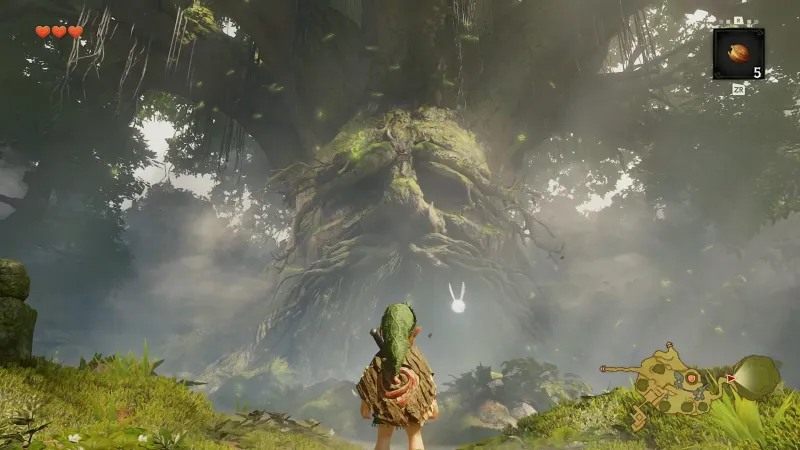
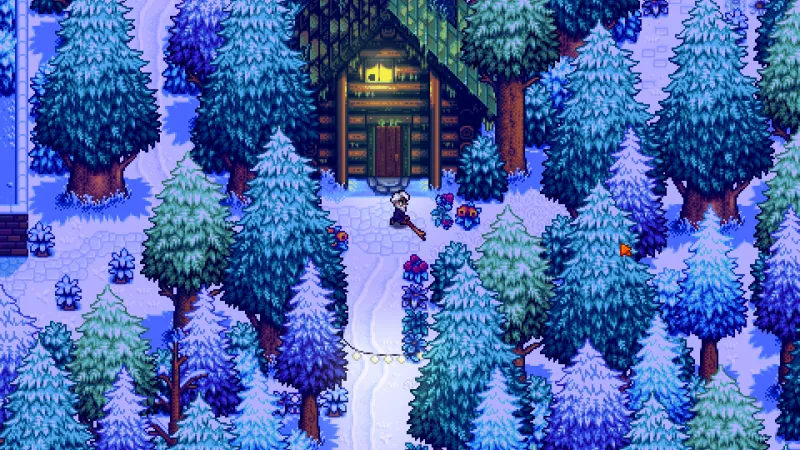
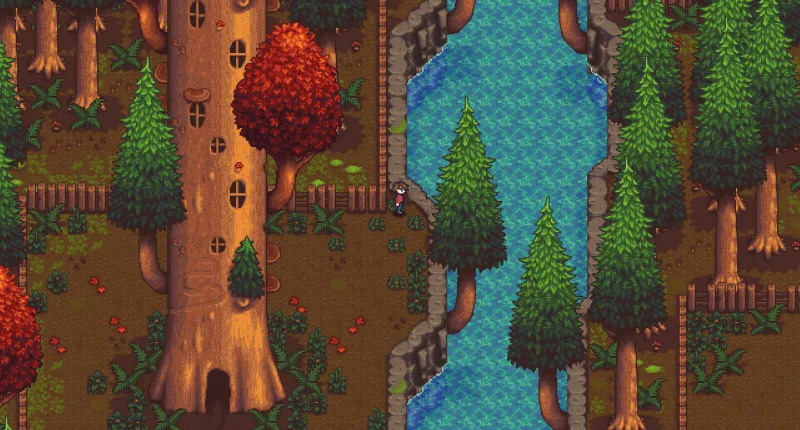
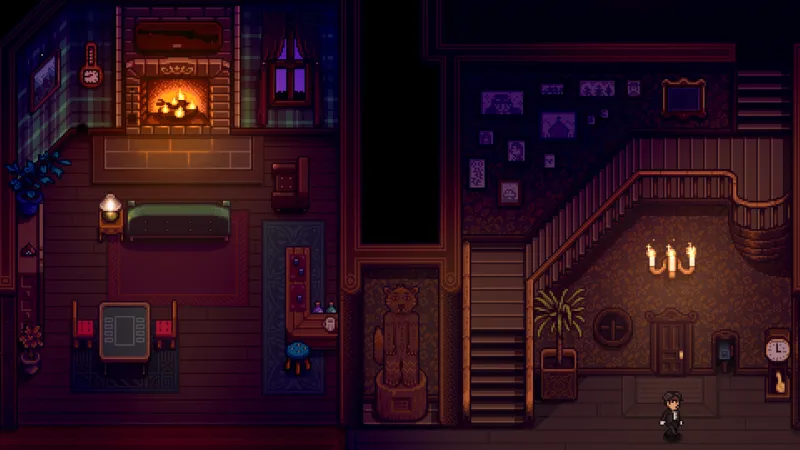
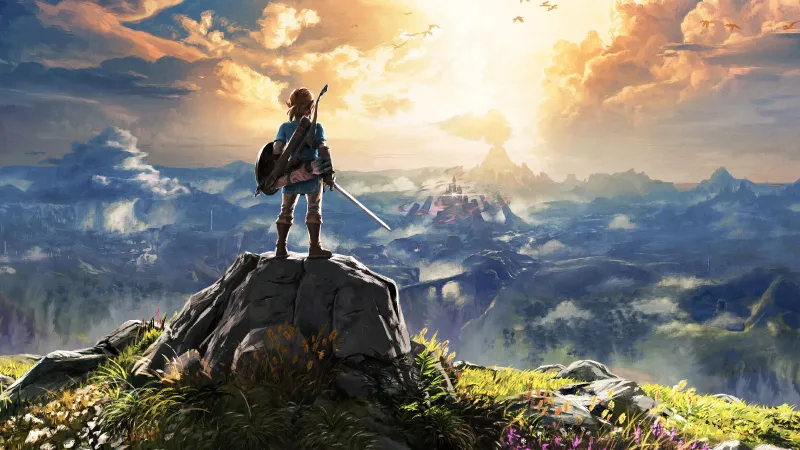
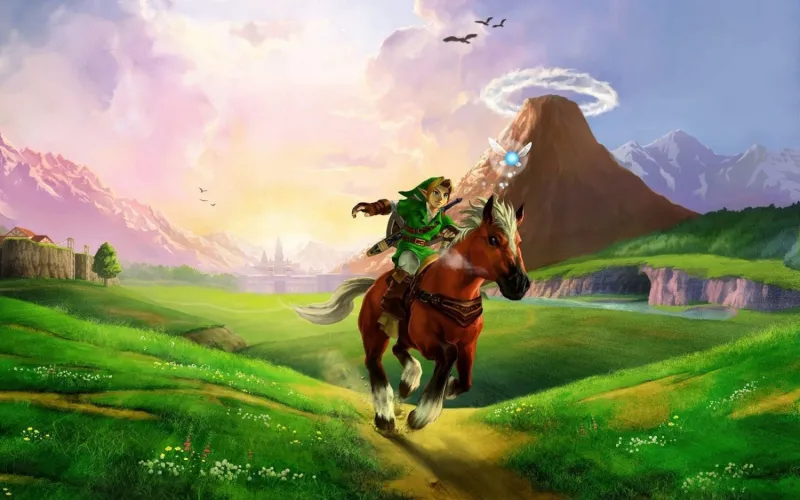
As you can see, this remake dramatically changes the visual style of The Legend of Zelda: Ocarina of Time, which originally launched more than two decades ago on Nintendo 64. This new style feels more modern and sits somewhere in the realm of stylized realism, compared with the original game’s more polygonal look, which was shaped by the console’s constraints.
Get a more extensive look at the remake in the trailer for The Legend of Zelda: Ocarina of Time below (though heads up: if you haven’t played the game, this trailer shows a lot):
The Legend of Zelda: Ocarina of Time launches exclusively on Nintendo Switch 2 on November 5.
What do you think of the new look? Let us know in the comments below!
We’ve been waiting for new details surrounding the upcoming movie based on the Legend of Zelda franchise, and during today’s Legend of Zelda 40th anniversary Nintendo Direct, many were expecting a new trailer. Instead, we learned of the official title and received some first narrative and thematic hints from series creator Shigeru Miyamoto.
The movie is simply called The Legend of Zelda, with no subtitle nor any qualifier that it is a movie, as has been seen in The Super Mario Bros. Movie or The Super Mario Galaxy Movie. According to Shigeru Miyamoto, the name not containing any subtitle will make sense once you see it. “This is an original film based on the many stories, ideas, and concepts of the series, built up through the games for 40 years,” he said during the Nintendo Direct livestream. “Through the creative power and visual expertise of the talented production team, it’s become an artistic work worthy of the Legend of Zelda series. Both the development team from Nintendo and I are also involved, of course.”
To this point, we only know a few castings, including Benjamin Evan Ainsworth as Link, Bo Bragason as Zelda, Uli Latufeku as Ganondorf, and Dichen Lachman as Impa, as well as other actors who aren’t officially attached to characters. Outside of that, fans have gleaned small details and potential plot points through leaked set photos that have since been deleted.
Though he didn’t mention any characters in the movie, Miyamoto hinted that the Triforce will play a role in the film. “When we talk about The Legend of Zelda, there’s the Triforce,” he said. “What role do you think it will play in the film? We’ll share more details at a later time, so please look forward to it!”
Much like the two Mario animated movies from the last few years, we can likely expect a Nintendo Direct dedicated to the film’s first trailer. The Legend of Zelda hits theaters on April 30, 2027.
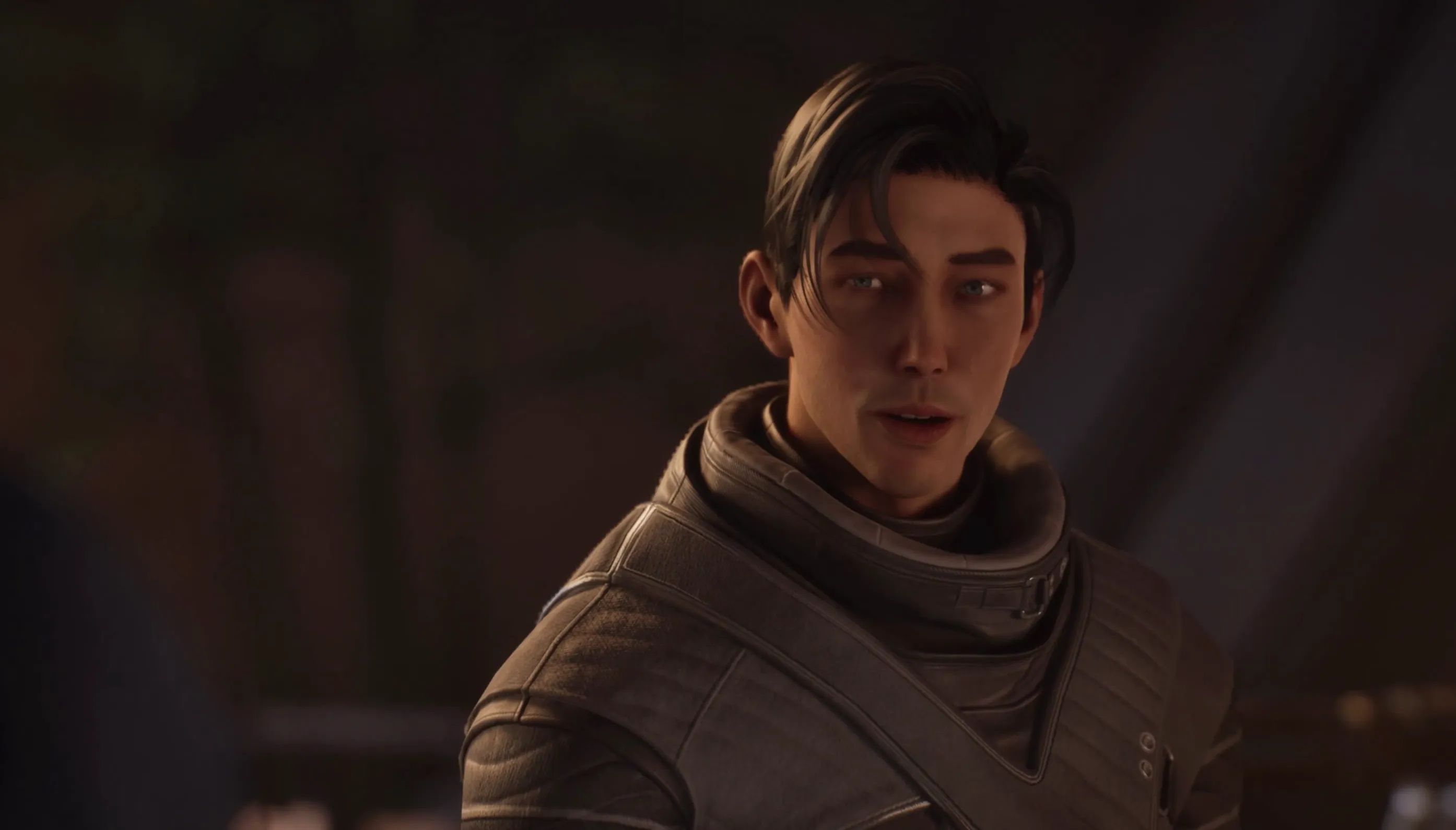
Exodus is an ambitious sci-fi RPG from Archetype Entertainment that shares some DNA with Mass Effect. It’s evident if you know the studio’s history (many of its higher-ranking developers used to work at BioWare), but you can also tell just by looking; it’s nearly impossible to make a story-driven sci-fi game without those comparisons being made. One of the easiest parallels comes with Exodus’ companions, and when I played the game at Archetype’s Austin offices, the dark-haired companion Suliman left quite an impression.
“Suliman is one of the leaders of the Tenjin Dynasty, which is a very powerful faction on Lidon,” Exodus narrative director Drew Karpyshyn told me. “The thing about the Tenjin Dynasty is they are very closely tied in with the Awakened. Suliman […] has a special relationship with them, and is basically a master assassin and spy who you need to ally with to help you.”
Awakened animals are essentially larger, smarter, longer-living versions of their standard Earth counterparts. Each has a translator chip so humans can understand them. Suliman is the human representative of a Dynasty that is mostly Awakened, and you need his help in an early mission. As such, he’s generally accompanied by ravens, who have a knack for spying and collecting sensitive information.
“Suliman was essentially – we don’t want to spoil too much of his backstory – raised by the ravens, because they saw him as a useful tool,” Karpyshyn said. “[Suliman] became sort of the face of the Dynasty to make it easier to work with humans. Him being smart and intelligent, he has learned to leverage his position to become more than just a figurehead and become an actual important player in the dynasty itself.”
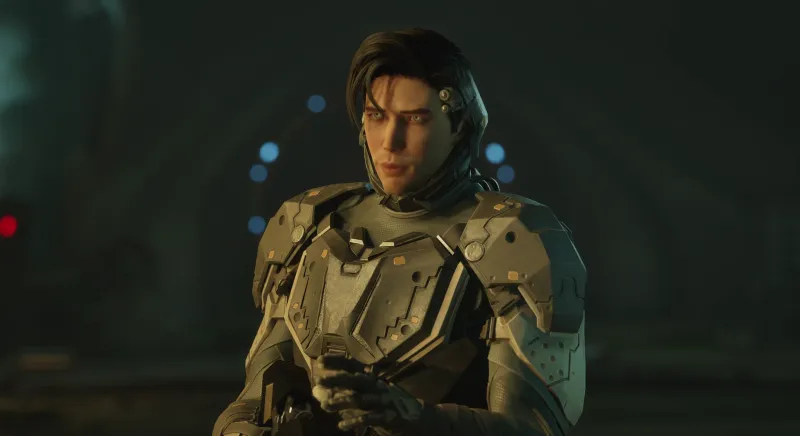
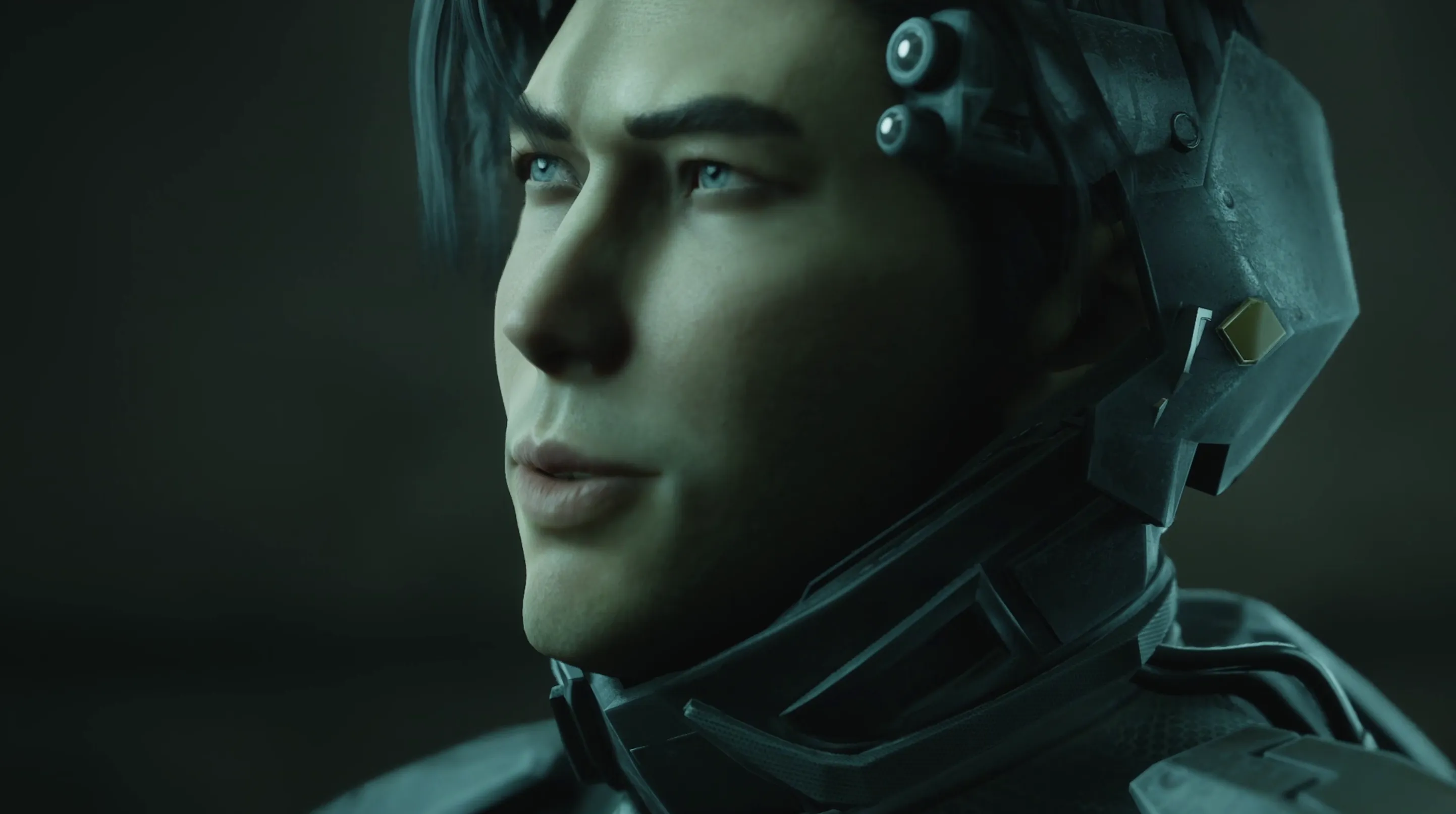
Suliman is confident, with dark hair, a pretty-boy vibe (the developers mention they used some K-Pop celebrities as a reference), and a know-it-all attitude, probably because intel from his raven companions means he does know quite a bit. He speaks to everyone as if he’s the one in charge, unconcerned with the opinions of others and completely self-assured in his position. He’s not quite rude, though, and even though he’s not really my cup of tea, game director Chris King says they adjusted Suliman over time to be a little less abrasive.
“It’s [a] case where, especially with the Dynasty characters, we were experimenting with a little bit of like, you don’t necessarily want to like them right off the bat, and you’re kind of doing this just because of the job at hand,” King said. “At one point, he was kind of like a rich, spoiled kid that you were meant to hate. But we sort of softened that down a little bit, I would say. And still, he’s maybe a little off-putting when you first meet him. But I think as you get to develop that relationship with him further, people start to like him.”
Karpyshyn adds, “Yeah, He’s pretty self-important and arrogant. But then once you see him in a level and you see his abilities, you’re like, ‘Oh, okay, yeah, he walks the walk, doesn’t just talk the talk.'”
I had this exact experience in my demo. Suliman guides Jun, the protagonist, on a mission to Khonsu, a space station that orbits your homeworld, Lidon. It’s a dangerous situation, as the orbital platform is crawling with both enemy troops and Ghosts (essentially ancient security robots), but Suliman makes the whole ordeal much easier. And that’s especially true if you’re trying to move stealthily.
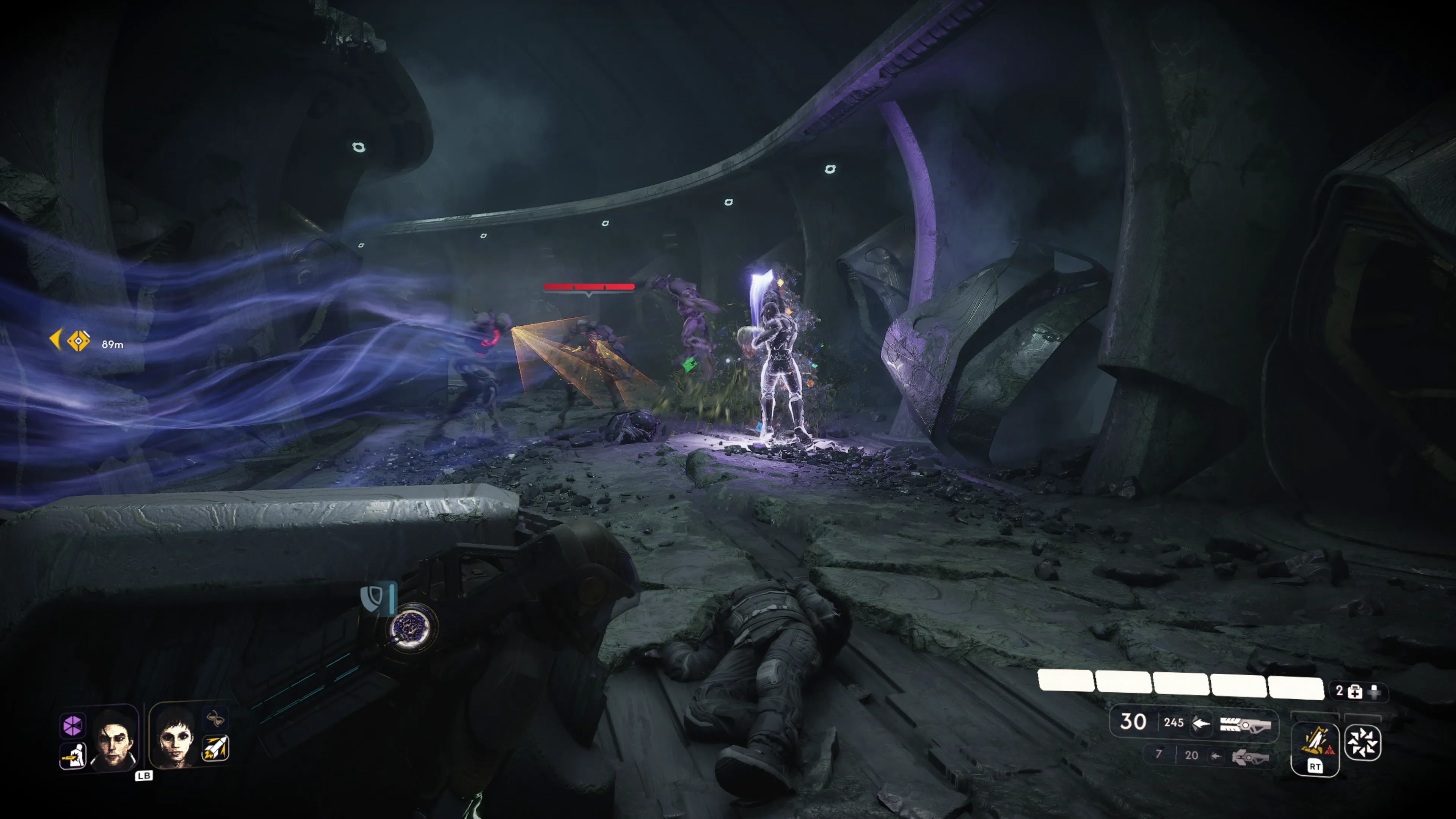
Combat in Exodus has you play as Jun to shoot enemies in third-person, but pressing one of the bumpers allows you to command your companions as well. Suliman’s basic ability, Shadow Step, has him turn invisible and essentially teleport behind an enemy to take them out. It reminds me of the recruits in Assassin’s Creed Brotherhood and Revelations, where you can tap a button and summon an ally from a nearby bush to take out an opponent. Suliman spawns in, deals a bunch of damage, and retreats without being seen.
Meanwhile, his Ultimate Ability, Vendetta, has him deal damage to three enemies and apply a corrosive effect. You can use that to trigger a synergy, one of the main ways you interact with companions in combat, by throwing a thruster grenade and spreading the corrosion even farther.
“If you’re not into stealth, Suliman still comes in handy though,” King tells me. “All [of Suliman’s moves] are valid in normal, regular, action combat, but I think that’s sort of his area of expertise. […] If you like sneaking around, he can really get you some quick kills off the bat.”
I will likely not romance Suliman (though that is an option), but I wouldn’t be surprised if he finds his way into my regular adventuring party purely due to his cool combat abilities. I also can’t help but sympathize with his empathy for Awakened – it’s hard to side against a guy telling people not to point guns at giant frogs, my favorite faction in the game.
Exodus launches next year on PS5, Xbox Series X/S, and PC. For more exclusive interviews, hands-on impressions, and details on other companions (like Salt, the octopus in a mech suit), check out our coverage hub, which we’ll continue to update for the entire month.
It’s been a busy year for games so far. A new Nintendo console just launched. I haven’t yet beaten Clair Obscur: Expedition 33 or Doom: The Dark Ages, despite truly loving what I’ve played, and I’m at least three games behind on the new releases I want to check out. And yet, these past few weeks, whenever I’ve sat down to play a game in my spare time, it’s been 2017’s The Legend of Zelda: Breath of the Wild.
Now, outside of it being my favorite game of all time, it also recently received a big performance upgrade through the Nintendo Switch 2 version, making for an improved experience in the year 2025. Still, I haven’t been able to shake a persistent feeling of guilt each time I paraglide back into Hyrule.
Whenever I’ve fired up Breath of the Wild, a voice in the back of my head screams, “Shouldn’t you play something else? Something new?!” Part of that is thanks to my job as a member of games media, where I feel professionally obligated to stay abreast of the latest releases in any given year. But as I’ve reflected on my complicated feelings surrounding replaying my favorite games, I’ve realized there’s more to it than just my career.
In the age of social media, we are constantly pushed to experience the latest form of entertainment, whether it’s the current blockbuster film, the newest streaming sensation, or, yes, the most recent hit video game. Aside from people obnoxiously telling you, “Well, you should have stayed off social media if you didn’t want to be spoiled,” participating in the discourse surrounding the latest cultural zeitgeist has become an event unto itself. I didn’t see Sinners until a few weeks after it hit theaters, and as a result, I missed out on the most rewarding conversations taking place across the social platforms, and after I finally caught it, I was kicking myself for not seeing it sooner. The fear of missing out is exacerbated when the conversation dominates the platform that serves as the only way you communicate with your long-distance friends.
But it’s even more than that. Maybe it stems from growing up and constantly being told I should be doing something other than playing video games with my spare time, but that same guilt has transferred to whenever I consume entertainment I have before. A few years ago, I rewatched the entire Marvel Cinematic Universe, one of my favorite entertainment franchises ever. That is an absurd amount of time to devote to something I’ve already seen, but when that guilty feeling popped up, I talked myself down from letting it overtake me and dissuade me from my plan.
How did I pull that off? By reminding myself that time spent doing something you love isn’t time wasted. I think we should all travel to places we’ve never been, try foods we’ve never eaten, attempt a new hobby we’ve never done, and maintain a healthy level of physical activity and outdoor time, but if something brings you joy and it’s not hurting anyone, why deny yourself that pleasure? Yes, there’s abundant value in cooking a new cuisine, but sometimes, that same dish you’ve made over the last 15 years just hits right.
Comfort-food gaming has been a staple of my entire life – I’ve replayed Super Mario World, Final Fantasy X, and Pokémon Blue more times than I can count – and I would argue that with the tumult and uncertainty of the 2025 news cycle, we need it now more than ever. If gaming is your most prominent hobby, as it is mine, don’t deny yourself the joy and escapism that re-embarking on your favorite adventure grants you. So, plan that movie-rewatch marathon, fire up Switch Online’s retro libraries, and do your best to not count how many games you bought in the most recent Steam sale that are still sitting at “0 minutes played.” I’ve been trying to treat my hobby more like a hobby rather than a checklist to complete, and I’m getting more enjoyment out of it as a result.
This article originally appeared in issue 370 of Game Informer in July 2025.
Welcome to September 2026, which will forever be known as pre-pre-GTA VI month. Alternatively, it might be known as the month when every single video game came out. We’re already feeling the weight of the September gaming waterfall, but the water is invigorating, if a bit intense. We have lots of game recommendations below (and we didn’t even cover everything this week, frankly), but before we get to that, here are some of our biggest stories of the week.
Remember that old samurai Onimusha series from the early 2000s that was basically Resident Evil with swords, and it was really cool and something you may or may not have played at your friends’ house because your parents wouldn’t buy it for you because of demons and blood? Well, guess what: it’s back. Onimusha: Way of the Sword is the first new Onimusha game from Capcom in over two decades, and after covering it all month long for Game Informer’s cover story hub, I’m happy to report that the final game is absolutely worth your time and money. The combat is incredible – challenging, intricate, complex, and constantly building on itself. The characters and setting are good fun, too, and though it has more repetition in its combat arena design than I’d prefer, you still get to kill stuff with protagonist Musashi’s sword… and that’s always a great time. It’s out today, and you can read my Onimusha: Way of the Sword review while it’s downloading. Oh, and if you’re worried about difficulty, don’t be: Onimusha: Way of the Sword has an incredible easy mode.
The Blood Of Dawnwalker
Charles Harte
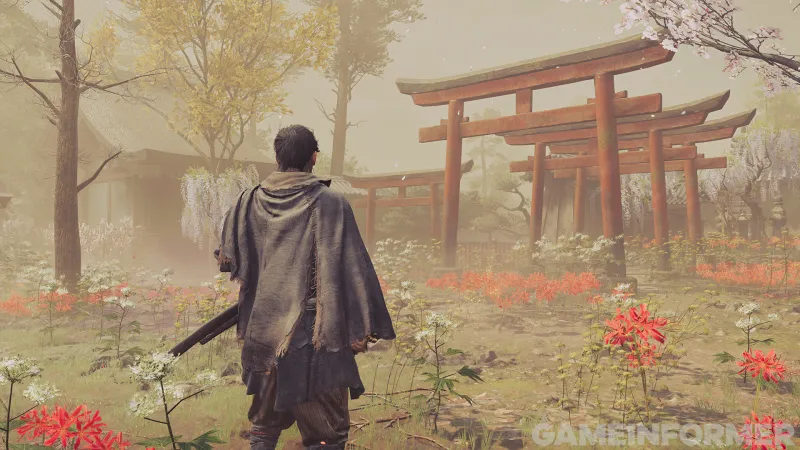
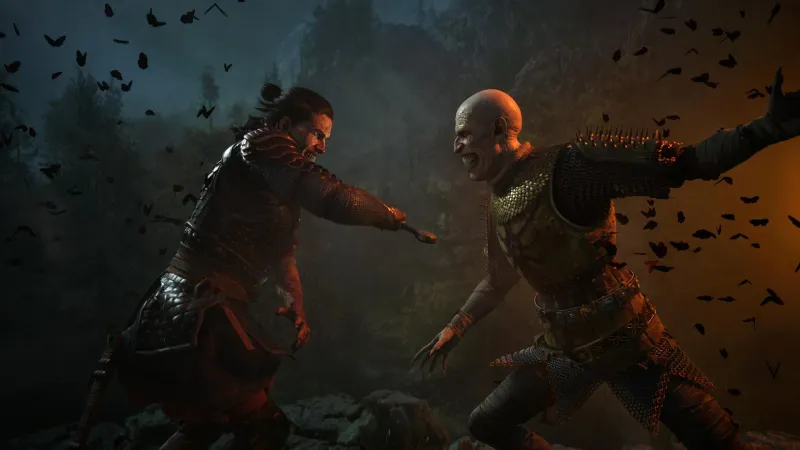
I was optimistic about The Blood of Dawnwalker after reading my coworker Brian Shea’s articles from his cover story trip, but I was still very surprised by how much I like the game. You play as Coen, a Dawnwalker (which means you’re a vampire by night and a human by day) who has 30 days to save his family from an evil vampire lord. Each quest you complete advances the clock by a little, and you only have a limited amount of time before the game concludes, which means you have to pick and choose your missions carefully. What I didn’t realize until playing, however, is that there’s no main quest – you choose what feels important to you in your journey to save your loved ones. It’s an incredibly empowering combination, and I really feel like my decisions matter when I focus on a quest to reforge an ancient sword instead of buddying up with some revolutionaries. I also enjoy the directional combat, the different mechanics in the night and daytimes, and the general atmosphere. Our reviewer Diego was a little less enthusiastic than I, so your mileage may vary, but if you’re a fan of games with choice-based stories, I highly recommend The Blood of Dawnwalker.
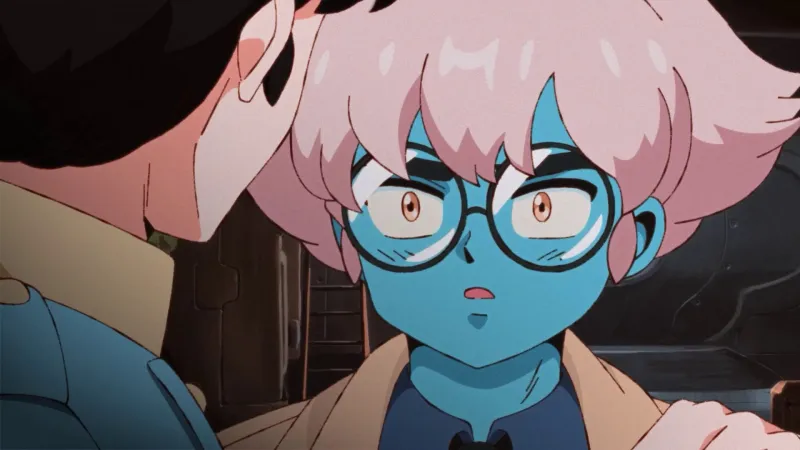
I like Orbitals, but I don’t love it. It’s an absolutely gorgeous game with visuals inspired by 80s anime and a wicked soundtrack to match. The characters are fun and charming, and even the menus are expressive and unique. The vibes are immaculate, but the actual gameplay is just okay. It’s co-op only, and you’ll spend its 6-hour runtime collaborating with a partner to solve puzzles and save your home space station. I just wasn’t impressed with the game itself – it has some good ideas, but fails to meaningfully stand out the way similar co-op-only games do. I also don’t love the story, but it’s admittedly not much of a hurdle until the final moments. Despite those gripes, it’s still such a joyous experience that I recommend it nonetheless. If the art style draws you in, you’re in for a pretty good weekend with a friend. For my full thoughts, you can read my review here.
Halloween: The Game
Wesley LeBlanc
Friday the 13th: The Game developer IllFonic has finally made the asymmetrical horror game I’ve been wanting since playing as Jason and camp counselors, and it’s called Halloween: The Game and is out now. Kind of. IllFonic is doing the whole “pay for the more expensive edition and get early access to it” thing I hate (because it preys on FOMO and is just generally lame), so you can technically hop in right now. But if you decide to wait for the real launch, that’s next week, on September 8. Either way, I recently wrapped up its single-player campaign (IllFonic’s first) and am starting my multiplayer journey ahead of reviewing the game sometime next week. If you’re a fan of John Carpenter’s Halloween, this single-player campaign is a passionate love letter to it… but it’s also only a couple of hours long and basically a glorified tutorial for actually playing as Michael Myers in the game’s primary multiplayer experience. So, would I recommend picking this game up for just its campaign? No, absolutely not. But if you’re a fan of asymmetrical horror games, or if you’ve never tried an IllFonic joint (they’re good fun, with or without friends to join you), Halloween: The Game is shaping up to be great.
Crimson Moon
Marcus Stewart
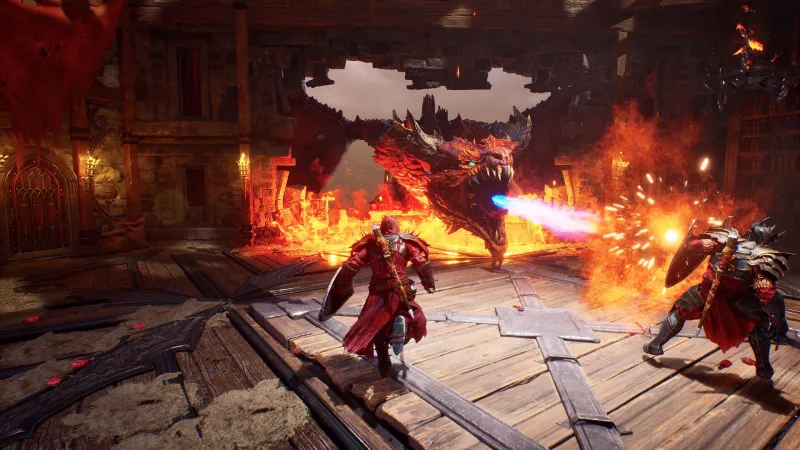
Crimson Moon has Souls-inspired combat, but it isn’t a true Soulslike. It’s actually more of a roguelike thanks to its run-based blueprint, where you embark on missions as a nephlim (a human-angel hybrid) to slay a bevy of grotesque and dangerous demons. I’m not sure entirely why – I’m sure it benefits whatever version of Earth this is – but you’ll likely not care too much because the combat is completely serviceable, the run-based format is more forgiving since you have multiple lives before you start over, and the elaborate presentation is impressive for a $20 game. While it’s not perfect, Crimson Moon offers a pretty good time, likely even more so if you rope in a friend for two-player co-op. I played the first two hours of the game on a stream this week, so be sure to check out that VOD if you want a better look at Crimson Moon in action.
NBA 2K27
Brian Shea
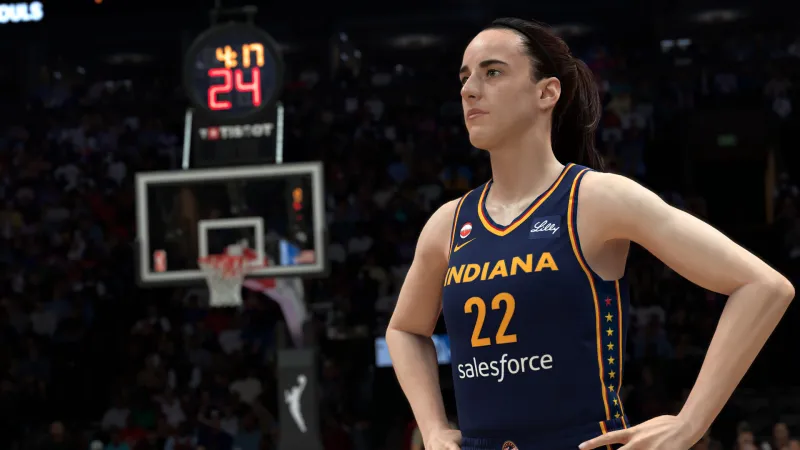
The NBA 2K series is perpetually the most frustrating sports game franchise. It possesses quite possibly the best gameplay, visuals, and Franchise mode in all of sports gaming, but so many of its other offerings are riddled with microtransactions in ways that feel, at times, more aggressive than many free-to-play titles. This year, developer Visual Concepts seems to have dialed back the microtransactions in MyCareer, the single-player focused mode, allowing you to largely avoid the live-service billboard that is The City in favor of focusing on your created player’s career, but the elements are still there if you step outside the comfort of your player’s apartment. However, now you can choose whether you want to play through a narrative prologue where your character rehabilitates from a career-threatening injury to make it to the NBA, skip straight to the NBA action, or even play in a different era of the NBA; playing at a time when titans like MJ and Shaq were dominating the courts is a really nice touch. And that time-travel ability continues to extend to the still-excellent Franchise mode, making this a solid entry in the long-running king of the court.
Marsupilami 2: Salsa Palombia
Matt Miller
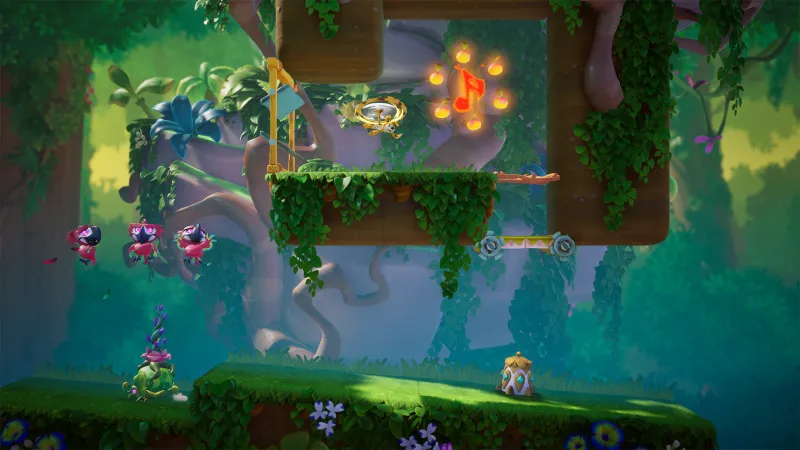
This under-the-radar title could be easily overlooked, but for fans of classic 2D platformers (especially in the vein of Donkey Kong Country) that would be a mistake. This is a charming and approachable platform adventure that can be played either solo or with a partner, in which you happily bounce and swing through jungle (and other) environments, collecting pick-ups, uncovering secrets, and mastering a surprisingly nuanced control scheme. While the game starts out very approachable, the levels gradually ramp up to offer significant challenge, demanding you master the three marsupilami characters’ distinct movesets as you switch between them on the fly.
Catchy music, vibrant visuals, and finely tuned gameplay all help this game hit some impressive notes. There’s also a fun unlockable “Salsa Mode” that uses the in-game music to ramp you up into a combo of pick-ups before your meter vanishes, leading to a fun and replayable twist on the already-played levels. There’s barely any real story here in the game, so don’t worry that the “2” in the title is going to leave you confused. The game is an outgrowth of a long-running Belgian comic book character, but rest assured, the taut and enjoyable gameplay of this particular project requires no special French connection to enjoy. Find the game on PS5, Xbox Series X/S, Switch, or PC.
Keeper
Kyle Hilliard
The various Microsoft layoffs have been devastating for the gaming industry and the long-term impact of all that destruction won’t be clear for some time, but one little hopefully bright spark of optimism in that darkness is that developer Double Fine (creators of Psychonauts and lots more) were able to spin-off and become independent again. That process wasn’t without its difficulties as Double Fine had to do some layoffs, but the important detail is that Double Fine is still making games and that’s good news.
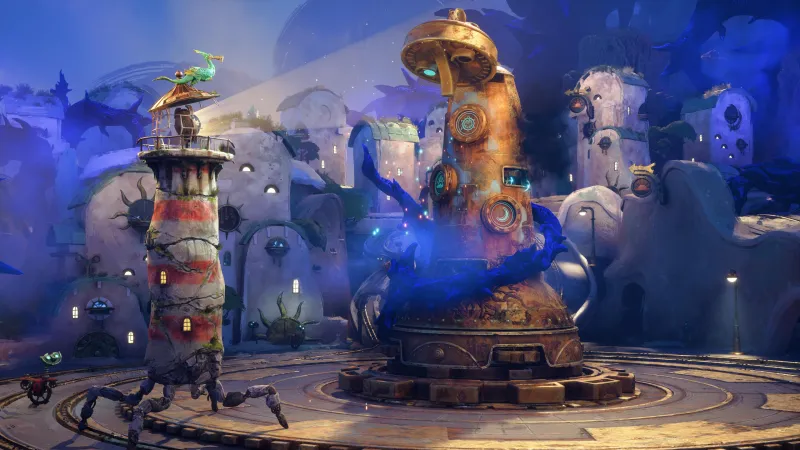
Double Fine’s penultimate game with Microsoft was Keeper, a game where you play as a sentient lighthouse, and it’s available now on PlayStation 5. Keeper coming to PlayStation 5 was likely already in process before the studio was forced to spin off, but its release feels a little extra special considering its Microsoft separation and newfound re-independence. Who knows exactly how the ownership of Keeper works. It’s entirely possible Microsoft is profiting on sales of the PlayStation 5 version, but it feels like it belongs to Double Fine, which I hope it does.
For more on the game, which Matt Miller described as “an astonishingly beautiful visual experience,” you can read Game Informer‘s Keeper review at the link.
Tabletop Pick – Fibbage
Matt Miller
Longtime fans of Jackbox Games’ many excellent party video game releases likely need no introduction to the concept of Fibbage. It’s been a popular and included option in various iterations of the series since 2014, and playing the video game version remains a most amusing time. But we all enjoy a break from our screens from time to time, and the popularity of the video game version has driven Jackbox to release a physical card game that perfectly captures the same fun while gathered around a table.
In this version, players take turns reading a card with an unusual piece of trivia upon it, such as “In March 2006, a burglar in Osaka, Japan, knew he screwed up when he broke into a building that contained 20 ____. The answer (in this case “Sumo Wrestler”) is written on a whiteboard by the player who revealed and read the card, while everyone else writes down their own pretend answer. Players then vote on which answer is actually true, with points for the player who tricks the most people, and an additional bonus point for the funniest answer. It’s all quite lighthearted and silly, and this card game version ably stands by its original digital counterpart as an ideal pick for your next get-together with friends.
It’s a packed week of The Game Informer Show. Marcus, Charles, and Eric discuss last week’s Grand Theft Auto VI Extended Look, and talk about where their personal hype levels for GTA VI stand. Then, we break down the double-header Sony State of Play showcase, and talk about our favorite announcements from AAA and smaller studios alike.
After the break, we get into a trio of big game reviews that dropped over the last week: The Blood of Dawnwalker, Onimusha: Way of the Sword, and Orbitals. The fall season is in full swing, and the crew talks about which of these three games are already standing out.
The Game Informer Show is a weekly podcast covering the video game industry. Join us every Friday for chats about video game reviews, news, and exclusive reveals alongside Game Informer staff and special guests from around the industry. Support the show by subscribing to our physical video game magazine! Submit a question or topic you’d like to hear us discuss: Podcast@GameInformer.com.
00:00 – Introduction06:08 – Grand Theft Auto VI Extended Look Reactions38:38 – Sony State of Play Highlights01:08:49 – Ad Break01:08:52 – The Blood of Dawnwalker Review01:32:07 – Onimusha: Way of the Sword Review01:50:35 – The Dan Ryckert Tangent01:54:15 – Orbitals Review
Onimusha: Way of the Sword is finally out, and if you were considering picking it up – you should! It’s great, and you can read why in my review for Game Informer here. Now, if you’ve read any reviews for the game, or even previews leading up to its launch, you’ve likely heard about its difficulty, particularly its boss fights. While standard mob enemies have you feeling powerful, bosses absolutely put you in your place. There’s one boss I died more than a dozen times trying to defeat. But, if that scares you, don’t let it. Onimusha: Way of the Sword features the perfect easy mode for a game like this.
Capcom calls it Story (Storyline Focus) mode, a difficulty that lets you focus on the story and is recommended for action game beginners. That’s true in that, yes, it is a much easier difficulty mode compared to the Action (Combat Focus) mode that aims to test you at all times. Enemies do less damage, you do more damage to enemies, parry windows are wider, and other similar features are what tune the Story mode difficulty down, but the most interesting part of it is the Action Prompts feature.
This is on by default in Story mode, and I am blown away by how transformative it is. Onimusha: Way of the Sword’s combat is intricate and complex. You must parry at the right time, complete Issen Breaks within even tighter timing windows, dodge at the right moment to avoid damage, deflect incoming attacks, and more. Capcom has created one of my favorite sword-based melee action games ever, and it’s all these moves that protagonist Miyamoto Musashi has in his kit that make it so fun.
However, I know what all these terms mean and how these timings work. If you don’t, well, there’s basically no hope of getting through Onimusha: Way of the Sword. Its later bosses demand near-perfection to win, and that means nailing every parry, deflection, and dodge. The game features tutorials but ultimately, it’s still on you to learn these timings and that can be difficult when you’re getting your face kicked in every time you miss one. The Story mode’s action prompts fix this entirely by showing you exactly the button to press and when to press it on-screen – it’s incredible!
It’s such a simple feature, and though I’m blanking on it right now, surely other games have done this, right? Regardless, it’s exactly the kind of feature newcomers to this type of game need. It goes above and beyond the beginning tutorials and shows you, in real time, exactly what to press and when. This gives you all the satisfaction players who intimately know and love these types of games feel when they play Onimusha: Way of the Sword in its Action mode, for example. You can turn off the prompts too within the Story mode once you have a grasp on the timing, but you can also keep the prompts on from beginning to credits and beyond. And have no shame doing so – Onimusha: Way of the Sword is great, and you should do what you have to in order to reach the end (because its final hours rule).
And hey, maybe after enough time learning the dance of swords that is Onimusha: Way of the Sword’s combat, you might try the Action mode and find success!
If you’re a newcomer, try Story mode because it will teach you everything you need to know about timing, parries, deflects, dodges, and more without feeling like you’re stuck in an extra-long tutorial. If you’re a character-action veteran, try Story mode because it’s cool, and I bet you’ll hone your timing in doing so.
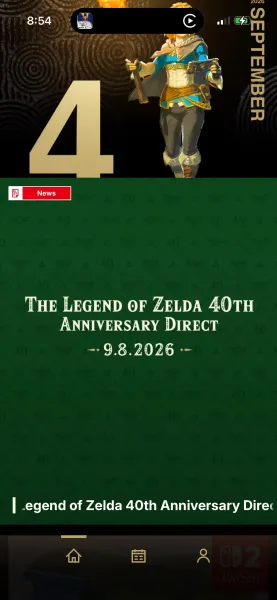
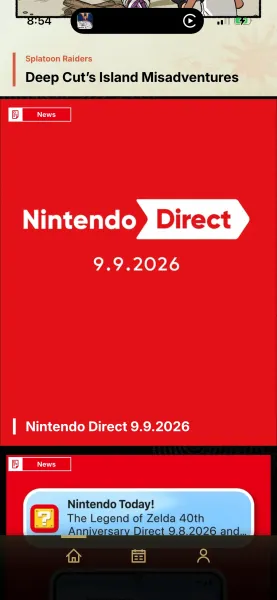
Apparently not to be outdone by PlayStation airing back-to-back State of Play presentations this week, Nintendo has announced two Direct broadcasts scheduled for next week. This includes a traditional Nintendo Direct and a special Direct celebrating The Legend of Zelda’s 40th anniversary.
The news was first announced on the Nintendo Today app. On Tuesday, September 8, The Legend of Zelda: 40th Anniversary Direct airs at 7:00 a.m. PT/10:00 a.m. ET. It will last approximately 30 minutes. Nintendo has not detailed what announcements to expect, but it’s fair to assume updates on The Legend of Zelda: Ocarina of Time remake and the live-action film The Legend of Zelda are on the table.
The next day, Wednesday, September 9, a standard Nintendo Direct airs at 7:00 a.m. PT/10:00 a.m. ET. This presentation will run for roughly 45 minutes. It’s anyone’s guess as to what to expect. Announced upcoming Nintendo first-party/Switch-exclusive projects, other than the aforementioned Ocarina of Time, include Fire Emblem: Fortune’s Weave, which launches on September 17, as well as Xenoblade Genesis and Pokémon Winds and Waves, both of which arrive next year. Nintendo has a penchant for announcing major projects with little to no prior hints or leaks, so it’s fair to expect just about anything could be showcased next week.
What announcements do you hope/expect to see at these Nintendo Directs? Let us know in the comments!